Did the Ancient State Exist?
Book Details
Format
Hardback
Book Series
Antiquity in Global Context
ISBN-10
1009854984
ISBN-13
9781009854986
Publisher
Cambridge University Press
Imprint
Cambridge University Press
Country of Manufacture
GB
Country of Publication
GB
Publication Date
Dec 31st, 2026
Print length
228 Pages
KSh 17,100.00
Not Yet Published
0 in stock
Delivery Location
Delivery fee: Select location
Secure
Quality
Fast
This book uses assemblage theory to offer an alternative approach for understanding political decision-making in early large collectives, illustrating the approach's utility with five case studies from around the world. This is a Flip it Open title and may be available open access on Cambridge Core.
Scholarly texts and the popular imagination often analogize the state as a person that is concrete and independent in its actions. This Leviathan, the state-as-person analogical framing, pervades our interpretations of the past. The framing is deeply misleading, both narrowing the possibilities of past governance for large-scale collectives and distorting our understanding of how important decisions were made. This book uses the assemblage approach and other related theories to develop an alternative framework that views these polities as dynamic assemblages of human and other-than-human agents brought together through ongoing projects of incorporation and coordination. Leaders try, and often fail, to shape these assemblages through their actions. Five case studies illustrate the benefits of this approach for understanding past politics—from Chaco Canyon, the Andean Wari, Shang China, Ilé-If?Ì in Nigeria, and ancient Athens. This is a Flip it Open title and may be available open access on Cambridge Core.
Get Did the Ancient State Exist? by Justin Jennings at the best price and quality guaranteed only at Werezi Africa's largest book ecommerce store. The book was published by Cambridge University Press and it has 228 pages.
Customers Who Bought This Also Bought
Agricola and the Germania
KSh 2,350.00

The History of the Kings of Britain
KSh 2,350.00
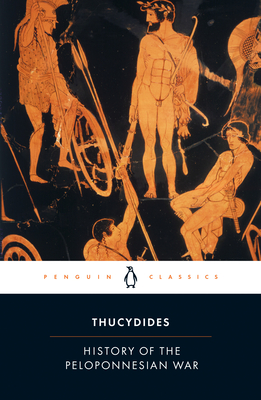
The History of the Peloponnesian War
KSh 2,700.00
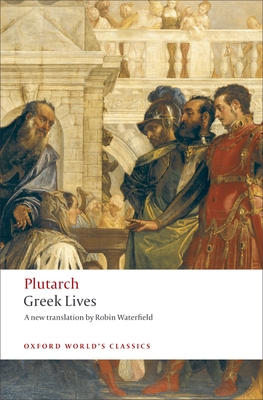
Greek Lives
KSh 2,150.00
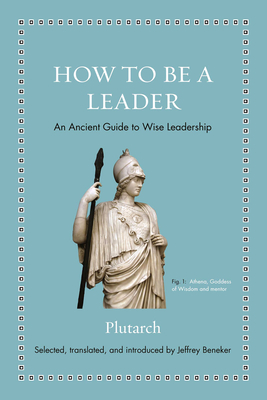
How to Be a Leader – An Ancient Guide to Wise Leadership
KSh 2,800.00
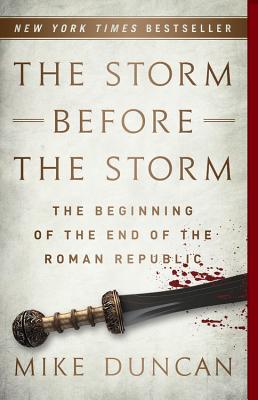
The Storm Before the Storm
KSh 3,050.00
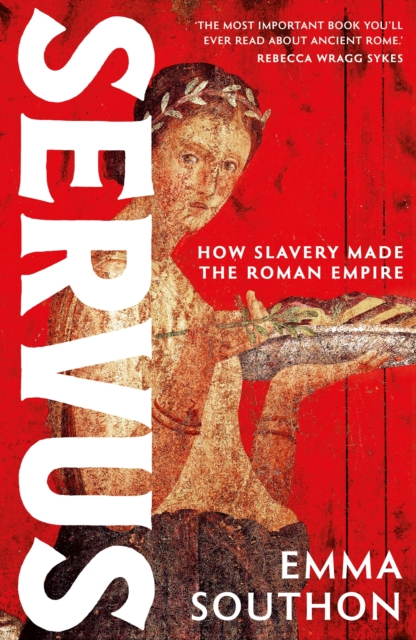
Servus
KSh 4,500.00
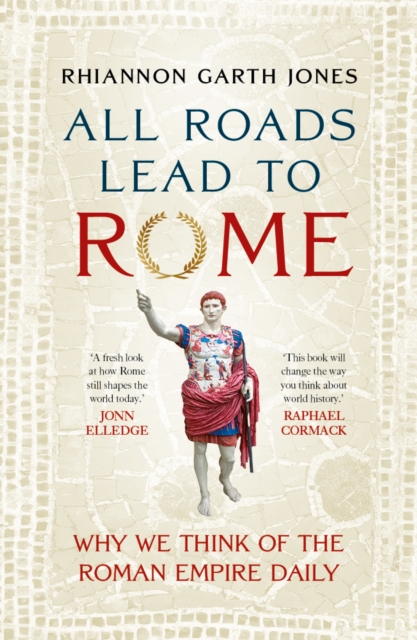
All Roads Lead to Rome
KSh 2,000.00
Decline and Fall of the Roman Empire
KSh 1,900.00
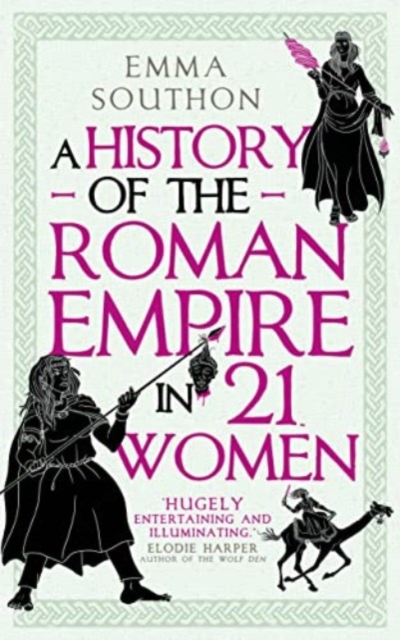
A History of the Roman Empire in 21 Women
KSh 2,150.00
Decline and Fall of the Roman Empire: Vols 4-6
KSh 10,850.00
The History of the Decline and Fall of the Roman Empire
KSh 4,500.00