
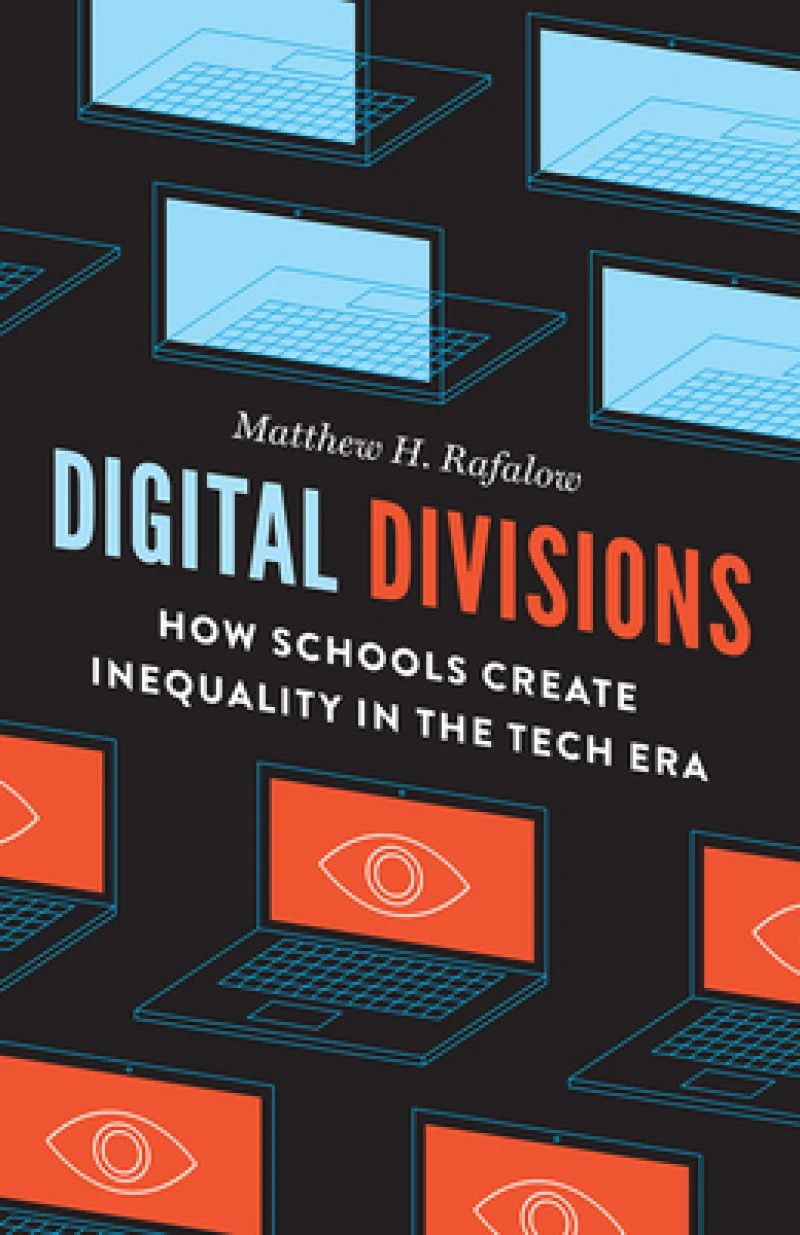
Digital Divisions : How Schools Create Inequality in the Tech Era
Book Details
Format
Paperback / Softback
ISBN-10
022672669X
ISBN-13
9780226726694
Publisher
The University of Chicago Press
Imprint
University of Chicago Press
Country of Manufacture
US
Country of Publication
GB
Publication Date
Aug 12th, 2020
Print length
224 Pages
Weight
292 grams
Dimensions
14.00 x 21.60 x 1.50 cms
Ksh 3,900.00
Werezi Extended Catalogue
Delivery in 14 days
1 copies in stock
Delivery Location
Delivery fee: Select location
Delivery in 14 days
Secure
Quality
Fast
In the digital age, schools are a central part of a nationwide effort to make access to technology more equitable, so that all young people, regardless of identity or background, have the opportunity to engage with the technologies that are essential to modern life. Most students, however, come to school with digital knowledge they’ve already acquired from the range of activities they participate in with peers online. Yet, teachers, as Matthew H. Rafalow reveals in Digital Divisions, interpret these technological skills very differently based on the race and class of their student body. While teachers praise affluent White students for being “innovative” when they bring preexisting and sometimes disruptive tech skills into their classrooms, less affluent students of color do not receive such recognition for the same behavior. Digital skills exhibited by middle class, Asian American students render them “hackers,” while the creative digital skills of working-class, Latinx students are either ignored or earn them labels troublemakers. Rafalow finds in his study of three California middle schools that students of all backgrounds use digital technology with sophistication and creativity, but only the teachers in the school serving predominantly White, affluent students help translate the digital skills students develop through their digital play into educational capital. Digital Divisions provides an in-depth look at how teachers operate as gatekeepers for students’ potential, reacting differently according to the race and class of their student body. As a result, Rafalow shows us that the digital divide is much more than a matter of access: it’s about how schools perceive the value of digital technology and then use them day-to-day.
Get Digital Divisions by at the best price and quality guaranteed only at Werezi Africa's largest book ecommerce store. The book was published by The University of Chicago Press and it has pages.

