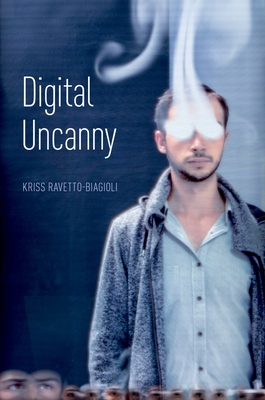
Digital Uncanny
Book Details
Format
Paperback / softback
ISBN-10
0190854006
ISBN-13
9780190854003
Publisher
Oxford University Press Inc
Imprint
Oxford University Press Inc
Country of Manufacture
US
Country of Publication
GB
Publication Date
Feb 21st, 2019
Print length
232 Pages
Weight
396 grams
Dimensions
15.80 x 23.50 x 1.70 cms
Product Classification:
Films, cinemaMedia studies
KSh 8,050.00
Currently unavailable
0 in stock
Delivery Location
Delivery fee: Select location
Secure
Quality
Fast
Through a close reading of interactive and experimental art works, this book explores how the digital uncanny unsettles concepts of "self," "affect," "feedback," and "aesthetic experience," forcing us to reflect on our relationship with computational media and by extension our relationship to each other and our experience of the world.
We are now confronted with a new type of uncanny experience, an uncanny evoked by parallel processing, aggregate data, and cloud-computing. The digital uncanny does not erase the uncanny feeling we experience as deja vu or when confronted with robots that are too lifelike. Today''s uncanny refers to how non-human devices (surveillance technologies, algorithms, feedback, and data flows) anticipate human gestures, emotions, actions, and interactions, thus intimating that we are but machines and that our behavior is predicable precisely because we are machinic. It adds another dimension to those feelings in which we question whether our responses are subjective or automated - automated as in reducing one''s subjectivity to patterns of data and using those patterns to present objects or ideas that would then elicit one''s genuinely subjective-yet effectively preset-response. In fact, this anticipation of our responses is a feedback loop that we humans have produced by designing software that can study our traces, inputs, and moves. In this sense one could say that the digital uncanny is a trick we play on ourselves, a trick that we would not be able to play had we not developed sophisticated digital technologies. Digital Uncanny explores how digital technologies, particularly software systems working through massive amounts of data, are transforming the meaning of the uncanny that Freud tied to a return of repressed memories, desires, and experiences to their anticipation. Through a close reading of interactive and experimental art works of Rafael Lozano-Hemmer, Bill Viola, Simon Biggs, Sue Hawksley, and Garth Paine, this book is designed to explore how the digital uncanny unsettles and estranges concepts of "self," "affect," "feedback" and "aesthetic experience," forcing us to reflect on our relationship with computational media and by extension our relationship to each other and our experience of the world.
Get Digital Uncanny by Kriss Ravetto-Biagioli at the best price and quality guaranteed only at Werezi Africa's largest book ecommerce store. The book was published by Oxford University Press Inc and it has 232 pages.
Customers Who Bought This Also Bought

Worthy
KSh 3,500.00

Angels And Demons
KSh 1,900.00

Thinking in Pictures
KSh 6,100.00

Reel to Real
KSh 4,500.00

Duke in His Domain
KSh 550.00

The Lord of the Rings Tarot and Guidebook
KSh 4,150.00
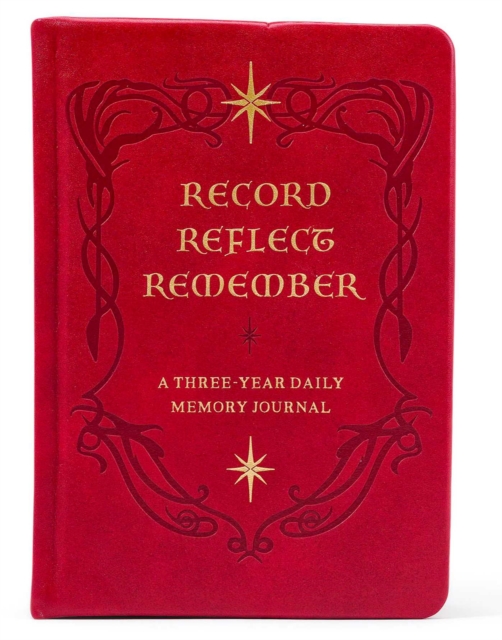
The Lord of the Rings Memory Journal
KSh 2,200.00

With Nails
KSh 2,000.00

Dark Matter
KSh 3,600.00

Marvel''s Black Panther - Script To Page
KSh 3,250.00

Warner Bros – The Making of an American Movie Studio
KSh 2,750.00

A Deadly Episode
KSh 3,950.00