

Digital Urbanism
Book Details
Format
Hardback
ISBN-10
1638401233
ISBN-13
9781638401230
Publisher
Actar Publishers
Imprint
Actar Publishers
Country of Manufacture
GB
Country of Publication
GB
Publication Date
Sep 1st, 2026
Print length
150 Pages
Product Classification:
Architectural structure & designArchitectural structure and design
KSh 5,400.00
Not Yet Published
0 in stock
Delivery Location
Delivery fee: Select location
Secure
Quality
Fast
Delve into the intriguing world of digital urban futures through discussions initiated at a series of engaging salons at MIT?s Leventhal Center for Advanced Urbanism, where experts from urban planning, filmmaking, virtual media, architecture, computer science, and activists explore, critique, and discuss the intersection of urbanism, technology, and design at a moment that AI is transforming the world.
Openly available generative AI and algorithmic models have increased exponentially in the last decade, and these tools have already become embedded in our daily lives. City governments, urban designers, and planners are increasingly grappling with how to use them to design resilient urban futures. Digital urban processes are transforming social and spatial dynamics, shifting urban boundaries, enabling important socioeconomic mobility and engendering political collective capacities. Technology has always played a role in the development of urban environments since the earliest civilizations, and at this moment of mass technological change it is essential to redefine the role of technologies in urban environments and Digital Urbanism will lead the way in addressing these radical shifts.
Digital Urbanism seeks to redefine the role of technology in the urban realm through a series of curated conversations on the future of technology in the urban realm where experts from urban planning, filmmaking, virtual media, architecture, computer science, and activists explore, critique, and discuss the intersection of urbanism, technology, and design. Five dinner conversations frame the dialog starting with the role of science fiction in creating new urban imaginaries, moving to a critique of technocentric urbanism, a discussion about the pedagogy needed for future professionals, then a focus on the evolving relations between climate research and computation, and finally the role of digital platforms and technology in urban environments and their ability strengthen civic engagement, public participation, and city services.
With Contributions of Sarah Williams, Nicholas de Monchaux, Roi Salgueiro Barrio, Garnette Cardogan, Katja Schechtner, Dietmar Offenhuber, Elizabeth Christoforetti, Will Hunter, Gautam Sundaram, John Fernandez, David Carroll, Nigel Jacobs, and Catherine D''Ignazio
Openly available generative AI and algorithmic models have increased exponentially in the last decade, and these tools have already become embedded in our daily lives. City governments, urban designers, and planners are increasingly grappling with how to use them to design resilient urban futures. Digital urban processes are transforming social and spatial dynamics, shifting urban boundaries, enabling important socioeconomic mobility and engendering political collective capacities. Technology has always played a role in the development of urban environments since the earliest civilizations, and at this moment of mass technological change it is essential to redefine the role of technologies in urban environments and Digital Urbanism will lead the way in addressing these radical shifts.
Digital Urbanism seeks to redefine the role of technology in the urban realm through a series of curated conversations on the future of technology in the urban realm where experts from urban planning, filmmaking, virtual media, architecture, computer science, and activists explore, critique, and discuss the intersection of urbanism, technology, and design. Five dinner conversations frame the dialog starting with the role of science fiction in creating new urban imaginaries, moving to a critique of technocentric urbanism, a discussion about the pedagogy needed for future professionals, then a focus on the evolving relations between climate research and computation, and finally the role of digital platforms and technology in urban environments and their ability strengthen civic engagement, public participation, and city services.
With Contributions of Sarah Williams, Nicholas de Monchaux, Roi Salgueiro Barrio, Garnette Cardogan, Katja Schechtner, Dietmar Offenhuber, Elizabeth Christoforetti, Will Hunter, Gautam Sundaram, John Fernandez, David Carroll, Nigel Jacobs, and Catherine D''Ignazio
Get Digital Urbanism by Sarah Williams at the best price and quality guaranteed only at Werezi Africa's largest book ecommerce store. The book was published by Actar Publishers and it has 150 pages.
Customers Who Bought This Also Bought

Architecture – Form, Space, & Order
KSh 8,700.00
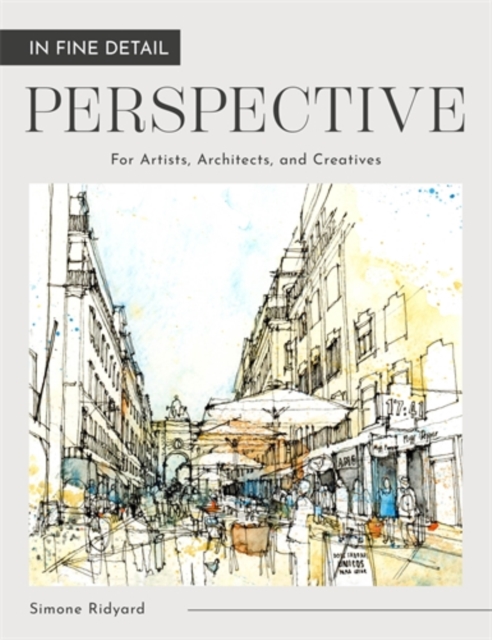
In Fine Detail: Perspective
KSh 3,700.00

Islamic Art and Architecture
KSh 3,600.00

Classical Architecture
KSh 8,700.00

The Sources of Modern Architecture and Design
KSh 3,400.00
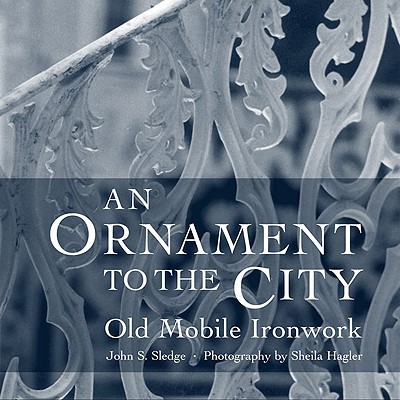
An Ornament to the City
KSh 10,450.00

Frank Lloyd Wright Designs
KSh 18,550.00
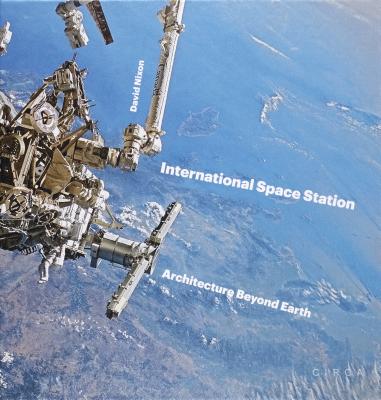
International Space Station
KSh 11,700.00

Colorful Cities
KSh 2,050.00
The Culture Factory
KSh 3,600.00
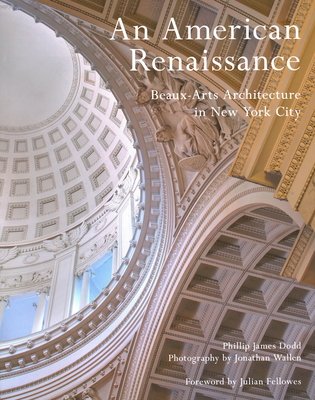
American Renaissance
KSh 18,700.00

Zürich Primer
KSh 8,900.00
