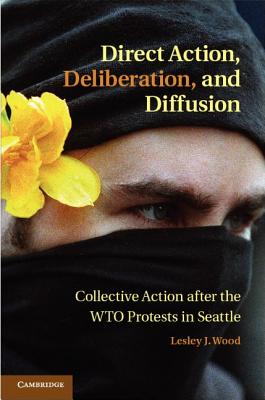
Direct Action, Deliberation, and Diffusion : Collective Action after the WTO Protests in Seattle
Book Details
Format
Hardback
Book Series
Cambridge Studies in Contentious Politics
ISBN-10
1107020719
ISBN-13
9781107020719
Publisher
Cambridge University Press
Imprint
Cambridge University Press
Country of Manufacture
US
Country of Publication
GB
Publication Date
Apr 30th, 2012
Print length
200 Pages
Weight
420 grams
Dimensions
23.00 x 15.80 x 1.90 cms
KSh 17,800.00
Currently unavailable
0 in stock
Delivery Location
Delivery fee: Select location
Secure
Quality
Fast
Why do new social movement tactics spread to some places and not others? Wood argues that inequalities rooted in political history, political economy and local interactions can make social movements more or less able to evaluate and incorporate new tactics.
What are the micro-level interactions and conversations that underlie successful and failed diffusion? By comparing the spread of direct action tactics from the 1999 Global Justice Movement protests against the World Trade Organization in Seattle to grassroots activists in Toronto and New York, Lesley Wood argues that dynamics of deliberation among local activists both aided and blocked diffusion. To analyze the localization of this cycle of protest, the research brings together rich ethnography, interviews, social network analysis and catalogs of protest events. The findings suggest that when diverse activists with different perspectives can discuss innovations in a reflexive, egalitarian manner, they are more likely to make strategic and meaningful choices.
Get Direct Action, Deliberation, and Diffusion by Lesley J. Wood at the best price and quality guaranteed only at Werezi Africa's largest book ecommerce store. The book was published by Cambridge University Press and it has 200 pages.
Customers Who Bought This Also Bought
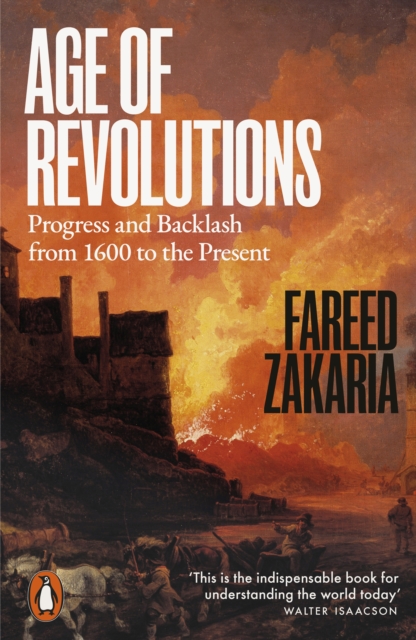
Age of Revolutions
KSh 2,350.00

How Civil Wars Start
KSh 2,000.00

Autobiography
KSh 2,350.00

The Origins of Political Order
KSh 2,700.00
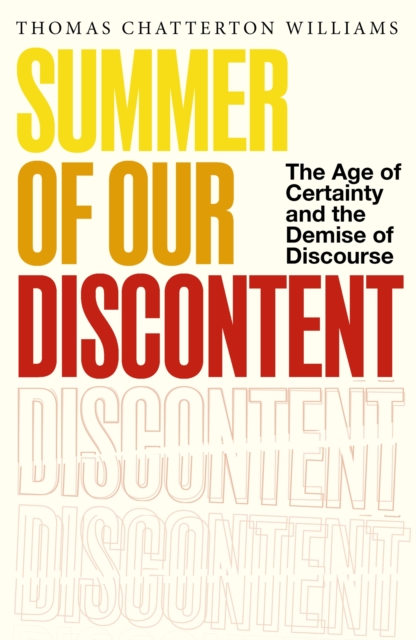
Summer of Our Discontent
KSh 4,500.00

Political Order and Political Decay
KSh 2,700.00

Great Power Diplomacy
KSh 5,400.00

Summer of Our Discontent
KSh 2,350.00

Narrow Corridor
KSh 2,350.00
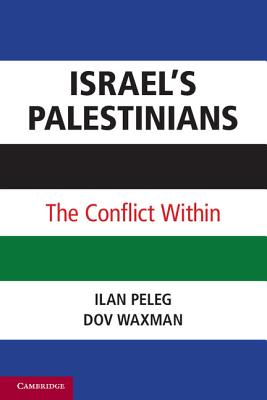
Israel’s Palestinians
KSh 4,700.00
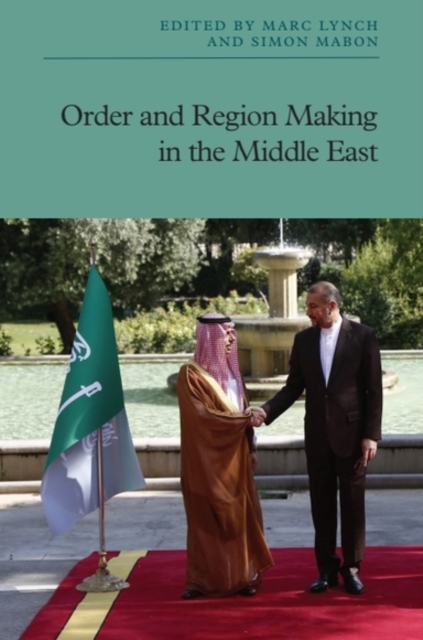
Order and Region Making in the Middle East
KSh 17,100.00
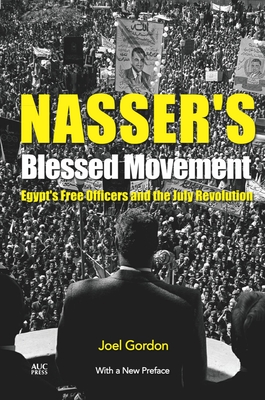
Nasser's Blessed Movement
KSh 3,400.00