
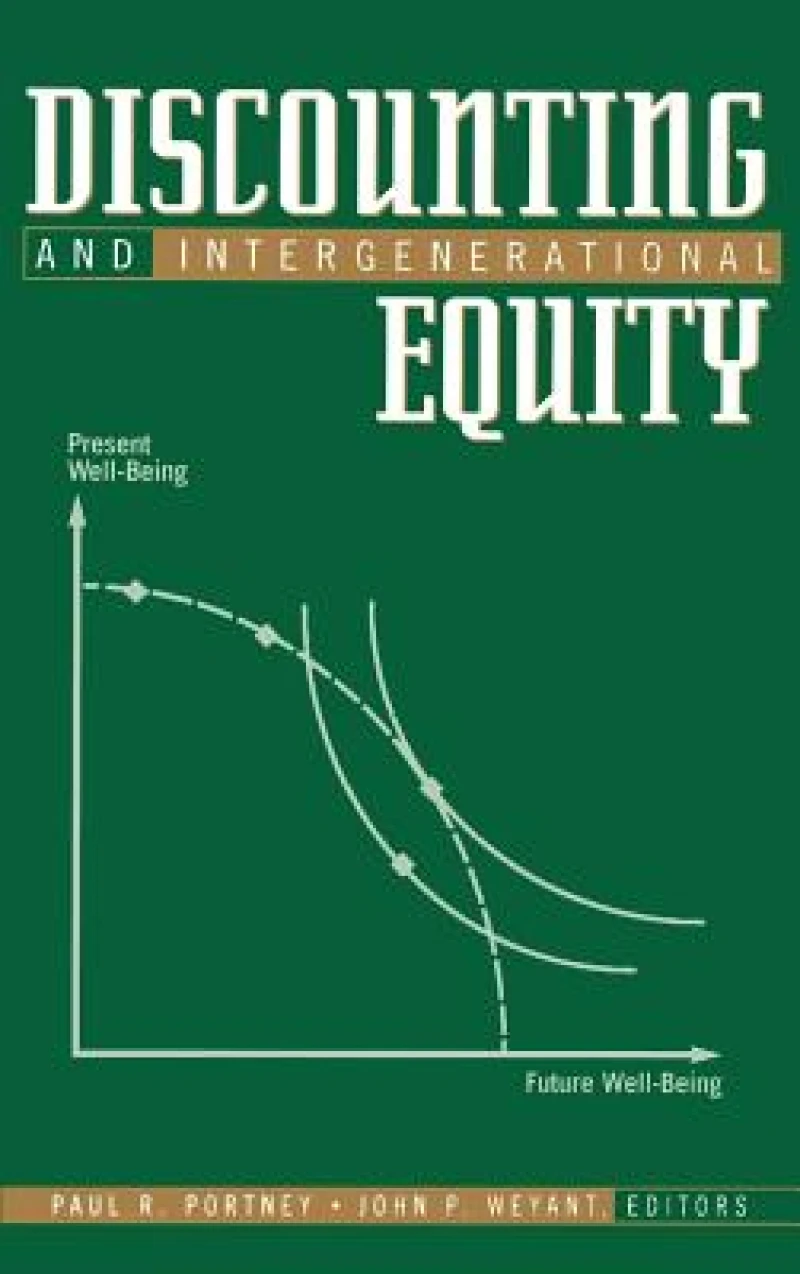
Discounting and Intergenerational Equity
Book Details
Format
Hardback or Cased Book
ISBN-10
0915707896
ISBN-13
9780915707898
Publisher
Taylor & Francis Inc
Imprint
Resources for the Future Press (RFF Press)
Country of Manufacture
GB
Country of Publication
GB
Publication Date
May 3rd, 1999
Print length
200 Pages
Weight
317 grams
Product Classification:
Environmental economicsEnvironmental economics
Ksh 30,950.00
Werezi Extended Catalogue
0 in stock
Delivery Location
Delivery fee: Select location
Secure
Quality
Fast
The full effects of decisions made about many environmental policies - including climate change and nuclear waste - may not be felt for many years. This book argues that methods reasonable for measuring gains and losses for a generation into the future may not be appropriate when applied to a longer span of time.
This landmark book argues that methods reasonable for measuring gains and losses for a generation into the future may not be appropriate when applied to a longer span of time. Paul Portney and John Weyant have assembled some of the world''s foremost economists to reconsider the purpose, ethical implications, and application of discounting in light of recent research and current policy concerns. First Published in 1999. Routledge is an imprint of Taylor & Francis, an informa company.
Get Discounting and Intergenerational Equity by at the best price and quality guaranteed only at Werezi Africa's largest book ecommerce store. The book was published by Taylor & Francis Inc and it has pages.

