
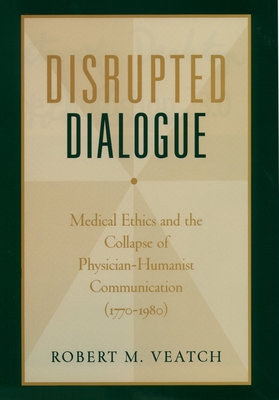
Disrupted Dialogue : Medical Ethics and the Collapse of Physician/Humanist Communication, 1770-1980
Book Details
Format
Hardback
ISBN-10
019516976X
ISBN-13
9780195169768
Publisher
Oxford University Press Inc
Imprint
Oxford University Press Inc
Country of Manufacture
GB
Country of Publication
GB
Publication Date
Oct 28th, 2004
Print length
344 Pages
Weight
626 grams
Dimensions
16.00 x 23.40 x 2.30 cms
Product Classification:
Medical ethics & professional conductPublic health & preventive medicineHistory of medicine
KSh 7,650.00
Temporarily out of stock, due soon
0 in stock
Delivery Location
Delivery fee: Select location
Secure
Quality
Fast
This book tells the critical story of how and why a breakdown in communication between physicians and humanists occurred two centuries ago and how it was repaired in three decades when developments in medicine together with a social revolution forced the leaders of these two fields to resume their dialogue.
Medical ethics changed dramatically in the past 30 years because physicians and humanists actively engaged each other in discussions that sometimes led to confrontation and controversy, but usually have improved the quality of medical decision-making. Before then medical ethics had been isolated for almost two centuries from the larger philosophical, social, and religious controversies of the time. There was, however, an earlier period where leaders in medicine and in the humanities worked closely together and both fields were richer for it.This volume begins with the 18th century Scottish Enlightenment when professors of medicine such as John Gregory, Edward Percival, and the American, Benjamin Rush, were close friends of philosophers like David Hume, Adam Smith, and Thomas Reid. They continually exchanged views on matters of ethics with each other in print, at meetings of elite intellectual groups, and at the dinner table. Then something happened, physicians and humanists quit talking with each other. In searching for the causes of the collapse, this book identifies shifts in the social class of physicians, developments in medical science, and changes in the patterns of medical education. Only in the past three decades has the dialogue resumed as physicians turned to humanists for help just when humanists wanted their work to be relevant to real-life social problems. Again, the book asks why, finding answers in the shift from acute to chronic disease as the dominant pattern of illness, the social rights revolution of the 1960''s, and the increasing dissonance between physician ethics and ethics outside medicine. The book tells the critical story of how the breakdown in communication between physicians and humanists occurred and how it was repaired when new developments in medicine together with a social revolution forced the leaders of these two fields to resume their dialogue.
Get Disrupted Dialogue by Robert M. Veatch at the best price and quality guaranteed only at Werezi Africa's largest book ecommerce store. The book was published by Oxford University Press Inc and it has 344 pages.
Customers Who Bought This Also Bought
The Case against Perfection – Ethics in the Age of Genetic Engineering
KSh 3,400.00

Care Detained
KSh 30,950.00

Legal and Ethical Essentials of Health Care Administration
KSh 13,550.00

The Biopolitics and Bioethics of Health Pseudoscience
KSh 30,950.00

Care Detained
KSh 7,900.00

A Theory of Death
KSh 11,900.00
Medical Ethics and the Faith Factor
KSh 6,650.00
Babies for Sale?
KSh 4,700.00

Das Bahá‘ítum und die Medizin
KSh 12,800.00
Phenomenology of Bioethics
KSh 18,000.00
Arguing Euthanasia
KSh 3,250.00

Burdened Agency
KSh 7,750.00
More by Robert M. Veatch
Defining Death
KSh 8,650.00
Transplantation Ethics
KSh 6,700.00
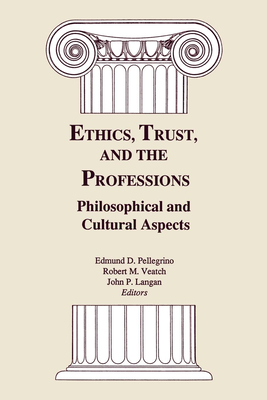
Ethics, Trust, and the Professions
KSh 8,650.00
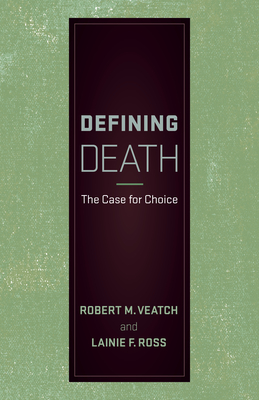
Defining Death
KSh 25,900.00
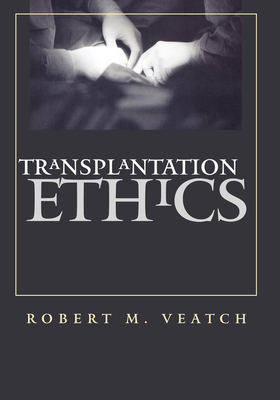
Transplantation Ethics
KSh 8,700.00
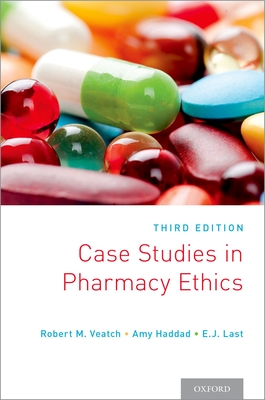
Case Studies in Pharmacy Ethics
KSh 9,100.00
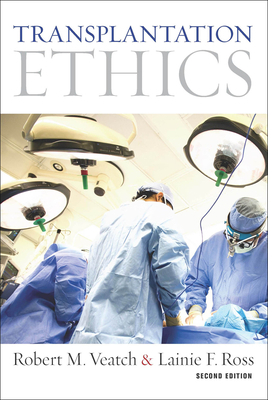
Transplantation Ethics
KSh 18,550.00
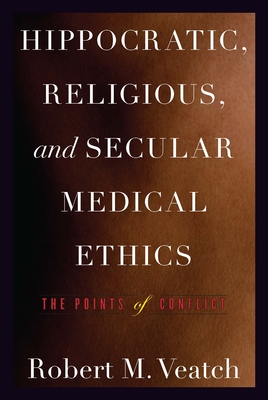
Hippocratic, Religious, and Secular Medical Ethics
KSh 8,650.00
More in This Genre
The Case against Perfection – Ethics in the Age of Genetic Engineering
KSh 3,400.00
Care Detained
KSh 30,950.00
Legal and Ethical Essentials of Health Care Administration
KSh 13,550.00
The Biopolitics and Bioethics of Health Pseudoscience
KSh 30,950.00
Care Detained
KSh 7,900.00
A Theory of Death
KSh 11,900.00
