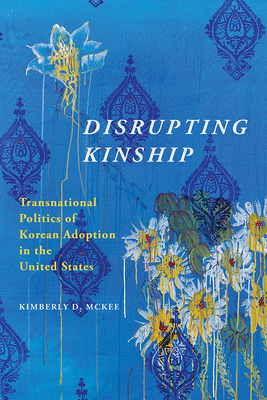
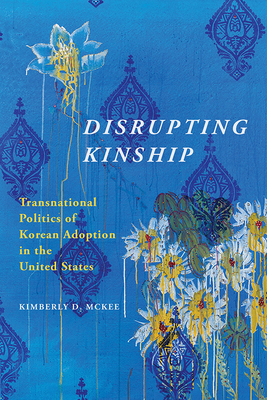
Disrupting Kinship : Transnational Politics of Korean Adoption in the United States
Book Details
Format
Hardback
Book Series
Asian American Experience
ISBN-10
025204228X
ISBN-13
9780252042287
Publisher
University of Illinois Press
Imprint
University of Illinois Press
Country of Manufacture
US
Country of Publication
GB
Publication Date
Mar 2nd, 2019
Print length
250 Pages
Weight
481 grams
Dimensions
22.90 x 15.20 x 2.30 cms
KSh 15,850.00
Currently unavailable
0 in stock
Delivery Location
Delivery fee: Select location
Secure
Quality
Fast
Since the Korean War began, Western families have adopted more than 200,000 Korean children. Two-thirds of these adoptees found homes in the United States. The majority joined white families and in the process forged a new kind of transnational and transracial kinship. Kimberly D. McKee examines the growth of the neocolonial, multi-million-dollar global industry that shaped these families-a system she identifies as the transnational adoption industrial complex. As she shows, an alliance of the South Korean welfare state, orphanages, adoption agencies, and American immigration laws powered transnational adoption between the two countries. Adoption became a tool to supplement an inadequate social safety net for South Korea's unwed mothers and low-income families. At the same time, it commodified children, building a market that allowed Americans to create families at the expense of loving, biological ties between Koreans. McKee also looks at how Christian Americanism, South Korean welfare policy, and other facets of adoption interact with and disrupt American perceptions of nation, citizenship, belonging, family, and ethnic identity.
Get Disrupting Kinship by Kimberly D. McKee at the best price and quality guaranteed only at Werezi Africa's largest book ecommerce store. The book was published by University of Illinois Press and it has 250 pages.
Customers Who Bought This Also Bought

The Finest Hotel in Kabul
KSh 2,150.00

Black Wave
KSh 2,700.00

Migrations
KSh 5,450.00

Art of War / The Book of Lord Shang
KSh 1,100.00

Nexus
KSh 2,350.00

World According to Colour
KSh 2,700.00

Crusade for Justice – The Autobiography of Ida B. Wells, Second Edition
KSh 4,050.00

Modern Classics Road To Wigan Pier
KSh 1,800.00

The Origins of Totalitarianism
KSh 2,700.00
In the Wake
KSh 3,600.00
Question of Palestine
KSh 2,700.00

Palestine
KSh 2,400.00