

Dissonant Records : Close Listening to Literary Archives
Book Details
Format
Paperback / softback
ISBN-10
0262548720
ISBN-13
9780262548724
Publisher
MIT Press Ltd
Imprint
MIT Press
Country of Manufacture
GB
Country of Publication
GB
Publication Date
Aug 6th, 2024
Print length
240 Pages
Weight
300 grams
Dimensions
22.80 x 15.40 x 1.90 cms
Product Classification:
Society and culture: generalSociety & culture: general
KSh 7,750.00
Werezi Extended Catalogue
Delivery in 12 days
2 copies in stock
Delivery Location
Delivery fee: Select location
Delivery in 12 days
Secure
Quality
Fast
How archives obscure recorded media—and the case in favor of discovering them.
Silence is not absence. It may be perceived as meaningless, or it may not be perceived at all, but it takes up space. In Dissonant Records, Tanya Clement makes the case for spoken word audio recordings within the archives. She explains why we tend to not use these audio recordings in research, what silences exist in the cultural record, and what difference it makes when we start to listen. From recordings of the survivors of the 1921 Tulsa Massacre to Anne Sexton’s recorded therapy sessions, Clement illustrates the myriad ways in which our current use of archives precludes the use of invaluable recorded texts.
Whom, what, and how are we not studying in our cultural histories? Why, Clement asks, do audio recordings typically garner little interest? This book dissects the institutional and disciplinary blockades that discourage the use of spoken word audio recordings in research and teaching while interrogating how institutions and researchers can be selectively biased in favor of print and against the seemingly more ephemeral, time-based objects of our archives. History-making is a messy, sociotechnical process, the author explains, and our understanding of culture can only be made better when we listen more closely to the noise.
Silence is not absence. It may be perceived as meaningless, or it may not be perceived at all, but it takes up space. In Dissonant Records, Tanya Clement makes the case for spoken word audio recordings within the archives. She explains why we tend to not use these audio recordings in research, what silences exist in the cultural record, and what difference it makes when we start to listen. From recordings of the survivors of the 1921 Tulsa Massacre to Anne Sexton’s recorded therapy sessions, Clement illustrates the myriad ways in which our current use of archives precludes the use of invaluable recorded texts.
Whom, what, and how are we not studying in our cultural histories? Why, Clement asks, do audio recordings typically garner little interest? This book dissects the institutional and disciplinary blockades that discourage the use of spoken word audio recordings in research and teaching while interrogating how institutions and researchers can be selectively biased in favor of print and against the seemingly more ephemeral, time-based objects of our archives. History-making is a messy, sociotechnical process, the author explains, and our understanding of culture can only be made better when we listen more closely to the noise.
Get Dissonant Records by Tanya E. Clement at the best price and quality guaranteed only at Werezi Africa's largest book ecommerce store. The book was published by MIT Press Ltd and it has 240 pages.
Customers Who Bought This Also Bought

Africa Dances
KSh 2,700.00
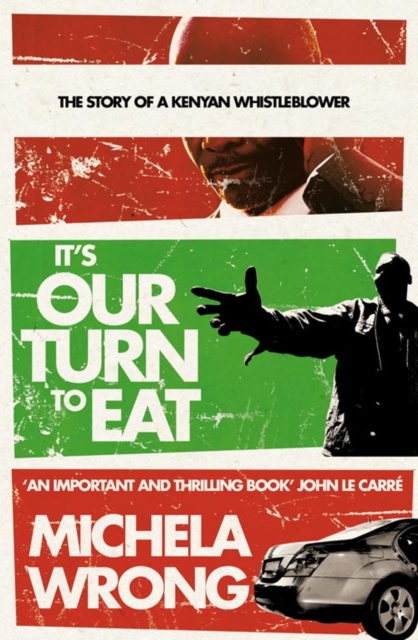
Its Our Turn to Eat
KSh 2,350.00

Stranger Faces
KSh 2,500.00
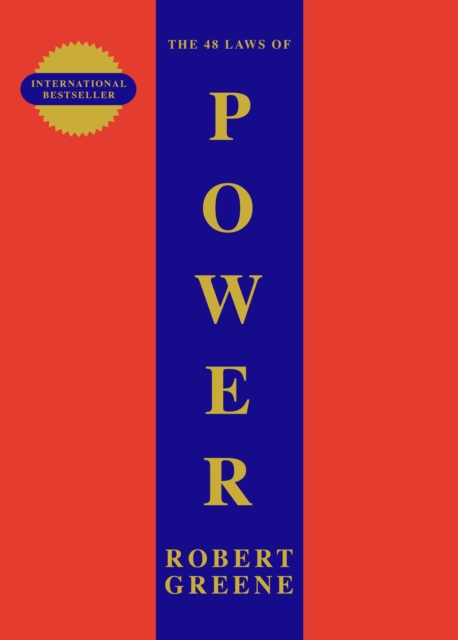
The 48 Laws Of Power
KSh 3,600.00

Wild Seed
KSh 2,350.00

Patternmaster
KSh 2,350.00

Clay's Ark
KSh 2,350.00
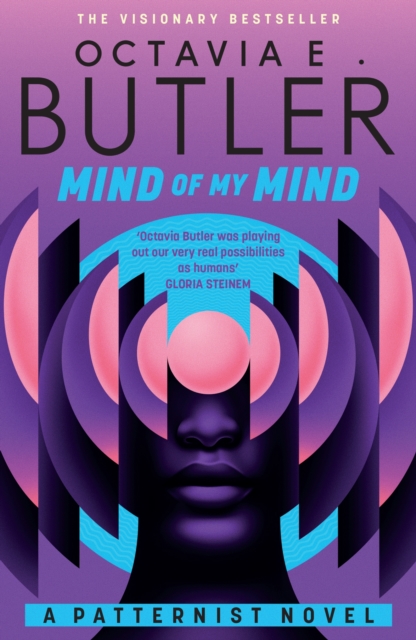
Mind of My Mind
KSh 2,350.00

Clay''s Ark
KSh 2,000.00

Mind of My Mind
KSh 2,000.00

Biased
KSh 2,150.00
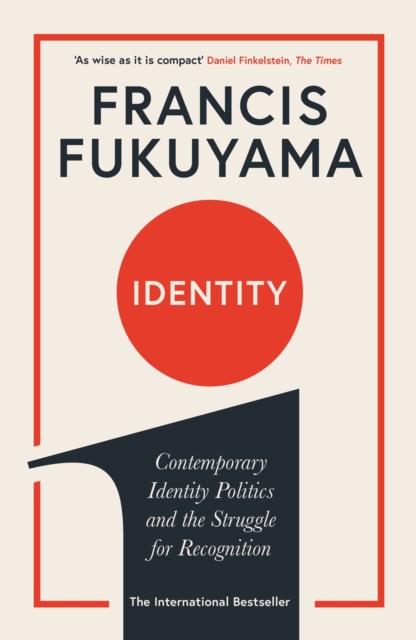
Identity
KSh 2,150.00
