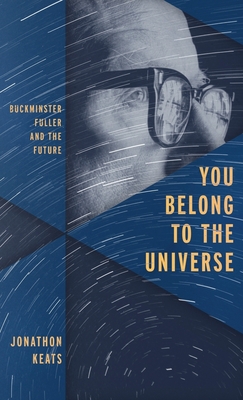
Distant Early Warning Systems : From the Cold War to the Cosmos
Book Details
Format
Hardback
ISBN-10
3777443190
ISBN-13
9783777443195
Publisher
Hirmer Verlag
Imprint
Hirmer Verlag
Country of Manufacture
GB
Country of Publication
GB
Publication Date
Apr 3rd, 2025
Print length
272 Pages
Weight
1,008 grams
Dimensions
23.70 x 18.60 x 2.90 cms
KSh 7,550.00
Temporarily out of stock, due soon
0 in stock
Delivery Location
Delivery fee: Select location
Secure
Quality
Fast
Art, climate change and geopolitics at a time of rapid social and technological change. The Distant Early Warning Line, also known as the DEW Line, was a system of radar stations in the northern Arctic region of Canada, with additional stations along the north coast and Aleutian Islands of Alaska and the Faroe Islands, Greenland and Iceland. It intended to detect incoming bombers of the Soviet Union during the Cold War and provide early warning of any sea and land invasion. Today, the Arctic is seen as a place primed for data storage and vaults – doomsday structures with a utilitarian vernacular of architecture, protecting the “knowledge” of places further south rather than recognising the local presence and expertise of place and Indigenous lifeways and Indigenous science. This book looks at the role of artists as early warning systems and explores the ways we connect and disconnect place and people through technology and the ideas of boundaries. With the DEW Line as a framework, Julie Decker examines ideologies of warning. The DEW Line is a symbol of both past and future. Today, we think about planetary boundaries, the boundaries of survival and other human limits.
Get Distant Early Warning Systems by Ian Hartman, Jonathon Keats at the best price and quality guaranteed only at Werezi Africa's largest book ecommerce store. The book was published by Hirmer Verlag and it has 272 pages.
Customers Who Bought This Also Bought

Bring No Clothes
KSh 2,350.00

Art and knowledge after 1900
KSh 6,000.00

Art and knowledge after 1900
KSh 15,300.00

What Is It That Will Last?
KSh 8,500.00
Slow Art – The Experience of Looking, Sacred Images to James Turrell
KSh 4,750.00
Diary of Frida Kahlo
KSh 4,550.00

So Much Longing in So Little Space
KSh 3,050.00
The Man Who Stole the Gods
KSh 3,600.00

Artists and Their Cats
KSh 2,350.00
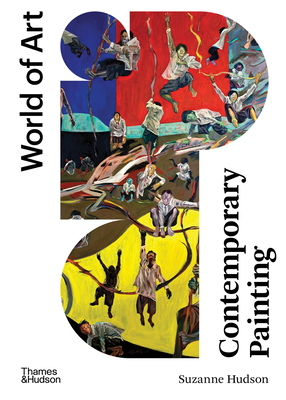
Contemporary Painting
KSh 3,600.00
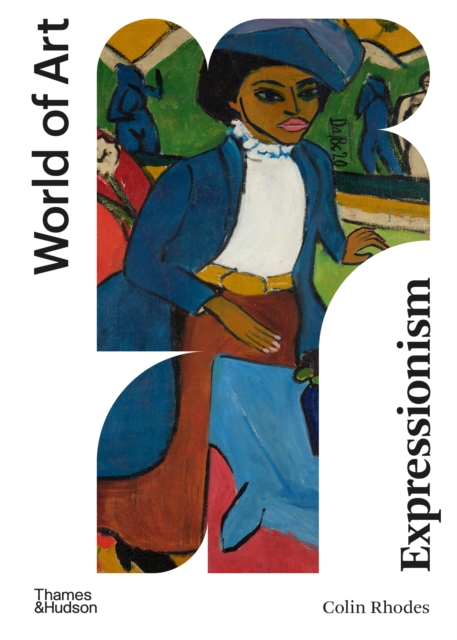
Expressionism
KSh 3,400.00
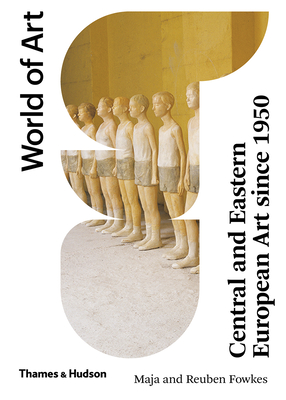
Central and Eastern European Art Since 1950
KSh 3,050.00