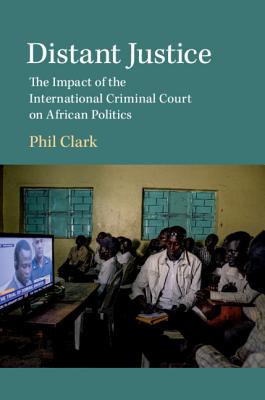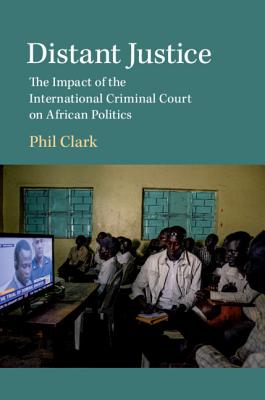
Distant Justice : The Impact of the International Criminal Court on African Politics
by
Phil Clark
Book Details
Format
Paperback / softback
ISBN-10
1108463371
ISBN-13
9781108463379
Publisher
Cambridge University Press
Imprint
Cambridge University Press
Country of Manufacture
GB
Country of Publication
GB
Publication Date
Nov 8th, 2018
Print length
392 Pages
Weight
568 grams
Dimensions
15.50 x 22.80 x 2.60 cms
Product Classification:
Political science & theoryPolitical science and theoryConstitution: government & the stateConstitution: government and the stateCentral / national / federal government policiesCentral government policiesPolitical control and freedomsHuman rightsHuman rights, civil rightsPolitical campaigning & advertisingPropagandaPolitical campaigning and advertising
KSh 6,500.00
Currently unavailable
0 in stock
Delivery Location
Delivery fee: Select location
Secure
Quality
Fast
The International Criminal Court's (ICC) focus on African suspects and societies in its first 16 years of operation has stirred widespread controversy. Based on 650 interviews over 11 years, this book analyses the ICC's regional, national and community-level effects across Africa.
There are a number of controversies surrounding the International Criminal Court (ICC) in Africa. Critics have charged it with neo-colonial meddling in African affairs, accusing it of undermining national sovereignty and domestic attempts to resolve armed conflict. Here, based on 650 interviews over 11 years, Phil Clark critically assesses the politics of the ICC in Uganda and the Democratic Republic of Congo, focusing particularly on the Court's multi-level impact on national politics and the lives of everyday citizens. He explores the ICC's effects on peace negotiations, national elections, domestic judicial reform, amnesty processes, combatant demobilisation and community-level accountability and reconciliation. In attempting to distance itself from African conflict zones geographically, philosophically and procedurally, Clark also reveals that the ICC has become more politicised and damaging to African polities, requiring a substantial rethink of the approaches and ideas that underpin the ICC's practice of distant justice.
Get Distant Justice by Phil Clark at the best price and quality guaranteed only at Werezi Africa's largest book ecommerce store. The book was published by Cambridge University Press and it has 392 pages.
Customers Who Bought This Also Bought
Message
KSh 3,400.00
Corruptible
KSh 2,350.00
On War
KSh 1,200.00

Abundance
KSh 2,150.00
The Republic
KSh 2,350.00
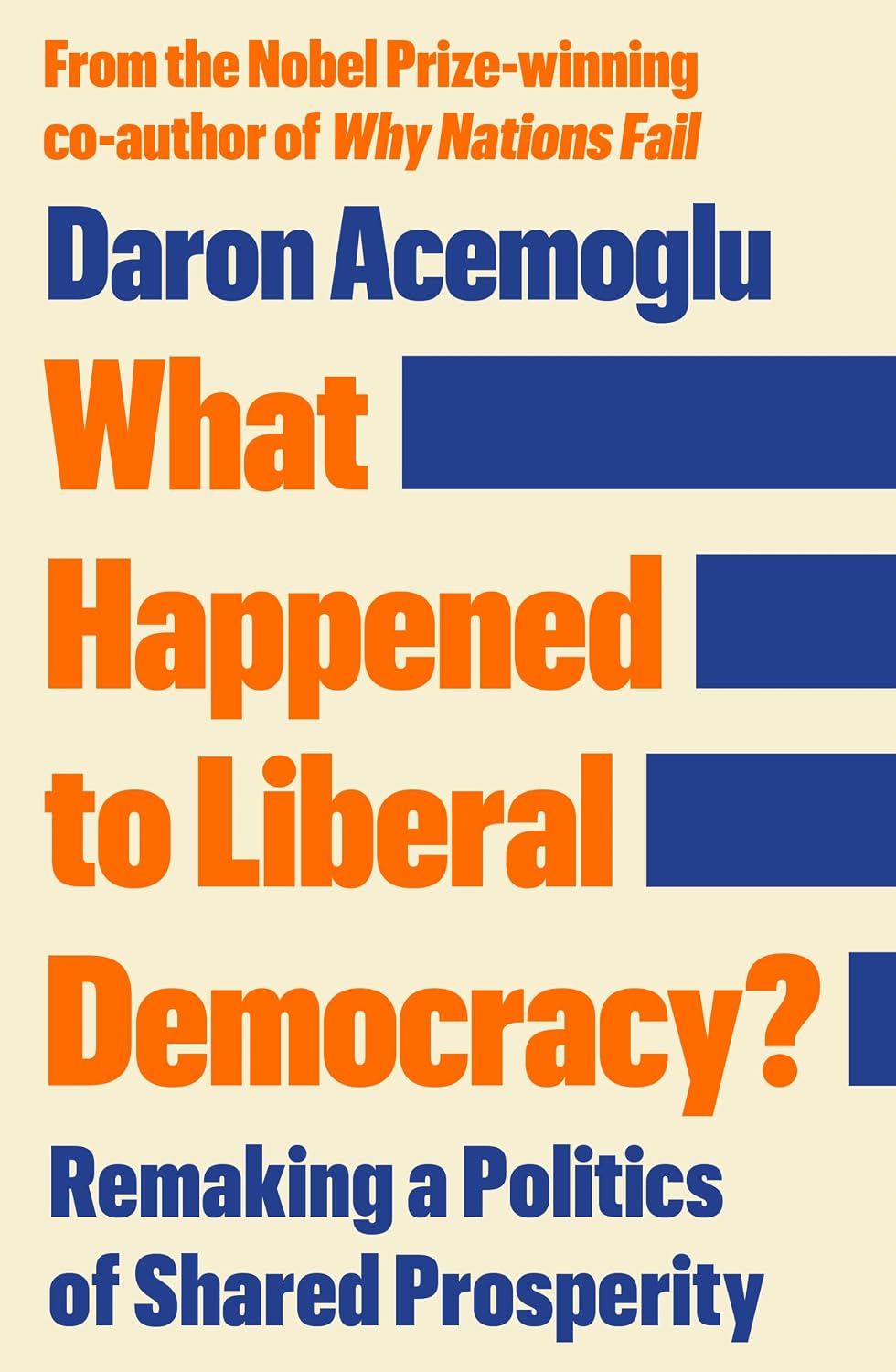
What Happened to Liberal Democracy?
KSh 3,050.00
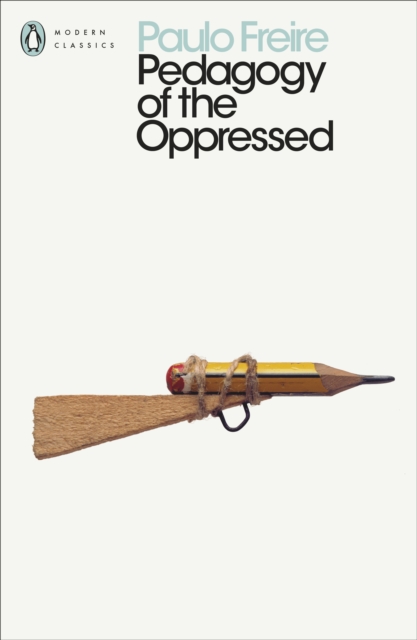
Pedagogy of the Oppressed
KSh 2,000.00

Great Ideas Social Contract
KSh 1,450.00

Fire Next Time; Nobody Knows My Name ; No Name In The Street; The Devil Finds Work
KSh 3,400.00
The Body Politic
KSh 700.00
The Prince The Original Classic
KSh 2,150.00
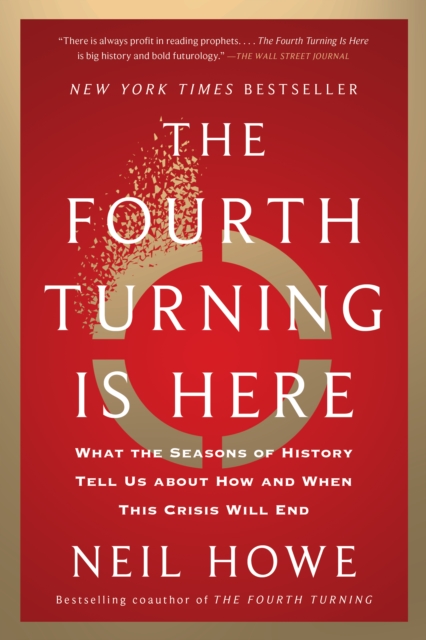
The Fourth Turning Is Here
KSh 2,600.00