

Divination Engines : Natural Language Processing, Artificial Intelligence, and the Making of Algorithmic Culture
by
Xiaochang Li
Book Details
Format
Hardback
ISBN-10
0226837017
ISBN-13
9780226837017
Publisher
The University of Chicago Press
Imprint
University of Chicago Press
Country of Manufacture
GB
Country of Publication
GB
Publication Date
Aug 18th, 2026
Print length
320 Pages
Weight
481 grams
Dimensions
21.60 x 14.00 x 2.50 cms
Product Classification:
History of engineering & technologyHistory of engineering and technologyDigital and Information technology: general topicsInformation technology: general issuesArtificial intelligenceArtificial intelligence (AI)Natural language & machine translationNatural language and machine translation
KSh 4,150.00
Temporarily out of stock, due soon
0 in stock
Delivery Location
Delivery fee: Select location
Secure
Quality
Fast
A revealing and surprising origin story, showing how attempts to render human speech and language computable led from the era of big data to today’s AI. Since the advent of computers, society has fantasized about conversing with machines. In this eye-opening book, technology expert Xiaochang Li shows readers how that dream both fueled the demand for data and set the stage for today’s generative AI. With original research and clear explanations, Li elucidates the origins of what’s known as natural language processing (NLP) and the heated twentieth-century debates between computer scientists, linguists, and communication engineers that shaped today’s technology. Starting with early devices that recorded, analyzed, and attempted to interpret human speech, she demonstrates how computer speech recognition, particularly efforts led by Bell Labs and IBM, advanced technology by deemphasizing linguistic meaning in favor of statistical prediction. In other words, researchers gradually abandoned systems that sought to understand human language, opting instead for work-arounds that simply predicted patterns in speech and text data. That solution became incredibly and surprisingly adaptable. As Li reveals, transforming linguistic questions into engineering ones ushered in the routine operation of search engines, spam filters, and the varied content sorting and recommendation mechanisms that regulate the access, circulation, and legitimacy of information across every platform. But this has all come at the cost of forever requiring copious and ever-growing amounts of new data. At its core, Divination Engines illuminates how the artifacts of human communication—speech, text, and images—have become both the fodder for and products of computers. This connection between communication and computation, Li shows, has given rise to data-driven analytics, machine learning, and today’s algorithmic culture.
Get Divination Engines by Xiaochang Li at the best price and quality guaranteed only at Werezi Africa's largest book ecommerce store. The book was published by The University of Chicago Press and it has 320 pages.
Customers Who Bought This Also Bought

Breakneck
KSh 4,500.00

Bomber Mafia
KSh 2,350.00

Elon Musk
KSh 2,350.00

Train Book
KSh 6,200.00
Agriculture in Egypt, From Pharaonic to Modern Times
KSh 19,900.00

British Railways Past and Present Volume 8: Devon
KSh 3,250.00

The Paignton and Dartmouth Steam Railway
KSh 2,900.00
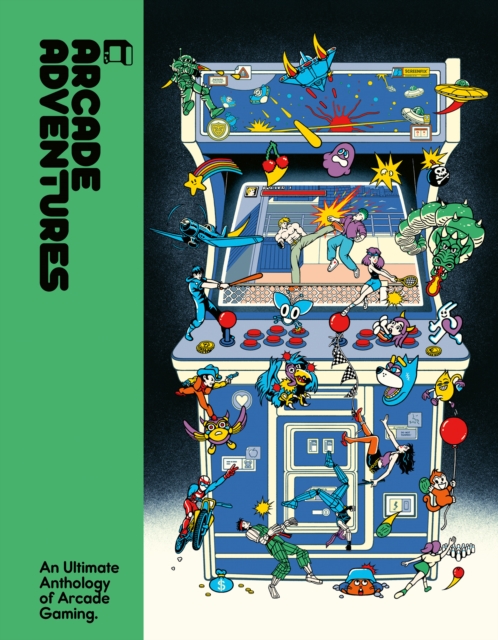
Arcade Adventures
KSh 6,300.00

Superbloom – How Technologies of Connection Tear Us Apart
KSh 3,600.00

The Art and Science of the Flowsheet
KSh 28,800.00

Velocipedomania – A Cultural History of the Velocipede in France
KSh 11,350.00

Gamers 2
KSh 2,950.00
