

Drawing Lots : From Egalitarianism to Democracy in Ancient Greece
Book Details
Format
Hardback
ISBN-10
0197753477
ISBN-13
9780197753477
Publisher
Oxford University Press Inc
Imprint
Oxford University Press Inc
Country of Manufacture
GB
Country of Publication
GB
Publication Date
Aug 29th, 2024
Print length
536 Pages
Weight
938 grams
Dimensions
24.30 x 16.90 x 11.60 cms
Product Classification:
Ancient history: to c 500 CEAncient religions & mythologiesPolitical structures / systems: democracyPolitical structures: democracyRoman lawSystems of law: Roman lawAncient historyIndigenous peoples in the Americas: religions, belief systems, cultural worldviews and spiritual beliefs
KSh 20,050.00
Manufactured on Demand
Delivery in 49 days
4 copies in stock
Delivery Location
Delivery fee: Select location
Delivery in 49 days
Secure
Quality
Fast
For the first time, this volume by two leading historians offers a comprehensive study of drawing lots as a central institution of ancient Greek society. Drawing lots expressed an egalitarian mindset that guided selection, procedure, and distribution by lot and was eventually introduced for polis governance, a Greek innovation that appears to be of increasing relevance today. The authors explore the egalitarian, "horizonal," mindset expressed in using the lot instead of a top-down vision of authority and sovereignty. Drawing lots presupposed equality among participants deserving equal "portions" and was used for distributing land, inheritance, booty, sacrificial meat, selecting individuals, setting turns, mixing and reorganizing groups, and divining the will of the gods. Lot-oracles were used for divination; otherwise, the gods guarded the justice of the procedure but only rarely determined the outcome. It was a self-evident method broadly and ubiquitously applied. Drawing lots would crystallize community boundaries and emphasize its sovereignty. The book further investigates the transposition of the drawing of lots to the governance of the polis. The implied egalitarianism of the lot often conflicted with top-down perceptions of society and the values of inequality, status, and merit. Drawing lots was introduced into oligarchies and democracies at an uneven pace and scale. Its wide use in the democracy of classical Athens was an exceptional case, eye-catching both in antiquity and today. The book concludes with a discussion about the meaning of the Greek examples for drawing lots today and the increasing interest in using random selection in politics as a possibility for modern democracies around the world. The appendix surveys the Greek vocabulary of lottery practices.
Get Drawing Lots by Irad Malkin, Josine Blok at the best price and quality guaranteed only at Werezi Africa's largest book ecommerce store. The book was published by Oxford University Press Inc and it has 536 pages.
Customers Who Bought This Also Bought
Agricola and the Germania
KSh 2,350.00

The History of the Kings of Britain
KSh 2,350.00
The History of the Peloponnesian War
KSh 2,700.00
Greek Lives
KSh 2,150.00
How to Be a Leader – An Ancient Guide to Wise Leadership
KSh 2,800.00

The Storm Before the Storm
KSh 3,050.00
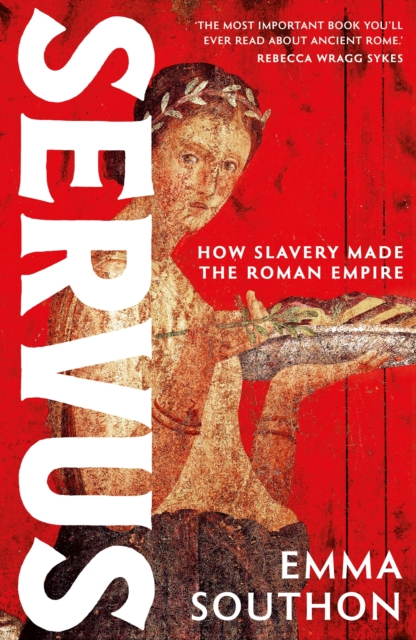
Servus
KSh 4,500.00
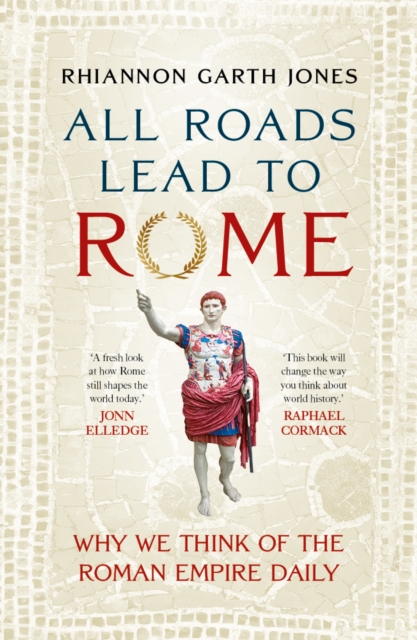
All Roads Lead to Rome
KSh 2,000.00
Decline and Fall of the Roman Empire
KSh 1,900.00
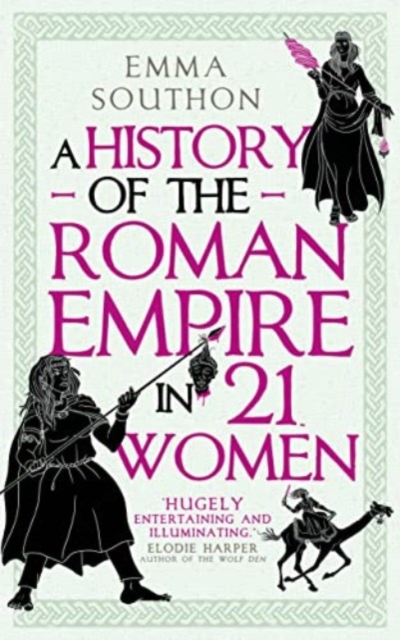
A History of the Roman Empire in 21 Women
KSh 2,150.00
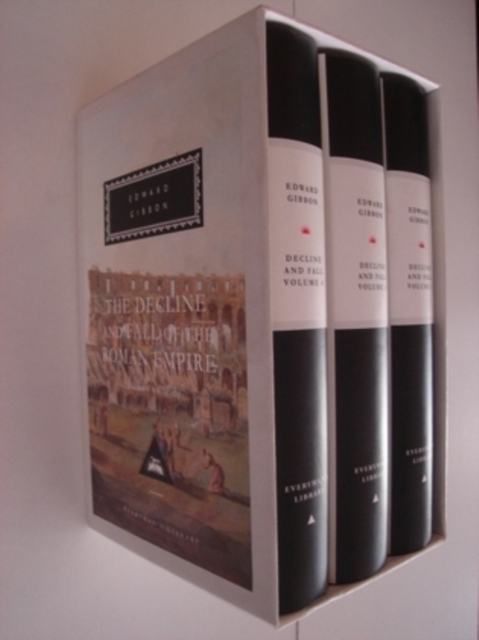
Decline and Fall of the Roman Empire: Vols 4-6
KSh 10,850.00
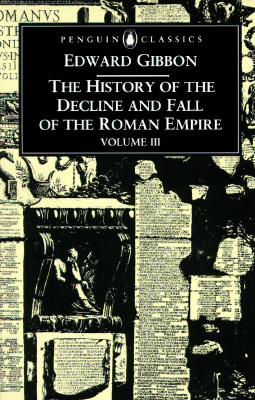
The History of the Decline and Fall of the Roman Empire
KSh 4,500.00
More by Irad Malkin, Josine Blok

Conducting Personal Network Research
KSh 8,250.00
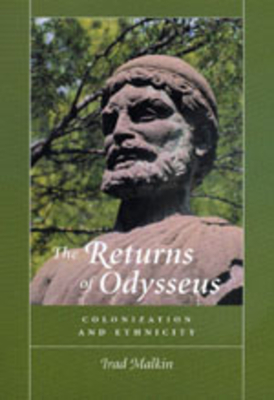
The Returns of Odysseus
KSh 10,450.00

Mediterranean Cities
KSh 30,950.00
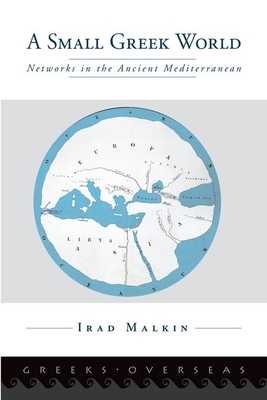
A Small Greek World
KSh 9,400.00
Mediterranean Cities
KSh 9,350.00
Mediterranean Paradigms and Classical Antiquity
KSh 9,200.00
Citizenship in Classical Athens
KSh 18,350.00

Myth and Territory in the Spartan Mediterranean
KSh 15,300.00
A Small Greek World
KSh 20,400.00
Myth and Territory in the Spartan Mediterranean
KSh 7,300.00
Mediterranean Paradigms and Classical Antiquity
KSh 30,950.00
Citizenship in Classical Athens
KSh 6,400.00
