
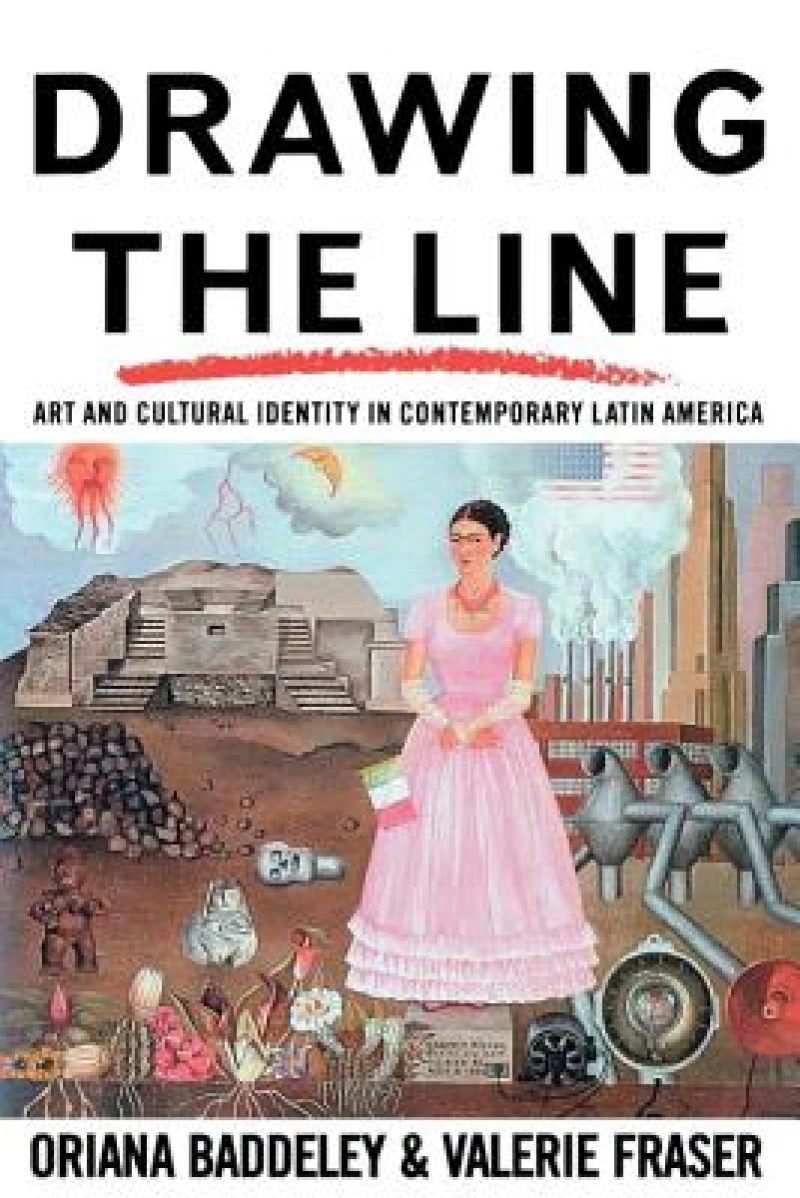
Drawing the Line : Art and Cultural Identity in Contemporary Latin America
Book Details
Format
Paperback / Softback
ISBN-10
0860919536
ISBN-13
9780860919537
Publisher
Verso Books
Imprint
Verso Books
Country of Manufacture
GB
Country of Publication
GB
Publication Date
Jul 17th, 1989
Print length
192 Pages
Weight
314 grams
Dimensions
15.60 x 23.40 x 1.40 cms
Product Classification:
The ArtsCultural studiesCultural studies
Ksh 2,950.00
Manufactured on Demand
0 in stock
Delivery Location
Delivery fee: Select location
Secure
Quality
Fast
Recent international interest in the painters of the Mexican mural movement, such as Rivera and Orozco, has brought Latin American art to a wider audience than ever before but has often failed to confront its continuing marginalization within art criticism.
Drawing the Line is an exploration of the areas occupied by Latin American art and culture between the ongoing traditions of its indigenous inhabitants, its colonial heritage and its contemporary relationship to the cultural politics of North America and Europe. It looks at the way cultural identity has been constructed by artists from the 1940s to the present day and challenges the way art criticism has hitherto dealt with Latin American art.
Established stereotypes of Latin American culture are discussed in terms of their relevance to contemporary artists. The book looks at the frequent subversion of dominant images and conventions of European art—such as the political significance of landscape painted as an attempt to define a specifically Latin American reality, or the constant reworking of familiar icons of European art—and explores the importance of Latin America to the European surrealist movement. The authors examine the significance of popular art—such as the Chilean arpilleras which commemorate the “disappeared” of Pinochet’s regime—and relate it to the traditional “high art/low art” dichotomy.
Including new perspectives on race and gender, Drawing the Line is the most comprehensive account of contemporary Latin American art ever to appear in English.
Drawing the Line is an exploration of the areas occupied by Latin American art and culture between the ongoing traditions of its indigenous inhabitants, its colonial heritage and its contemporary relationship to the cultural politics of North America and Europe. It looks at the way cultural identity has been constructed by artists from the 1940s to the present day and challenges the way art criticism has hitherto dealt with Latin American art.
Established stereotypes of Latin American culture are discussed in terms of their relevance to contemporary artists. The book looks at the frequent subversion of dominant images and conventions of European art—such as the political significance of landscape painted as an attempt to define a specifically Latin American reality, or the constant reworking of familiar icons of European art—and explores the importance of Latin America to the European surrealist movement. The authors examine the significance of popular art—such as the Chilean arpilleras which commemorate the “disappeared” of Pinochet’s regime—and relate it to the traditional “high art/low art” dichotomy.
Including new perspectives on race and gender, Drawing the Line is the most comprehensive account of contemporary Latin American art ever to appear in English.
Get Drawing the Line by at the best price and quality guaranteed only at Werezi Africa's largest book ecommerce store. The book was published by Verso Books and it has pages.

