
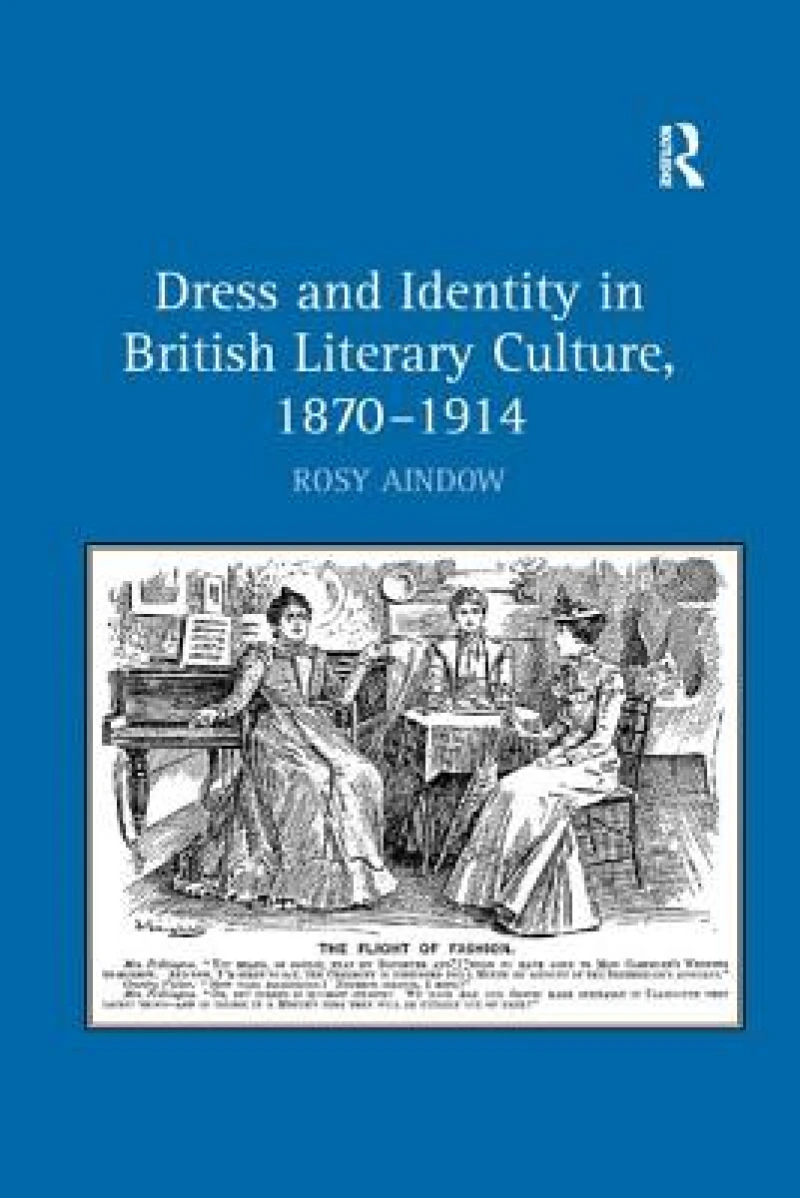
Dress and Identity in British Literary Culture, 1870-1914
by
Rosy Aindow
Book Details
Format
Paperback / Softback
ISBN-10
1138265535
ISBN-13
9781138265530
Publisher
Taylor & Francis Ltd
Imprint
Routledge
Country of Manufacture
GB
Country of Publication
GB
Publication Date
Nov 11th, 2016
Print length
184 Pages
Weight
340 grams
Product Classification:
Fashion & textiles: designLiterature: history & criticismManufacturing industries
Ksh 10,100.00
Werezi Extended Catalogue
0 in stock
Delivery Location
Delivery fee: Select location
Secure
Quality
Fast
Rosy Aindow's interdisciplinary study maps the literary response to the emergence of a modern fashion industry in late nineteenth- and early-twentieth-century Britain. The study argues dress is given a distinctive voice in novels of the period; works that embrace older sartorial tropes, but which simultaneously shape and formulate their own reflecting contemporary social concerns.
Rosy Aindow examines the way fiction registered and responded to the emergence of a modern fashion industry during the period 1870-1914. She traces the role played by dress in the formation of literary identities, with specific attention to the way that an engagement with fashionable clothing was understood to be a means of class emulation. The expansion of the fashion industry in the second half of the nineteenth century is generally considered to have had a significant impact on the way in which lower income groups, in particular, encountered clothing: many were able to participate in fashionable consumption for the first time. Remaining alert to the historical specificity of these events, this study argues that the cultural perception of the expansion of the industry - namely a predominantly bourgeois fear that it would result in a democratisation in dress - had a profound effect on the way in which fashion was approached by contemporary writers. Drawing on existing cultural analogies that associated fashion with women and artifice, it concludes that women were particularly implicated in fictional accounts of class mobility. This transgression applied not only to women who wore fashionable clothing, but to those working in the fashion industry itself. An allusion to fashion has a socio-specific meaning, one which gained a new potency in late nineteenth- and early twentieth-century narratives as a vehicle for the expression of class anxieties.
Get Dress and Identity in British Literary Culture, 1870-1914 by at the best price and quality guaranteed only at Werezi Africa's largest book ecommerce store. The book was published by Taylor & Francis Ltd and it has pages.

