

Dying in Character : Memoirs on the End of Life
Book Details
Format
Paperback / softback
ISBN-10
1558499652
ISBN-13
9781558499652
Publisher
University of Massachusetts Press
Imprint
University of Massachusetts Press
Country of Manufacture
US
Country of Publication
GB
Publication Date
Dec 18th, 2012
Print length
312 Pages
Weight
464 grams
Dimensions
15.40 x 22.90 x 1.90 cms
Product Classification:
MemoirsMemoirsSociology: death & dyingSociology: death and dying
KSh 4,350.00
Temporarily out of stock, due soon
0 in stock
Delivery Location
Delivery fee: Select location
Secure
Quality
Fast
In the past twenty years, an increasing number of authors have written memoirs focusing on the last stage of their lives: Elizabeth Kübler-Ross, for example, in The Wheel of Life, Harold Brodkey in This Wild Darkness, Edward Said in Out of Place, and Tony Judt in The Memory Chalet. In these and other end-of-life memoirs, writers not only confront their own mortality but in most cases struggle to die in character that is, to affirm the values, beliefs, and goals that have characterised their lives.
Examining the works cited above, as well as memoirs by Mitch Albom, Roland Barthes, Jean-Dominique Bauby, Art Buchwald, Randy Pausch, David Rieff, Philip Roth, and Morrie Schwartz, Jeffrey Berman s analysis of this growing genre yields some surprising insights. While the authors have much to say about the loneliness and pain of dying, many also convey joy, fulfillment, and gratitude. Harold Brodkey is willing to die as long as his writings survive. Art Buchwald and Randy Pausch both use the word fun to describe their dying experiences. Dying was not fun for Morrie Schwartz and Tony Judt, but they reveal courage, satisfaction, and fearlessness during the final stage of their lives, when they are nearly paralysed by their illnesses.
It is hard to imagine that these writers could feel so upbeat in their situations, but their memoirs are authentically affirmative. They see death coming, yet they remain stalwart and focused on their writing. Berman concludes that the contemporary end-of-life memoir can thus be understood as a new form of death ritual, a secular example of the long tradition of ars moriendi, the art of dying.
Examining the works cited above, as well as memoirs by Mitch Albom, Roland Barthes, Jean-Dominique Bauby, Art Buchwald, Randy Pausch, David Rieff, Philip Roth, and Morrie Schwartz, Jeffrey Berman s analysis of this growing genre yields some surprising insights. While the authors have much to say about the loneliness and pain of dying, many also convey joy, fulfillment, and gratitude. Harold Brodkey is willing to die as long as his writings survive. Art Buchwald and Randy Pausch both use the word fun to describe their dying experiences. Dying was not fun for Morrie Schwartz and Tony Judt, but they reveal courage, satisfaction, and fearlessness during the final stage of their lives, when they are nearly paralysed by their illnesses.
It is hard to imagine that these writers could feel so upbeat in their situations, but their memoirs are authentically affirmative. They see death coming, yet they remain stalwart and focused on their writing. Berman concludes that the contemporary end-of-life memoir can thus be understood as a new form of death ritual, a secular example of the long tradition of ars moriendi, the art of dying.
Get Dying in Character by Jeffrey Berman at the best price and quality guaranteed only at Werezi Africa's largest book ecommerce store. The book was published by University of Massachusetts Press and it has 312 pages.
Customers Who Bought This Also Bought
Mother Mary Comes to Me
KSh 3,600.00
Youth
KSh 2,700.00
One Day, Everyone Will Have Always Been Against This
KSh 3,050.00
Mother Mary Comes To Me
KSh 2,350.00
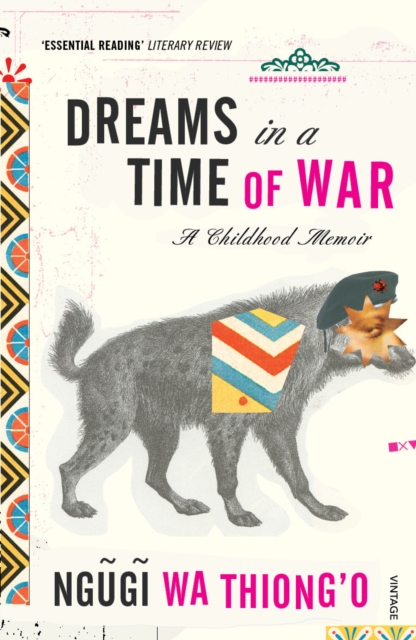
Dreams in a Time of War
KSh 3,050.00
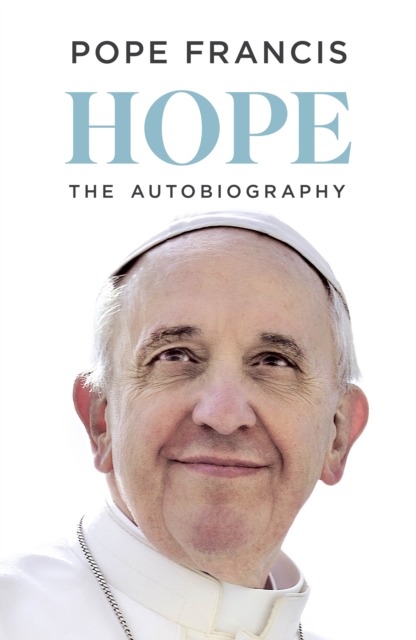
Hope
KSh 4,500.00

Mamba Mentality
KSh 6,400.00
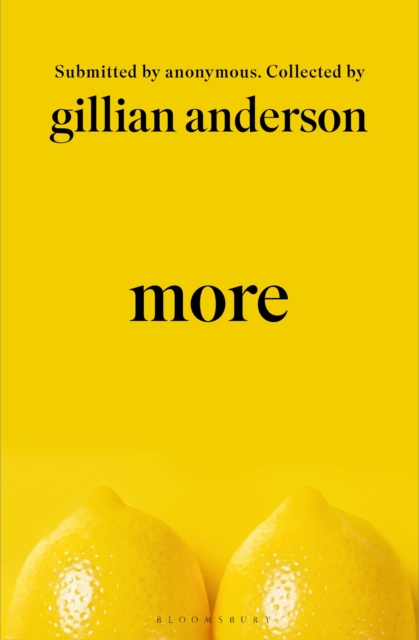
More
KSh 3,050.00
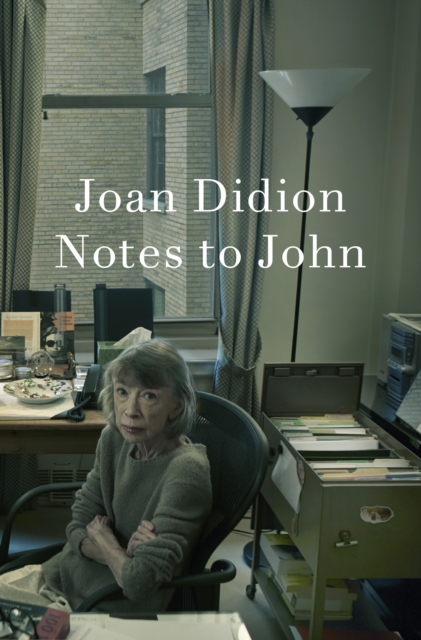
Notes to John
KSh 2,700.00
Notes on Grief
KSh 1,450.00

Reading Lolita in Tehran
KSh 2,000.00
Childhood, Youth, Dependency
KSh 2,350.00
More by Jeffrey Berman
Empathic Teaching
KSh 4,850.00

Freudians and Schadenfreudians
KSh 6,050.00
Cutting and the Pedagogy of Self-disclosure
KSh 5,150.00
Risky Writing
KSh 5,400.00

Psychoanalysis
KSh 4,600.00
Writing the Talking Cure
KSh 4,950.00
Death Education in the Writing Classroom
KSh 30,950.00

Psychoanalytic Memoirs
KSh 17,600.00
Companionship in Grief
KSh 5,100.00
Dying to Teach
KSh 4,600.00

Clinical Fictions
KSh 30,950.00
The Art of Caregiving in Fiction, Film, and Memoir
KSh 6,650.00
