

Dynamic Risk Factors : What role should they play in the explanation, assessment and rehabilitation of offenders?
Book Details
Delivery Location
Delivery fee: Select location
Dynamic risk factors are the children of risk prediction. They were identified to help practitioners assess risk of recidivism and to set treatment targets likely to reduce reoffending. This resulted in the development of intervention programs designed to modify the characteristics of individuals and their environments associated with crime. The predictive nature of their legacy lies in their ability to provide reliable information about the likelihood of future reoffending. In this respect, dynamic risk factors are useful complements to static risk factors such as age, gender, and history of offending, and add incremental validity to recidivism prediction. Their treatment utility resides in the fact that practitioners increasingly rely on the identification of dynamic risk factors to direct correctional assessment and interventions. Thus, dynamic risk factors have a dual status. They are both useful predictors of reoffending and measures of risk status, and potential causes of reoffending, capable of serving an explanatory role as well as a predictive one. It is a simple and powerful conceptualization that has streamlined forensic and correctional research, program development, and the delivery of treatment. Despite its conceptual elegance we believe that the dual conceptualization of dynamic risk factors is problematic and these difficulties spill over into their role in assessment, assessment, treatment, and desistance contexts. In this publication, the nature and function of dynamic risk factors are investigated and their strengths and limitations identified. This book was originally published as a special issue of Psychology, Crime and Law.
Get Dynamic Risk Factors by Clare-Ann Fortune at the best price and quality guaranteed only at Werezi Africa's largest book ecommerce store. The book was published by Taylor & Francis Ltd and it has 218 pages.
Customers Who Bought This Also Bought

The Struggle for Respect in Urban Classrooms
KSh 30,950.00

Improving Interagency Collaboration, Innovation and Learning in Criminal Justice Systems
KSh 8,100.00
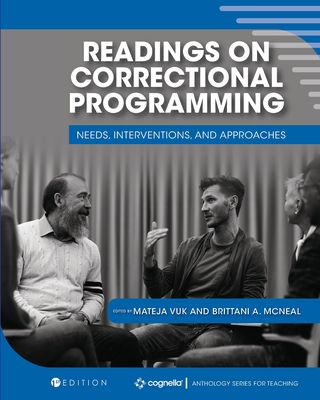
Readings on Correctional Programming
KSh 23,950.00

Effective Probation Practice
KSh 6,300.00

Group Work in Correctional Rehabilitation
KSh 12,600.00

The English Prison Officer Since 1850
KSh 5,750.00
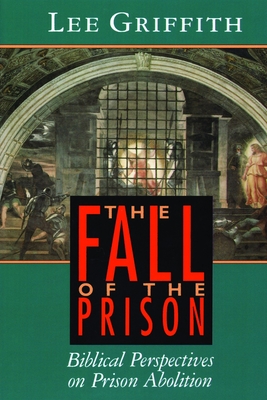
The Fall of the Prison
KSh 4,150.00
Rehabilitation, Crime and Justice
KSh 16,200.00

Emotional Literacy in Criminal Justice
KSh 8,100.00

Sport in Prison
KSh 28,800.00

What Works in Crime Prevention and Rehabilitation
KSh 25,200.00

Changemakers' Guide to Prison Arts Programming
KSh 7,900.00
More in This Genre
The Struggle for Respect in Urban Classrooms
KSh 30,950.00
Improving Interagency Collaboration, Innovation and Learning in Criminal Justice Systems
KSh 8,100.00
Readings on Correctional Programming
KSh 23,950.00
Effective Probation Practice
KSh 6,300.00
Group Work in Correctional Rehabilitation
KSh 12,600.00
The English Prison Officer Since 1850
KSh 5,750.00
