
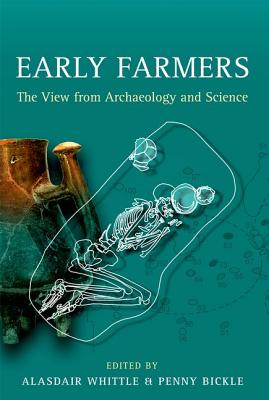
Early Farmers : The View from Archaeology and Science
Book Details
Format
Hardback
Book Series
Proceedings of the British Academy
ISBN-10
0197265758
ISBN-13
9780197265758
Publisher
Oxford University Press
Imprint
Oxford University Press
Country of Manufacture
GB
Country of Publication
GB
Publication Date
Nov 13th, 2014
Print length
486 Pages
Weight
994 grams
Dimensions
17.00 x 24.30 x 3.00 cms
KSh 20,150.00
Werezi Extended Catalogue
Delivery in 12 days
1 copies in stock
Delivery Location
Delivery fee: Select location
Delivery in 12 days
Secure
Quality
Fast
Archaeology and science enable new and creative understandings of Europe's early farmers, answering questions that remain after more than a century of research. The challenge is to integrate multiple lines of evidence, scientific and more traditionally archaeological, while keeping in focus the principal questions that we want to ask of our data.
The Neolithic period was one of the great transformations in human history with profound, long-term consequences. In Europe, there were no farmers at 7000 cal BC, but very few hunter-gatherers after about 4000 cal BC. Although we understand the broad chronological structure of this shift, many pressing research questions remain. Archaeologists are still vigorously debating the identity of those principally involved in initiating change, the detail of everyday lives during the Neolithic, including basic questions about settlement, the operation of the farming economy and the varied roles of material culture, and the character of large-scale and long-term transformations. They face the task not only of working at different scales, but of integrating ever-expanding amounts of evidence. As well as the data coming from larger and more intensive excavations, there has been a radical increase in the information released by many kinds of scientific analysis of archaeological remains. These now include, alongside longer established methods of looking at food remains and material, the isotopic analysis of the diet and lifetime movement of people, isotopic analysis of cereal remains for indications of manuring, a DNA analysis of genetic signatures, detailed micromorphological analysis of deposits where people lived, and the close examination of the origin and production of varying materials and artefacts.The 21 chapters by leading experts in the field demonstrate how the combination of archaeological and scientific evidence now provides opportunities for new and creative understandings of Europe''s early farmers. They make an important contribution to the debate over how best to integrate these multiple lines of evidence, scientific and more traditionally archaeological, while keeping in central focus the principal questions that we want to ask of our data.
Get Early Farmers by Alasdair Whittle at the best price and quality guaranteed only at Werezi Africa's largest book ecommerce store. The book was published by Oxford University Press and it has 486 pages.
Customers Who Bought This Also Bought
Agricola and the Germania
KSh 2,350.00

The History of the Kings of Britain
KSh 2,350.00
The History of the Peloponnesian War
KSh 2,700.00

Greek Lives
KSh 2,150.00

How to Be a Leader – An Ancient Guide to Wise Leadership
KSh 2,800.00

The Storm Before the Storm
KSh 3,050.00
Servus
KSh 4,500.00

All Roads Lead to Rome
KSh 2,000.00
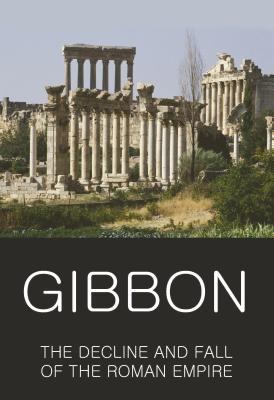
Decline and Fall of the Roman Empire
KSh 1,900.00

A History of the Roman Empire in 21 Women
KSh 2,150.00

Decline and Fall of the Roman Empire: Vols 4-6
KSh 10,850.00

The History of the Decline and Fall of the Roman Empire
KSh 4,500.00
