
Cart 0
Early Modern Theatre and the Figure of Disability
Click to zoom

Share this book

Early Modern Theatre and the Figure of Disability

Book Details

Format Paperback / Softback
ISBN-10 1350160369
ISBN-13 9781350160361
Publisher Bloomsbury Publishing PLC
Imprint The Arden Shakespeare
Country of Manufacture GB
Country of Publication GB
Publication Date Jul 23rd, 2020
Print length 224 Pages
Weight 254 grams
Dimensions 13.00 x 19.80 x 1.60 cms
Ksh 5,250.00
Manufactured on Demand Delivery in 29 days

Delivery Location

Delivery fee: Select location

Delivery in 29 days

Secure
Quality
Fast
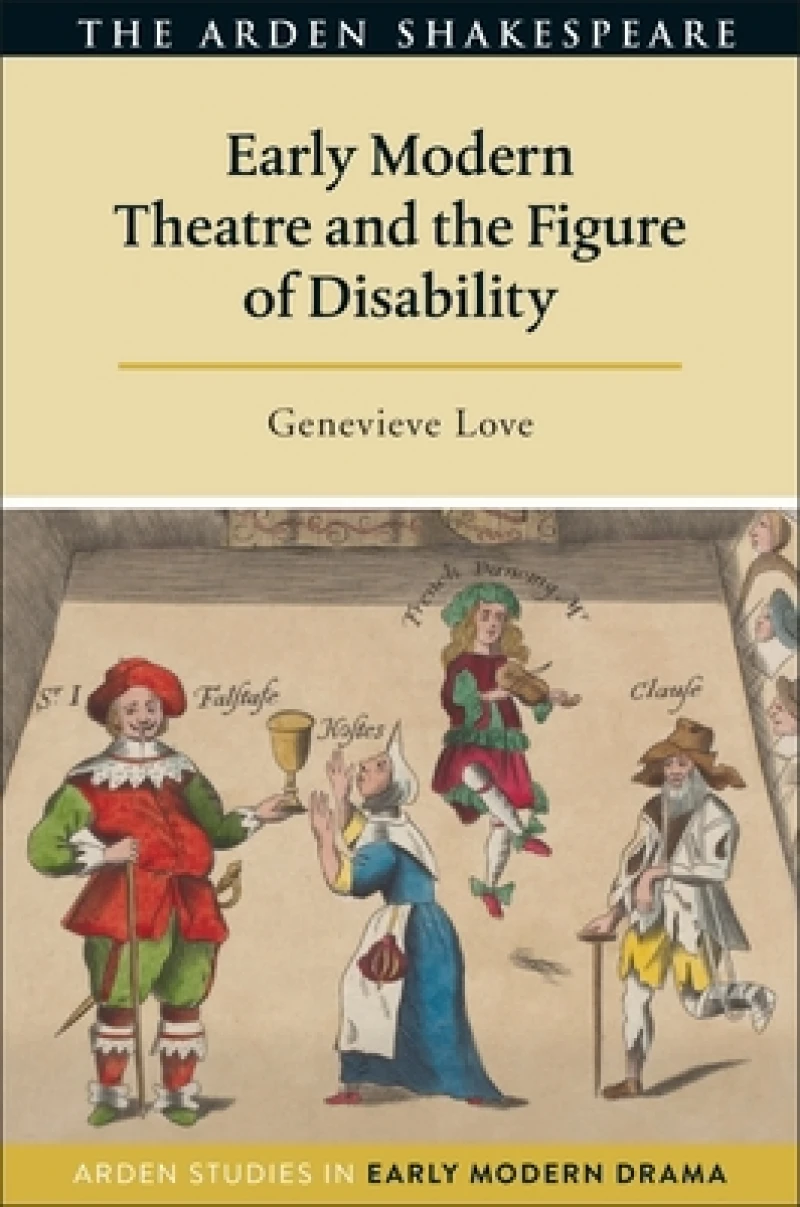
What work did physically disabled characters do for the early modern theatre? Through a consideration of a range of plays, including Doctor Faustus and Richard III, Genevieve Love argues that the figure of the physically disabled prosthetic body in early modern English theatre mediates a set of related ‘likeness problems’ that structure the theatrical, textual, and critical lives of the plays of Shakespeare and his contemporaries. The figure of disability stands for the relationship between actor and character: prosthetic disabled characters with names such as Cripple and Stump capture the simultaneous presence of the fictional and the material, embodied world of the theatre. When the figure of the disabled body exits the stage, it also mediates a second problem of likeness, between plays in their performed and textual forms. While supposedly imperfect textual versions of plays have been characterized as ‘lame’, the dynamic movement of prosthetic disabled characters in the theatre expands the figural role which disability performs in the relationship between plays on the stage and on the page. Early Modern Theatre and the Figure of Disability reveals how attention to physical disability enriches our understanding of early modern ideas about how theatre works, while illuminating in turn how theatre offers a reframing of disability as metaphor.

What work did physically disabled characters do for the early modern theatre? Through a consideration of a range of plays, including Doctor Faustus and Richard III, Genevieve Love argues that the figure of the physically disabled prosthetic body in early modern English theatre mediates a set of related ‘likeness problems’ that structure the theatrical, textual, and critical lives of the plays of Shakespeare and his contemporaries.

The figure of disability stands for the relationship between actor and character: prosthetic disabled characters with names such as Cripple and Stump capture the simultaneous presence of the fictional and the material, embodied world of the theatre. When the figure of the disabled body exits the stage, it also mediates a second problem of likeness, between plays in their performed and textual forms. While supposedly imperfect textual versions of plays have been characterized as ‘lame’, the dynamic movement of prosthetic disabled characters in the theatre expands the figural role which disability performs in the relationship between plays on the stage and on the page.

Early Modern Theatre and the Figure of Disability reveals how attention to physical disability enriches our understanding of early modern ideas about how theatre works, while illuminating in turn how theatre offers a reframing of disability as metaphor.


Get Early Modern Theatre and the Figure of Disability by at the best price and quality guaranteed only at Werezi Africa's largest book ecommerce store. The book was published by Bloomsbury Publishing PLC and it has pages.


Mind, Body, & Spirit

Price

Ksh 5,250.00

Shopping Cart

Africa largest book store

Sub Total:
Ebooks

Digital Library
Coming Soon

Our digital collection is currently being curated to ensure the best possible reading experience on Werezi. We'll be launching our Ebooks platform shortly.