
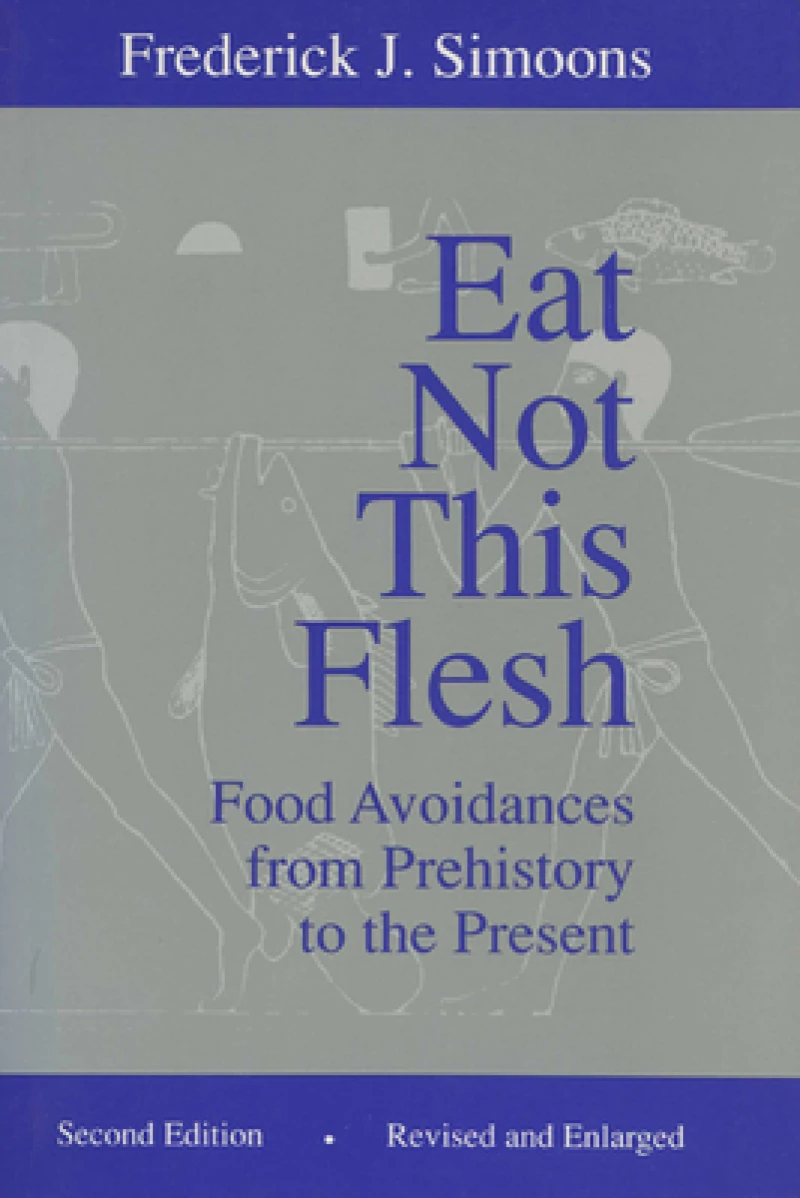
Eat not This Flesh : Food Avoidances from Prehistory to the Present
Second Edition
Book Details
Format
Paperback / Softback
ISBN-10
029914254X
ISBN-13
9780299142544
Edition
Second Edition
Publisher
University of Wisconsin Press
Imprint
University of Wisconsin Press
Country of Manufacture
US
Country of Publication
GB
Publication Date
Dec 15th, 1994
Print length
544 Pages
Weight
852 grams
Dimensions
15.60 x 22.90 x 3.90 cms
Ksh 4,750.00
Werezi Extended Catalogue
0 in stock
Delivery Location
Delivery fee: Select location
Secure
Quality
Fast
This text explores taboos against eating certain kinds of flesh from a historical and cultural perspective. New research on the use and avoidance of flesh foods, from antiquity to the present day, is integrated in this edition.
Hailed as a classic when initially published in 1961,Eat Not This Flesh was the first book that explored, from a historical and cultural perspective, taboos against eating certain kinds of flesh. Frederick J. Simoons's research remains original and invaluable, the only attempt of its kind to reconstruct the origin and spread of food avoidances while challenging current Western explanations. In this expanded and updated edition, Simoons integrates new research as he examines the use and avoidance of flesh foods—including beef, pork, chicken and eggs, camel, dog, horse, and fish—from antiquity to the present day.
Simoons suggests that Westerners are too ready, even in the absence of supporting evidence, to cite contemporary thinking about disease and environmental factors to explain why certain cultures avoid particular kinds of meat. He demonstrates how historical and archaeological evidence fails to support such explanations. He examines the origin of pork rejection in the Near East, explores the concept of the sacred cow in India and the ensuing ban on beef, and reveals how some African women abstain from chicken and eggs, fearing infertility.
While no single explanation exists for food taboos, Simoons finds that the powerful, recurrent theme of maintaining ritual purity, good health, and well-being underlies diet habits. He emphasises that only a full range of factors can explain eating patterns, and he stresses the interplay of religious, moral, hygienic, ecological, and economic factors in the context of human culture. Maps, drawings, and photos highlighting food avoidance patterns in Africa, Asia, Europe, and the Pacific provide additional information throughout the book.
Simoons suggests that Westerners are too ready, even in the absence of supporting evidence, to cite contemporary thinking about disease and environmental factors to explain why certain cultures avoid particular kinds of meat. He demonstrates how historical and archaeological evidence fails to support such explanations. He examines the origin of pork rejection in the Near East, explores the concept of the sacred cow in India and the ensuing ban on beef, and reveals how some African women abstain from chicken and eggs, fearing infertility.
While no single explanation exists for food taboos, Simoons finds that the powerful, recurrent theme of maintaining ritual purity, good health, and well-being underlies diet habits. He emphasises that only a full range of factors can explain eating patterns, and he stresses the interplay of religious, moral, hygienic, ecological, and economic factors in the context of human culture. Maps, drawings, and photos highlighting food avoidance patterns in Africa, Asia, Europe, and the Pacific provide additional information throughout the book.
Get Eat not This Flesh by at the best price and quality guaranteed only at Werezi Africa's largest book ecommerce store. The book was published by University of Wisconsin Press and it has pages.

