
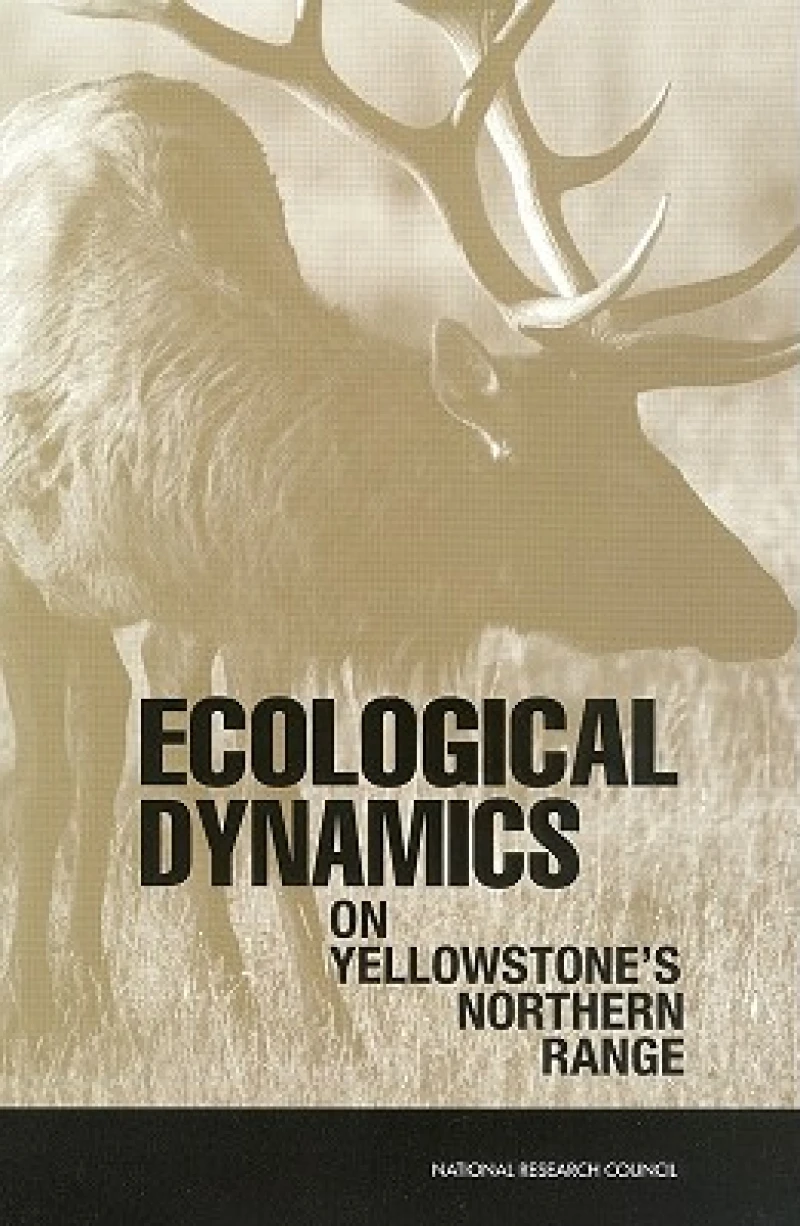
Ecological Dynamics on Yellowstone's Northern Range
Book Details
Format
Paperback / Softback
ISBN-10
0309083451
ISBN-13
9780309083454
Publisher
National Academies Press
Imprint
National Academies Press
Country of Manufacture
GB
Country of Publication
GB
Publication Date
Feb 1st, 2002
Print length
198 Pages
Ksh 10,600.00
Publisher Out of Stock
0 in stock
Delivery Location
Delivery fee: Select location
Secure
Quality
Fast
Discusses the complex management challenges in Yellowstone National Park. This report examines the evidence that increased ungulate populations are responsible for the changes in vegetation and that the changes represent a major and serious change in the Yellowstone ecosystem.
Ecological Dynamics on Yellowstone's Northern Range discusses the complex management challenges in Yellowstone National Park. Controversy over the National Park Service's approach of "natural regulation" has heightened in recent years because of changes in vegetation and other ecosystem components in Yellowstone's northern range. Natural regulation minimizes human impacts, including management intervention by the National Park Service, on the park ecosystem. Many have attributed these changes to increased size of elk and other ungulate herds.
This report examines the evidence that increased ungulate populations are responsible for the changes in vegetation and that the changes represent a major and serious change in the Yellowstone ecosystem. According to the authors, any human intervention to protect species such as the aspen and those that depend on them should be prudently localized rather than ecosystem-wide. An ecosystem—wide approach, such as reducing ungulate populations, could be more disruptive. The report concludes that although dramatic ecological change does not appear to be imminent, approaches to dealing with potential human—caused changes in the ecosystem, including those related to climate change, should be considered now. The need for research and public education is also compelling.
This report examines the evidence that increased ungulate populations are responsible for the changes in vegetation and that the changes represent a major and serious change in the Yellowstone ecosystem. According to the authors, any human intervention to protect species such as the aspen and those that depend on them should be prudently localized rather than ecosystem-wide. An ecosystem—wide approach, such as reducing ungulate populations, could be more disruptive. The report concludes that although dramatic ecological change does not appear to be imminent, approaches to dealing with potential human—caused changes in the ecosystem, including those related to climate change, should be considered now. The need for research and public education is also compelling.
Get Ecological Dynamics on Yellowstone's Northern Range by at the best price and quality guaranteed only at Werezi Africa's largest book ecommerce store. The book was published by National Academies Press and it has pages.

