

Ecological Imperialism : The Biological Expansion of Europe, 900–1900
2 Revised edition
Book Details
Format
Paperback / softback
Book Series
Canto Classics
ISBN-10
1107569877
ISBN-13
9781107569874
Edition
2 Revised edition
Publisher
Cambridge University Press
Imprint
Cambridge University Press
Country of Manufacture
US
Country of Publication
GB
Publication Date
Oct 6th, 2015
Print length
388 Pages
Weight
504 grams
Dimensions
14.10 x 21.60 x 2.10 cms
Product Classification:
European historyColonialism & imperialismEuropean historyColonialism and imperialism
KSh 3,700.00
Currently unavailable
0 in stock
Delivery Location
Delivery fee: Select location
Secure
Quality
Fast
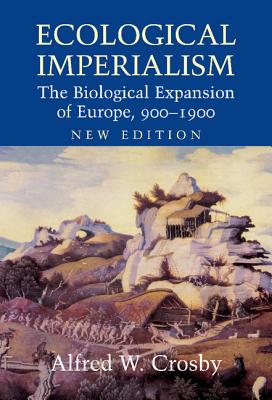
In this original and fascinating study, Alfred W. Crosby argues that the Europeans' displacement and replacement of the native peoples in the temperate zones was more a matter of biology than of military conquest. The spread of European disease, flora and fauna went hand in hand with the growth of populations.
People of European descent form the bulk of the population in most of the temperate zones of the world - North America, Australia and New Zealand. The military successes of European imperialism are easy to explain; in many cases they were a matter of firearms against spears. But as Alfred W. Crosby maintains in this highly original and fascinating book, the Europeans'' displacement and replacement of the native peoples in the temperate zones was more a matter of biology than of military conquest. European organisms had certain decisive advantages over their New World and Australian counterparts. The spread of European disease, flora and fauna went hand in hand with the growth of populations. Consequently, these imperialists became proprietors of the most important agricultural lands in the world. In the second edition, Crosby revisits his now classic work and again evaluates the global historical importance of European ecological expansion.
Get Ecological Imperialism by Alfred W. Crosby at the best price and quality guaranteed only at Werezi Africa's largest book ecommerce store. The book was published by Cambridge University Press and it has 388 pages.
Customers Who Bought This Also Bought
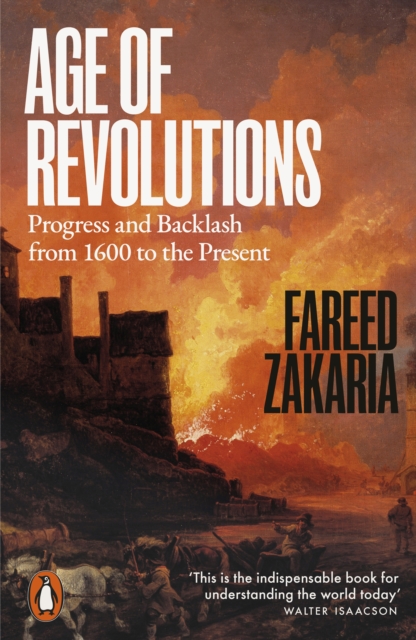
Age of Revolutions
KSh 2,350.00

Eichmann in Jerusalem
KSh 2,350.00

Trouble With Being Born
KSh 2,000.00

Hiroshima
KSh 2,000.00

Freedom
KSh 6,300.00

Holocaust
KSh 2,700.00
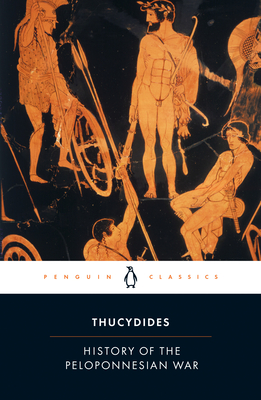
The History of the Peloponnesian War
KSh 2,700.00
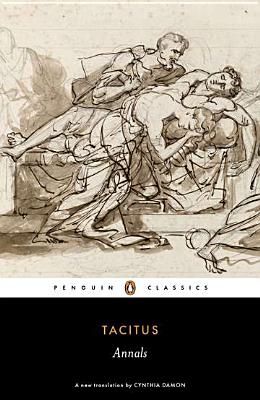
Annals
KSh 2,350.00
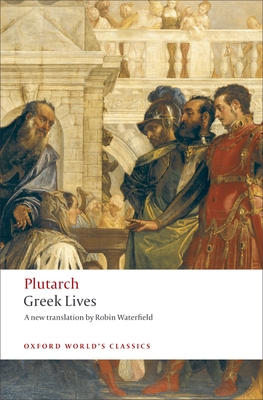
Greek Lives
KSh 2,150.00
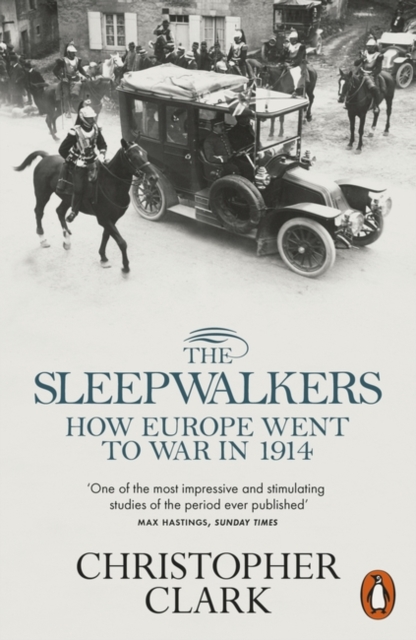
Sleepwalkers
KSh 3,400.00

Napoleon The Great
KSh 3,600.00

Diary of a Young Girl
KSh 1,800.00
More by Alfred W. Crosby
Ecological Imperialism
KSh 20,500.00
Germs, Seeds and Animals:
KSh 33,850.00
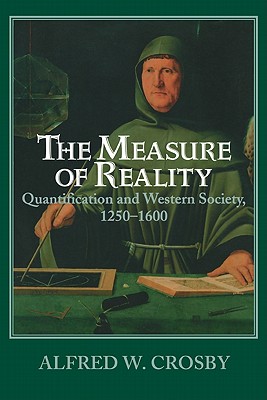
The Measure of Reality
KSh 4,300.00

America''s Forgotten Pandemic
KSh 4,850.00

Throwing Fire
KSh 14,750.00

America''s Forgotten Pandemic
KSh 16,550.00
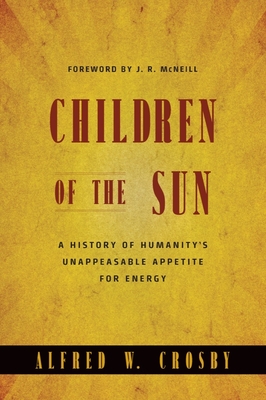
Children of the Sun
KSh 4,100.00
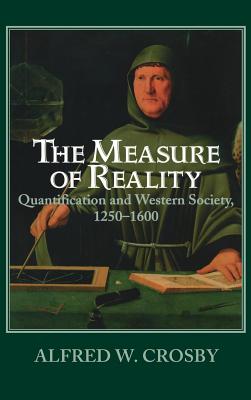
The Measure of Reality
KSh 16,550.00

Throwing Fire
KSh 4,550.00

Germs, Seeds and Animals
KSh 9,200.00
