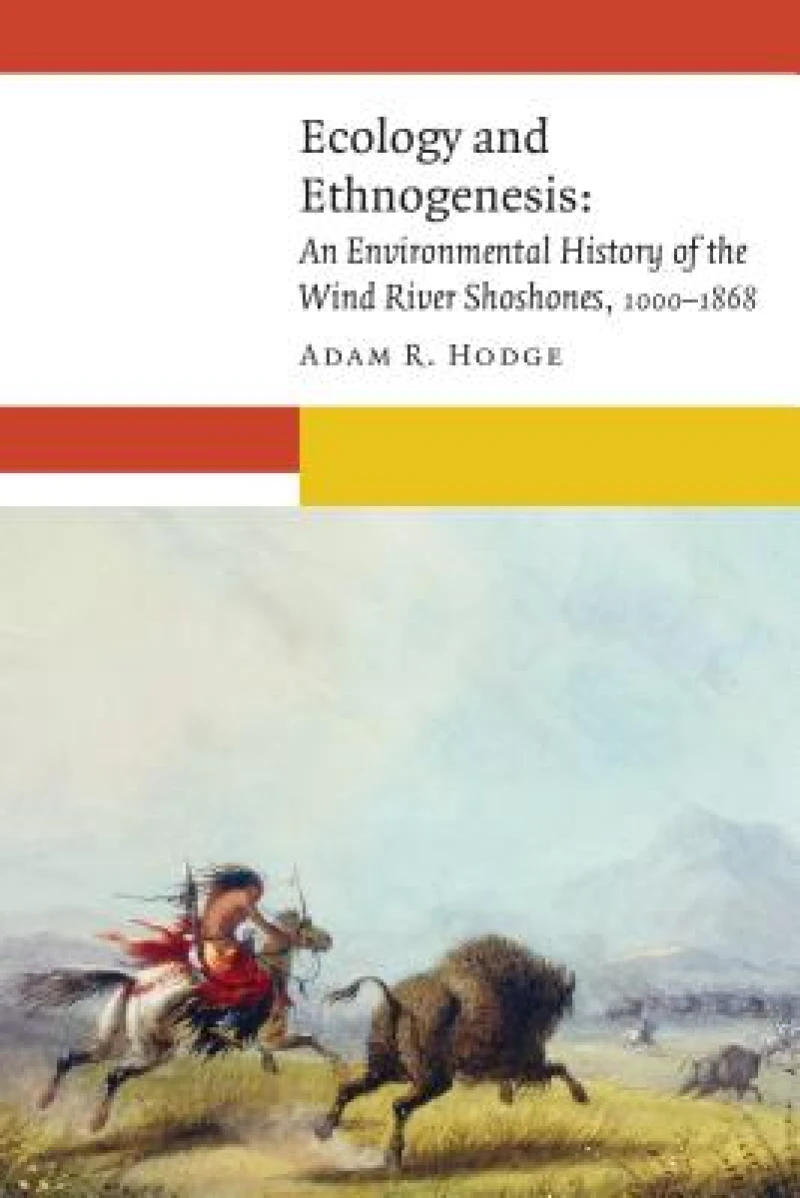
Ecology and Ethnogenesis : An Environmental History of the Wind River Shoshones, 1000–1868
Book Details
Format
Hardback or Cased Book
ISBN-10
1496201515
ISBN-13
9781496201515
Publisher
University of Nebraska Press
Imprint
University of Nebraska Press
Country of Manufacture
GB
Country of Publication
GB
Publication Date
Apr 1st, 2019
Print length
354 Pages
Weight
698 grams
Dimensions
16.30 x 23.80 x 2.70 cms
Ksh 8,650.00
Werezi Extended Catalogue
0 in stock
Delivery Location
Delivery fee: Select location
Secure
Quality
Fast
Argues that the Eastern Shoshone tribe, now located on the Wind River Reservation in Wyoming, underwent a process of ethnogenesis through cultural attachment to its physical environment that proved integral to its survival and existence.
In Ecology and Ethnogenesis Adam R. Hodge argues that the Eastern Shoshone tribe, now located on the Wind River Reservation in Wyoming, underwent a process of ethnogenesis through cultural attachment to its physical environment that proved integral to its survival and existence. He explores the intersection of environmental, indigenous, and gender history to illuminate the historic roots of the Eastern Shoshone bands that inhabited the intermountain West during the nineteenth century.
Hodge presents an impressive longue durÉe narrative of Eastern Shoshone history from roughly 1000 CE to 1868, analyzing the major developments that influenced Shoshone culture and identity. Geographically spanning the Great Basin, Rocky Mountain, Columbia Plateau, and Great Plains regions, Ecology and Ethnogenesis engages environmental history to explore the synergistic relationship between the subsistence methods of indigenous people and the lands that they inhabited prior to the reservation era. In examining that history, Hodge treats Shoshones, other Native peoples, and Euroamericans as agents who, through their use of the environment, were major components of much broader ecosystems. The story of the Eastern Shoshones over eight hundred years is an epic story of ecological transformation, human agency, and cultural adaptation.
Ecology and Ethnogenesis is a major contribution to environmental history, ethnohistory, and Native American history. It explores Eastern Shoshone ethnogenesis based on interdisciplinary research in history, archaeology, anthropology, and the natural sciences in devoting more attention to the dynamic and often traumatic history of “precontact” Native America and to how the deeper past profoundly influenced the “postcontact” era.
Hodge presents an impressive longue durÉe narrative of Eastern Shoshone history from roughly 1000 CE to 1868, analyzing the major developments that influenced Shoshone culture and identity. Geographically spanning the Great Basin, Rocky Mountain, Columbia Plateau, and Great Plains regions, Ecology and Ethnogenesis engages environmental history to explore the synergistic relationship between the subsistence methods of indigenous people and the lands that they inhabited prior to the reservation era. In examining that history, Hodge treats Shoshones, other Native peoples, and Euroamericans as agents who, through their use of the environment, were major components of much broader ecosystems. The story of the Eastern Shoshones over eight hundred years is an epic story of ecological transformation, human agency, and cultural adaptation.
Ecology and Ethnogenesis is a major contribution to environmental history, ethnohistory, and Native American history. It explores Eastern Shoshone ethnogenesis based on interdisciplinary research in history, archaeology, anthropology, and the natural sciences in devoting more attention to the dynamic and often traumatic history of “precontact” Native America and to how the deeper past profoundly influenced the “postcontact” era.
Get Ecology and Ethnogenesis by at the best price and quality guaranteed only at Werezi Africa's largest book ecommerce store. The book was published by University of Nebraska Press and it has pages.