
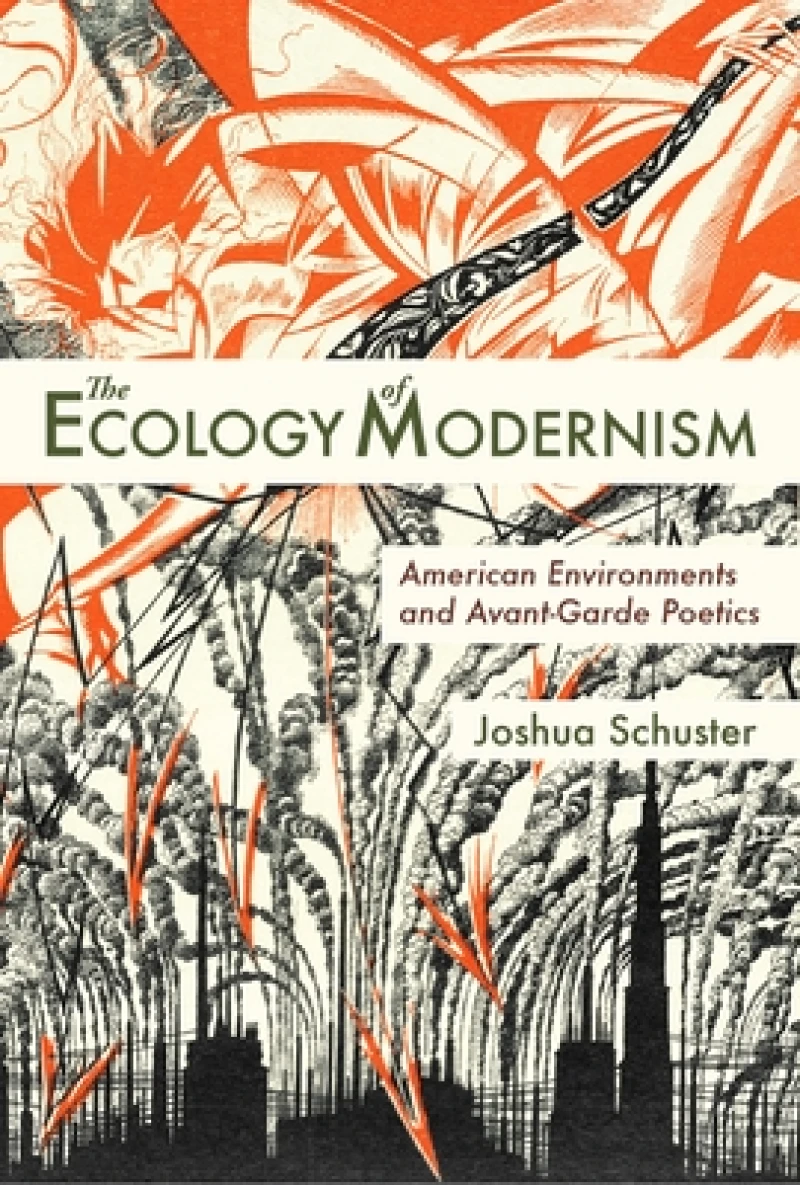
Ecology of Modernism : American Environments and Avant-Garde Poetics
Book Details
Format
Paperback / Softback
Book Series
Modern and Contemporary Poetics
ISBN-10
0817358293
ISBN-13
9780817358297
Publisher
The University of Alabama Press
Imprint
The University of Alabama Press
Country of Manufacture
GB
Country of Publication
GB
Publication Date
Oct 15th, 2015
Print length
272 Pages
Weight
370 grams
Dimensions
22.60 x 14.90 x 1.50 cms
Product Classification:
Literary studies: c 1900 to c 2000Literary studies: from c 1900 -
Ksh 5,700.00
Temporarily out of stock, due soon
0 in stock
Delivery Location
Delivery fee: Select location
Secure
Quality
Fast
The Ecology of Modernism explores the unexpected absence of an environmental ethic in American modernist and avant-garde poetics, given its keen concern with an ecological esthetic. Joshua Schuster explains why American modernism was never green.
In The Ecology of Modernism, Joshua Schuster examines the relationships of key modernist writers, poets, and musicians to nature, industrial development, and pollution. He posits that that the curious failure of modernist poets to develop an environmental ethnic was a deliberate choice and not an inadvertent omission.
In his opening passage, Schuster boldly invokes lines from Walt Whitman’s “Crossing Brooklyn Ferry,” which echo as a paean to pollution: “Burn high your fires, foundry chimneys! cast black shadows at nightfall!” Schuster labels this theme “regeneration through pollution” and demonstrates how this motif recurs in modernist compositions. This tolerance for, if not actual exultation of, the by-products of industrialization hindered modernist American artists, writers, and musicians from embracing environmentalist agendas.
Schuster provides specific case studies about Marianne Moore and her connection of fables with animal rights; Gertrude Stein and concepts of nature in her avant-garde poetics; early blues music and poetry and the issue of how environmental disasters (floods, droughts, pestilence) affected black farmers and artists in the American South; and John Cage, who extends the modernist avant-garde project formally but critiques it at the same time for failing to engage with ecology. A fascinating afterword about the role of oil modernist literary production rounds out this work.
Schuster masterfully shines a light on the modernist interval between the writings of bucolic and nature-extolling Romantics and the emergence of a self-conscious green movement in the 1960s. This rewarding work shows that the reticence of modernist poets in the face of resource depletion, pollution, animal rights, and other ecological traumas is highly significant.
In The Ecology of Modernism, Joshua Schuster examines the relationships of key modernist writers, poets, and musicians to nature, industrial development, and pollution. He posits that that the curious failure of modernist poets to develop an environmental ethnic was a deliberate choice and not an inadvertent omission.
In his opening passage, Schuster boldly invokes lines from Walt Whitman’s “Crossing Brooklyn Ferry,” which echo as a paean to pollution: “Burn high your fires, foundry chimneys! cast black shadows at nightfall!” Schuster labels this theme “regeneration through pollution” and demonstrates how this motif recurs in modernist compositions. This tolerance for, if not actual exultation of, the by-products of industrialization hindered modernist American artists, writers, and musicians from embracing environmentalist agendas.
Schuster provides specific case studies about Marianne Moore and her connection of fables with animal rights; Gertrude Stein and concepts of nature in her avant-garde poetics; early blues music and poetry and the issue of how environmental disasters (floods, droughts, pestilence) affected black farmers and artists in the American South; and John Cage, who extends the modernist avant-garde project formally but critiques it at the same time for failing to engage with ecology. A fascinating afterword about the role of oil modernist literary production rounds out this work.
Schuster masterfully shines a light on the modernist interval between the writings of bucolic and nature-extolling Romantics and the emergence of a self-conscious green movement in the 1960s. This rewarding work shows that the reticence of modernist poets in the face of resource depletion, pollution, animal rights, and other ecological traumas is highly significant.
Get Ecology of Modernism by at the best price and quality guaranteed only at Werezi Africa's largest book ecommerce store. The book was published by The University of Alabama Press and it has pages.

