
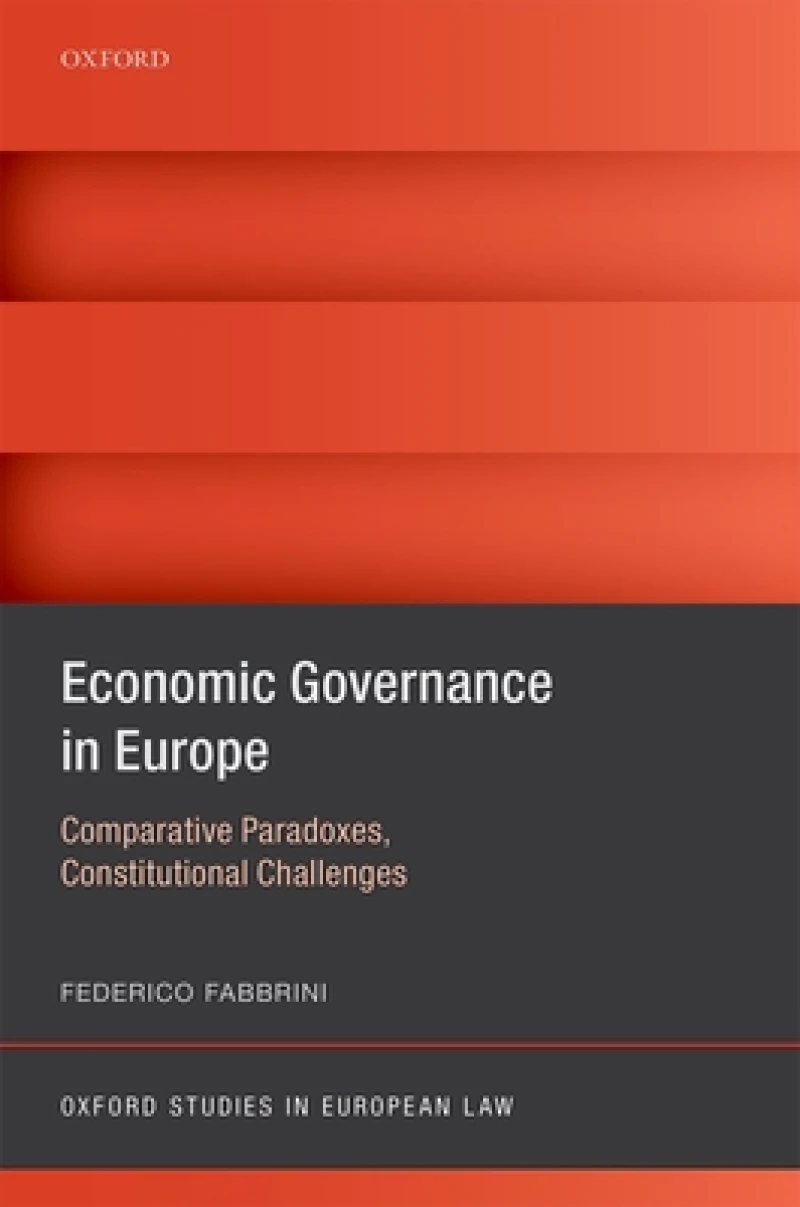
Economic Governance in Europe : Comparative Paradoxes and Constitutional Challenges
Book Details
Format
Hardback or Cased Book
Book Series
Oxford Studies in European Law
ISBN-10
0198749139
ISBN-13
9780198749134
Publisher
Oxford University Press
Imprint
Oxford University Press
Country of Manufacture
GB
Country of Publication
GB
Publication Date
Feb 1st, 2016
Print length
352 Pages
Weight
686 grams
Dimensions
24.00 x 17.10 x 2.60 cms
Ksh 21,950.00
Manufactured on Demand
0 in stock
Delivery Location
Delivery fee: Select location
Secure
Quality
Fast
Offering an comparative examination of the constitutional implications of the Euro-crisis on vertical and horizontal relations of power in the EU, this book proposes new ways in which to perfect the governance of Economic and Monetary Union.
The Euro-Crisis and the legal and institutional responses to it have had important constitutional implications on the architecture of the European Union (EU). Going beyond the existing literature, Federico Fabbrini''s book takes a broad look and examines how the crisis and its aftermath have changed relations of power in the EU, disaggregating three different dimensions: (1) the vertical relations of power between the member states and the EU institutions, (2) the relations of power between the political branches and the courts, and (3) the horizontal relations of power between the EU member states themselves.The first part of the book argues that, in the aftermath of the Euro-crisis, power has been shifting along each of these axes in paradoxical ways. In particular, through a comparison of the United States, Fabbrini reveals that the EU is nowadays characterized by a high degree of centralization in budgetary affairs, an unprecedented level of judicialization of economic questions, and a growing imbalance between the member states in the governance of fiscal matters. As the book makes clear, however, each of these dynamics is a cause for concern - as it calls into question important constitutional values for the EU, such as the autonomy of the member states in taking decision about taxing and spending, the preeminence of the political process in settling economic matters, and the balance between state power and state equality. The second part of the book, therefore, devises possible options for future legal and institutional developments in the EU which may revert these paradoxical trends. In particular, Fabbrini considers the ideas of raising a fiscal capacitiy, restoring the centrality of the EU legislative process, and reforming the EU executive power, and discusses the challenges that accompany any further step towards a deeper Economic and Monetary Union.
Get Economic Governance in Europe by at the best price and quality guaranteed only at Werezi Africa's largest book ecommerce store. The book was published by Oxford University Press and it has pages.

