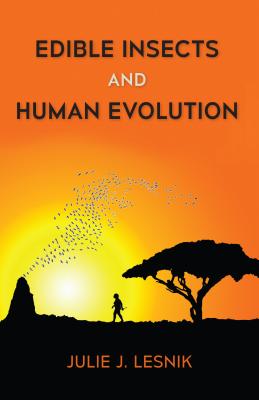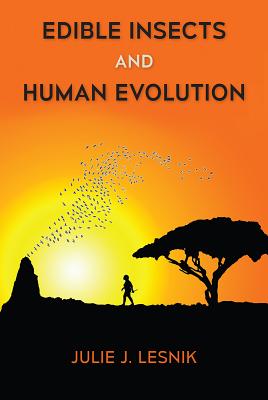
Edible Insects and Human Evolution
Book Details
Format
Hardback
ISBN-10
0813056993
ISBN-13
9780813056999
Publisher
University Press of Florida
Imprint
University Press of Florida
Country of Manufacture
US
Country of Publication
GB
Publication Date
Jul 17th, 2018
Print length
272 Pages
Weight
444 grams
Dimensions
15.90 x 23.60 x 2.00 cms
KSh 14,750.00
Temporarily out of stock, due soon
0 in stock
Delivery Location
Delivery fee: Select location
Secure
Quality
Fast
Researchers who study ancient human diets tend to focus on meat eating, since the practice of butchery is very apparent in the archaeological record. In this volume, Julie Lesnik brings a different food source into view, tracing evidence that humans and their hominin ancestors also consumed insects throughout the entire course of human evolution.
Researchers who study ancient human diets tend to focus on meat eating, since the practice of butchery is very apparent in the archaeological record. In this volume, Julie Lesnik brings a different food source into view, tracing evidence that humans and their hominin ancestors also consumed insects throughout the entire course of human evolution. Lesnik investigates the role of insects in the diets of hunter-gatherers and our nonhuman primate cousins in order to deduce what insect consumption looked like in the past. She approaches the question from the perspectives of primatology, sociocultural anthropology, reproductive physiology, and paleoanthropology. Lesnik posits that women would likely spend more time foraging for and eating insects than men, arguing that this pattern is important to note because women are too often ignored in reconstructions of ancient human behavior. Because of the abundance of insects and the low risk of acquiring them, insects were a reliable food source that mothers used to feed their families over the past five million years. Although they are consumed worldwide to this day, insects are not usually considered to be food in Western societies. Tying together ancient history with our modern lives, Lesnik points out that insects are a highly nutritious and very sustainable food. Lesnik believes that if we accept that edible insects are a part of the human legacy, we may have new conversations about what is good to eat—both in past diets and for the future of food.
Get Edible Insects and Human Evolution by Julie J. Lesnik at the best price and quality guaranteed only at Werezi Africa's largest book ecommerce store. The book was published by University Press of Florida and it has 272 pages.
Customers Who Bought This Also Bought
Making Archaeology Happen
KSh 30,950.00
Modes of Production and Archaeology
KSh 13,700.00

Collaborative and Community-Engaged Archaeology
KSh 12,950.00

Archaeoastronomy
KSh 10,100.00

Archaeoastronomy
KSh 3,250.00

Resequencing the Middle Ages through Archaeogenetics
KSh 13,500.00

Resequencing the Middle Ages through Archaeogenetics
KSh 4,500.00
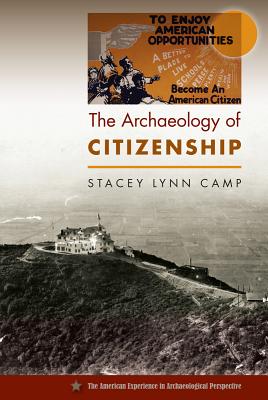
The Archaeology of Citizenship
KSh 3,250.00

Keeper Of Genesis
KSh 2,000.00
Archaeological Research
KSh 37,800.00

Language of Myth and Art
KSh 16,750.00

Archaeological Bird Bone and Eggshell Identification
KSh 3,250.00