Edvard Munch: The Scream
Book Details
Delivery Location
Delivery fee: Select location
Delivery in 12 days
Ever since Munch first came up with the Scream motif at the end of the 19th century, countless artists, including Andy Warhol and Marina Abramovic, have modified it within their own work. In addition, the open-mouthed figure has cropped up in popular cultural productions such as Wes Craven’s Scream film franchise, the poster for the kids’ movie Home Alone, and in scores of satirical cartoons – on everything from Brexit to Donald Trump’s presidency and tax rises – as well as on innumerable political banners and placards, most recently in protests about the climate emergency. In recent years, the Scream image has also taken a prominent place on digital screens in the form of its own emoji and as the basis of countless memes. At the same time, the quantity of souvenirs and other objects decorated with or shaped like Munch’s figure of desperation has increased immeasurably. In short: these days The Scream haunts pretty much every layer of culture. It is without doubt one of the most frequently reproduced images in the history of art, equalled only perhaps by Leonardo da Vinci’s Mona Lisa, and is the originator of a constantly expanding network of analogue and digital mutations. Via these three texts, and a rich selection of illustrations – including all known Scream images ever made by the artist himself, a selection of his Scream texts and countless so-called Scream mutations – this book embraces Munch’s best-known image as a cultural phenomenon.
Get Edvard Munch: The Scream by Joanna Iranowska, Øyvind Vågnes at the best price and quality guaranteed only at Werezi Africa's largest book ecommerce store. The book was published by Munch Museum and it has 216 pages.
Customers Who Bought This Also Bought

Frida Kahlo
KSh 5,400.00
Monet
KSh 4,550.00
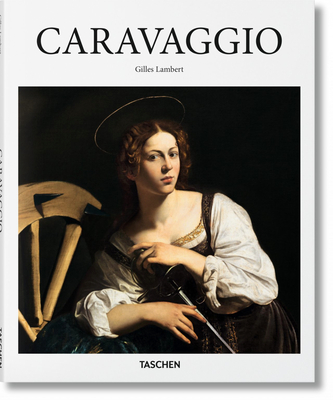
Caravaggio
KSh 3,250.00

Art
KSh 9,250.00

So Much Blue
KSh 1,800.00

Mamma Andersson
KSh 7,200.00
Lessons for Young Artists
KSh 2,700.00
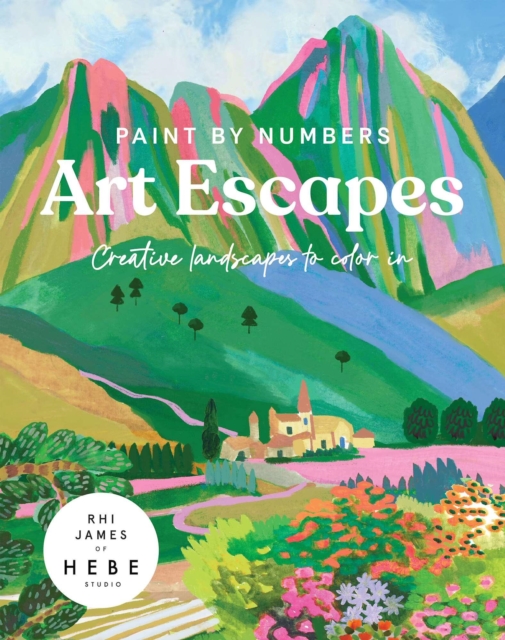
Paint by Numbers: Art Escapes
KSh 2,700.00

Jean-michel Basquiat
KSh 5,400.00

Lord of the Rings Sketchbook
KSh 3,750.00

Nat Tate
KSh 1,800.00
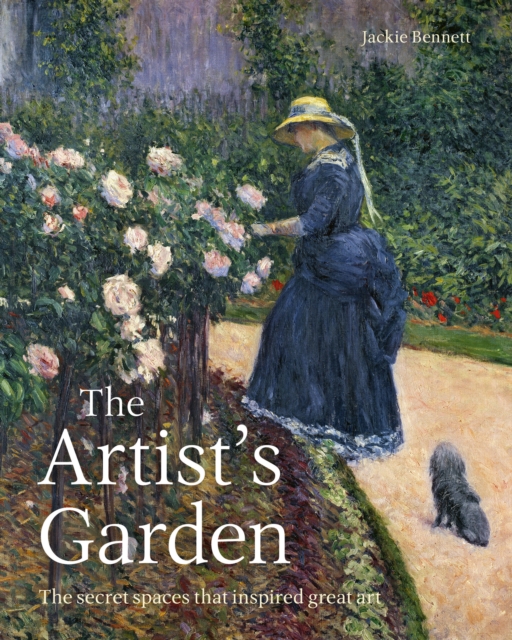
The Artist''s Garden
KSh 4,250.00