
Effect of Algal Biofilm and Operational Conditions on Nitrogen Removal in Waste Stabilization Ponds : UNESCO-IHE PhD Thesis
Book Details
Delivery Location
Delivery fee: Select location
Discharge of nutrient rich wastewater causes eutrophication of surface water; therefore wastewater treatment before discharge is required. Wastewater stabilization ponds are low cost technology used by developing countries but not effective in nitrogen removal due to low nitrifier biomass in the water column. Introduction of surface area for attachment of nitrifiers has therefore been proposed.
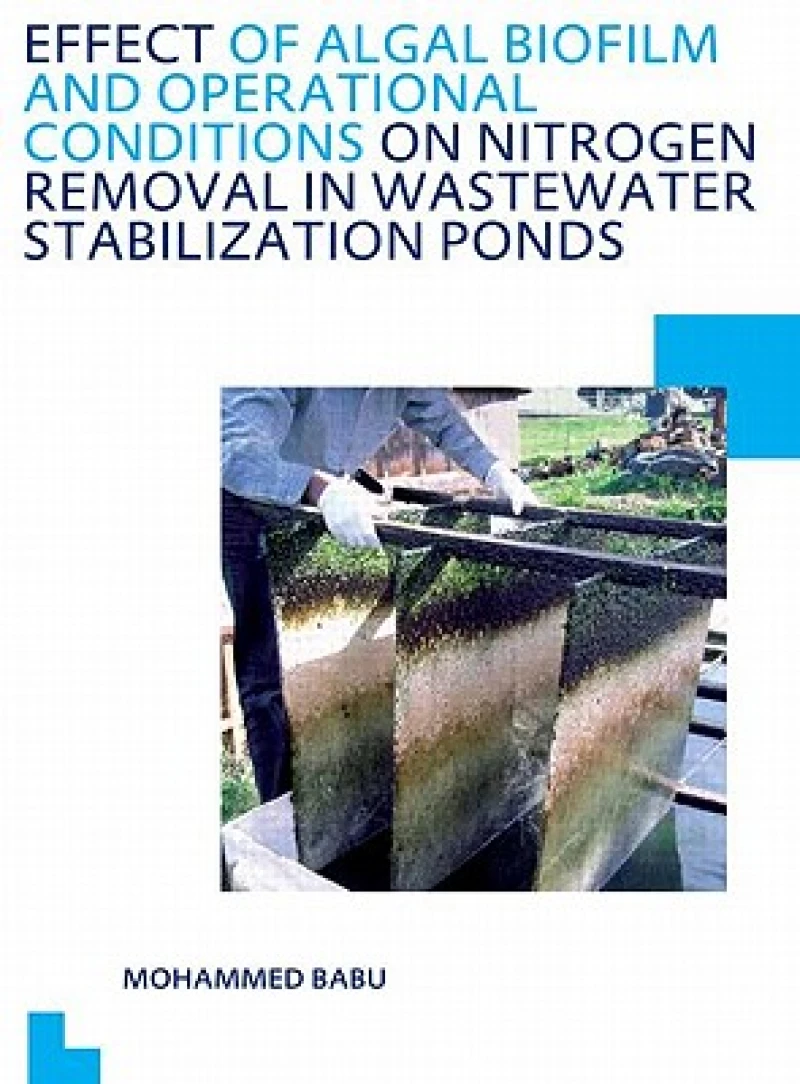
This thesis reports the performance of pilot scale wastewater stabilization ponds fitted with baffles. The effect of baffles on nitrogen removal under tropical and two operational conditions was investigated. Under TKN/BOD ratio of 0.67, the baffled ponds performed better in nitrogen removal than the control pond. Total nitrogen mass balances showed that nitrification-denitrification, algal uptake and sedimentation were principle nitrogen removal mechanisms in biofilm waste stabilization ponds
This study shows the potential of biofilms in improving nitrogen removal in wastewater stabilization ponds. The BOD and TSS concentrations were sufficiently low to permit for reuse in irrigation. If the objective is reuse and optimization of resources, the effluents from the ponds had sufficient nitrogen content for use in agriculture.
Get Effect of Algal Biofilm and Operational Conditions on Nitrogen Removal in Waste Stabilization Ponds by at the best price and quality guaranteed only at Werezi Africa's largest book ecommerce store. The book was published by Taylor & Francis Ltd and it has pages.

