
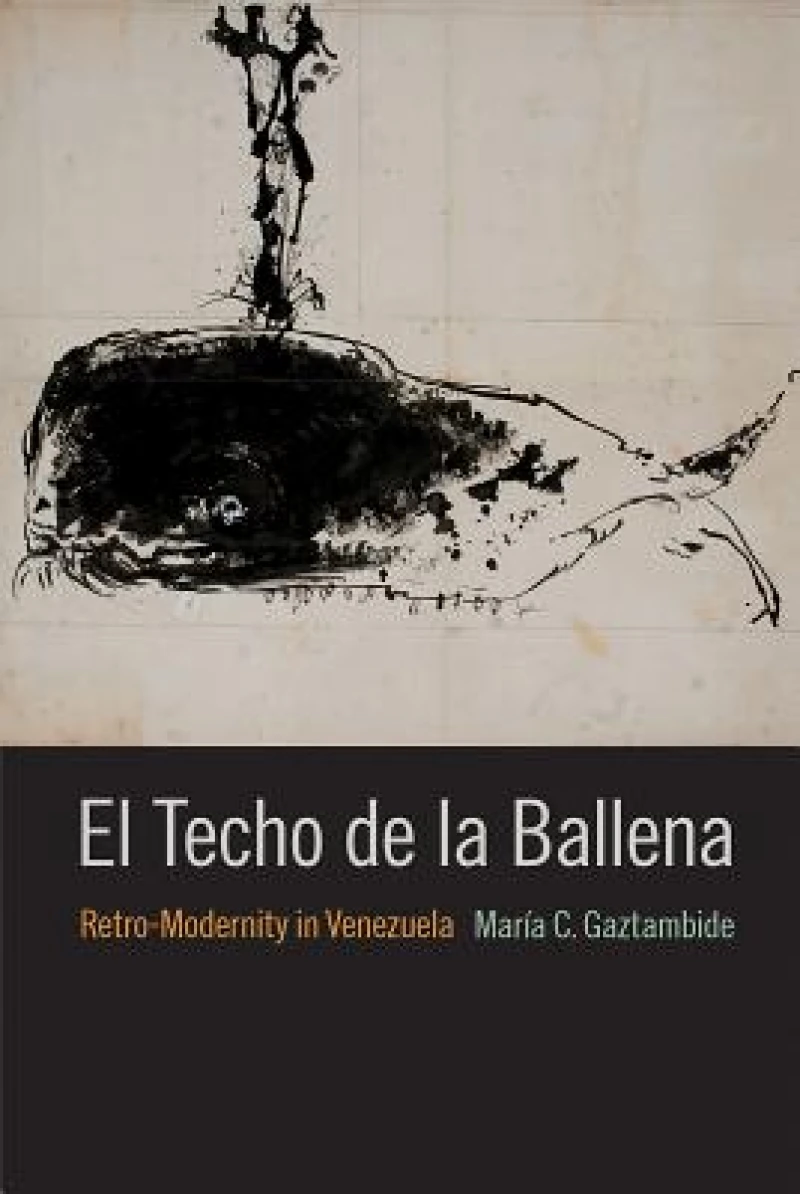
El Techo De La Ballena : Retro-Modernity in Venezuela
Book Details
Format
Hardback or Cased Book
ISBN-10
1683400704
ISBN-13
9781683400707
Publisher
University Press of Florida
Imprint
University Press of Florida
Country of Manufacture
US
Country of Publication
GB
Publication Date
Jan 30th, 2019
Print length
256 Pages
Weight
558 grams
Dimensions
23.10 x 15.70 x 2.00 cms
Ksh 12,250.00
Temporarily out of stock, due soon
0 in stock
Delivery Location
Delivery fee: Select location
Secure
Quality
Fast
The work of the 1960s Caracas-based art collective El Techo de la Ballena (The Roof of the Whale) was called “subversive” and “art terrorism” and seen as a threat to Venezuela's national image as an emerging industrial power. This volume details the historical and social contexts that shaped the collective, exploring its anti-art aesthetic.
The work of the 1960s Caracas-based art collective El Techo de la Ballena (The Roof of the Whale) was called ""subversive"" and ""art terrorism"" and seen as a threat to Venezuela’s national image as an emerging industrial power. This volume details the historical and social contexts that shaped the collective, exploring how its anti-art aesthetic highlighted the shortcomings of the country’s newfound oil wealth and transition to democracy.
Every element used by these radicalized artists in their avant-garde exhibitions?from Informalist canvases to torn book pages and kitsch objects to cattle carcasses and scatological content?issued a critique of Venezuela’s petroleum-driven capitalism and the profound inequality left in its wake. Embracing chaos, the artists contradicted the country’s politically sanctioned view of modernity, which championed constant progress in the visual arts and favored geometric abstraction and kinetic art. El Techo''s was a backward?a retrograde?modernity, argues María Gaztambide, discussing how its artists turned against the norm by incorporating anachronistic postures, primeval symbols, colonial Latin American print culture, and ""guerilla"" art tactics.
Artists in this group tested limits to provoke what they saw as a numbed local public through shocking displays of criticism and frustration. Today, as Venezuela undergoes another dramatic series of sociopolitical changes, El Techo de la Ballena serves as a reminder of the power of art in resisting the status quo and effecting change in society.
Every element used by these radicalized artists in their avant-garde exhibitions?from Informalist canvases to torn book pages and kitsch objects to cattle carcasses and scatological content?issued a critique of Venezuela’s petroleum-driven capitalism and the profound inequality left in its wake. Embracing chaos, the artists contradicted the country’s politically sanctioned view of modernity, which championed constant progress in the visual arts and favored geometric abstraction and kinetic art. El Techo''s was a backward?a retrograde?modernity, argues María Gaztambide, discussing how its artists turned against the norm by incorporating anachronistic postures, primeval symbols, colonial Latin American print culture, and ""guerilla"" art tactics.
Artists in this group tested limits to provoke what they saw as a numbed local public through shocking displays of criticism and frustration. Today, as Venezuela undergoes another dramatic series of sociopolitical changes, El Techo de la Ballena serves as a reminder of the power of art in resisting the status quo and effecting change in society.
Get El Techo De La Ballena by at the best price and quality guaranteed only at Werezi Africa's largest book ecommerce store. The book was published by University Press of Florida and it has pages.

