

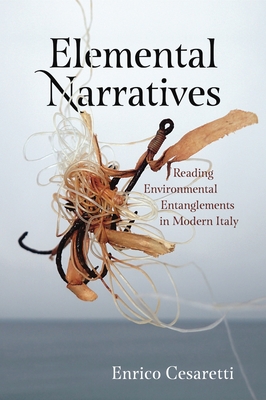
Elemental Narratives : Reading Environmental Entanglements in Modern Italy
Book Details
Format
Paperback / softback
Book Series
AnthropoScene
ISBN-10
0271087749
ISBN-13
9780271087740
Publisher
Pennsylvania State University Press
Imprint
Pennsylvania State University Press
Country of Manufacture
GB
Country of Publication
GB
Publication Date
Dec 2nd, 2025
Print length
264 Pages
Weight
459 grams
Dimensions
22.90 x 15.20 x 1.90 cms
Product Classification:
Literature: history & criticismEnvironmental archaeology
KSh 5,600.00
Currently unavailable
0 in stock
Delivery Location
Delivery fee: Select location
Secure
Quality
Fast
Over the past century, the Italian landscape has undergone exceedingly rapid transformations, shifting from a mostly rural environment to a decidedly modern world. This changing landscape is endowed with a narrative agency that transforms how we understand our surroundings. Situated at the juncture of Italian studies and ecocriticism and following the recent “material turn” in the environmental humanities, Elemental Narratives outlines an original cultural and environmental map of the bel paese. Giving equal weight to readings of fiction, nonfiction, works of visual art, and physical sites, Enrico Cesaretti investigates the interconnected stories emerging from both human creativity and the expressive eloquence of “glocal” materials, such as sulfur, petroleum, marble, steel, and asbestos, that have helped make and, simultaneously, “un-make” today’s Italy, affecting its socio-environmental health in multiple ways. Embracing the idea of a decentralized agency that is shared among human and nonhuman entities, Cesaretti suggests that engaging with these entangled discursive and material texts is a sound and revealing ecocritical practice that promises to generate new knowledge and more participatory, affective responses to environmental issues, both in Italy and elsewhere. Ultimately, he argues that complementing quantitative, data-based information with insights from fiction and nonfiction, the arts, and other humanistic disciplines is both desirable and crucial if we want to modify perceptions and attitudes, increase our awareness and understanding, and, in turn, develop more sustainable worldviews in the era of the Anthropocene. Elegantly written and convincingly argued, this book will appeal broadly to scholars and students working in the fields of environmental studies, comparative literatures, ecocriticism, environmental history, and Italian studies.
Get Elemental Narratives by Enrico Cesaretti at the best price and quality guaranteed only at Werezi Africa's largest book ecommerce store. The book was published by Pennsylvania State University Press and it has 264 pages.
Customers Who Bought This Also Bought
On Freedom
KSh 2,350.00

The Origin of Others
KSh 3,600.00
There Are Places in the World Where Rules Are Less Important Than Kindness
KSh 3,600.00

Amazing Peace
KSh 3,050.00
Lewis Carroll and "Alice" on Stage
KSh 9,350.00
There Are Places in the World Where Rules Are Less Important Than Kindness
KSh 2,350.00
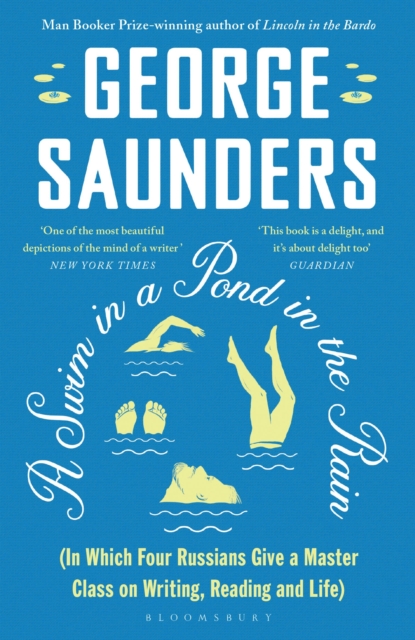
Swim in a Pond in the Rain
KSh 2,000.00

The Obscene Bird of Night – unabridged, centennial edition
KSh 3,050.00

I''m Not Here to Give a Speech
KSh 1,800.00
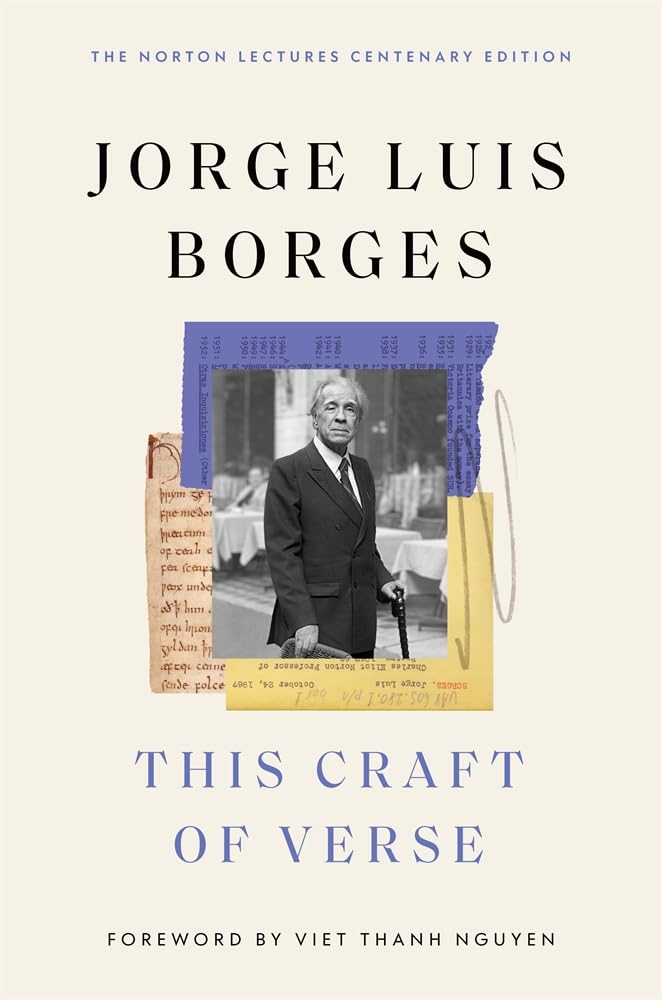
This Craft of Verse
KSh 3,600.00

On Great Writing (On the Sublime)
KSh 2,000.00

The Naked Eye
KSh 2,350.00
More by Enrico Cesaretti
More in This Genre
On Freedom
KSh 2,350.00
The Origin of Others
KSh 3,600.00
There Are Places in the World Where Rules Are Less Important Than Kindness
KSh 3,600.00
Amazing Peace
KSh 3,050.00
Lewis Carroll and "Alice" on Stage
KSh 9,350.00
There Are Places in the World Where Rules Are Less Important Than Kindness
KSh 2,350.00
