
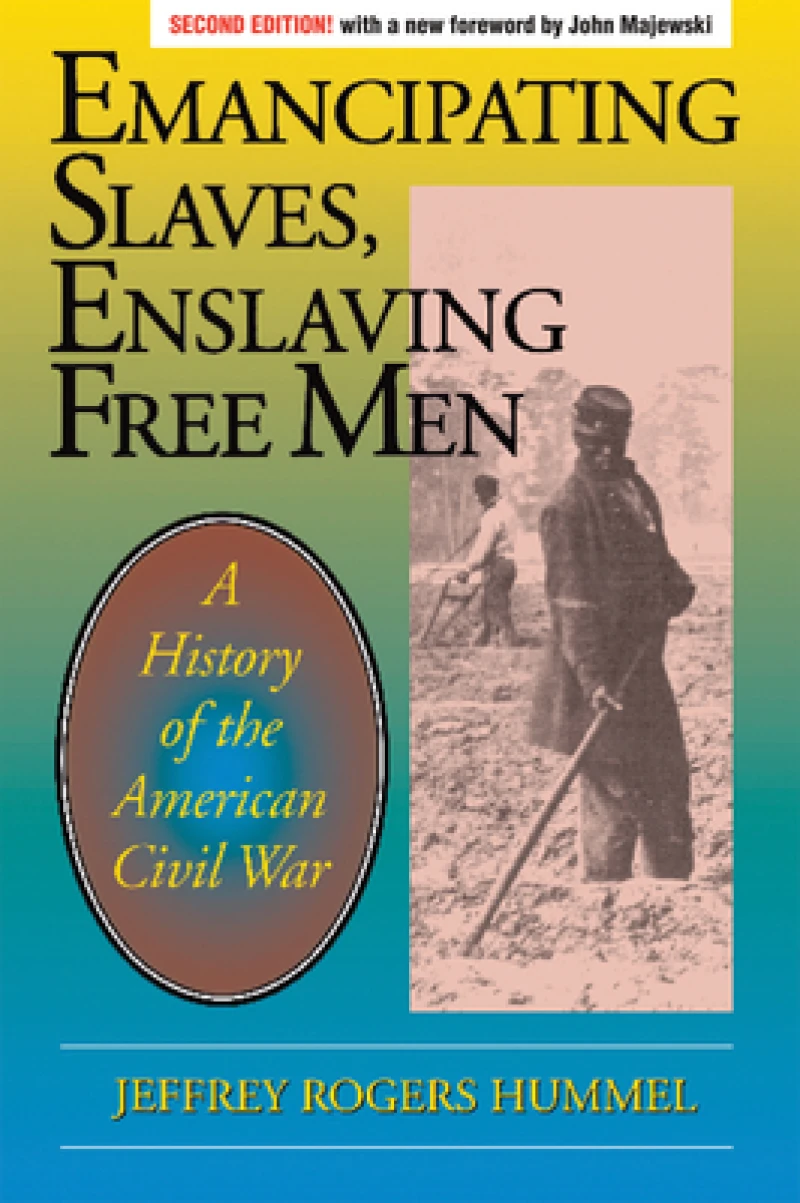
Emancipating Slaves, Enslaving Free Men : A History of the American Civil War
Second Edition
Book Details
Format
Paperback / Softback
ISBN-10
0812698436
ISBN-13
9780812698435
Edition
Second Edition
Publisher
Cricket Books, a division of Carus Publishing Co
Imprint
Cricket Books, a division of Carus Publishing Co
Country of Manufacture
GB
Country of Publication
GB
Publication Date
Dec 26th, 2013
Print length
448 Pages
Weight
609 grams
Product Classification:
History of the AmericasHistory of the Americas
Ksh 3,950.00
Werezi Extended Catalogue
0 in stock
Delivery Location
Delivery fee: Select location
Secure
Quality
Fast
This book combines a sweeping narrative of the Civil War with a bold new look at the war’s significance for American society. Professor Hummel sees the Civil War as America’s turning point: simultaneously the culmination and repudiation of the American revolution.
Chapters tell the story of the Civil War, discussing the issues raised in readable prose, each followed by a detailed bibliographical essay, looking at the different major works on the subject with varying ideological viewpoints and conclusions.
In his economic analysis of slavery, Professor Hummel takes a different view. While some writers claim that slavery was unprofitable and harmful to the Southern economy, and others maintain it was profitable and efficient for the South, Hummel uses the economic concept of ''Deadweight Loss'' to show that slavery was both highly profitable for slave owners and harmful to Southern economic development.
While highly critical of Confederate policy, Hummel argues that the war was fought to prevent secession, not to end slavery, and that preservation of the Union was not necessary to end slavery arguing that the South crucially relied on the Northern states to return runaway slaves to their owners.
Chapters tell the story of the Civil War, discussing the issues raised in readable prose, each followed by a detailed bibliographical essay, looking at the different major works on the subject with varying ideological viewpoints and conclusions.
In his economic analysis of slavery, Professor Hummel takes a different view. While some writers claim that slavery was unprofitable and harmful to the Southern economy, and others maintain it was profitable and efficient for the South, Hummel uses the economic concept of ''Deadweight Loss'' to show that slavery was both highly profitable for slave owners and harmful to Southern economic development.
While highly critical of Confederate policy, Hummel argues that the war was fought to prevent secession, not to end slavery, and that preservation of the Union was not necessary to end slavery arguing that the South crucially relied on the Northern states to return runaway slaves to their owners.
Get Emancipating Slaves, Enslaving Free Men by at the best price and quality guaranteed only at Werezi Africa's largest book ecommerce store. The book was published by Cricket Books, a division of Carus Publishing Co and it has pages.

