
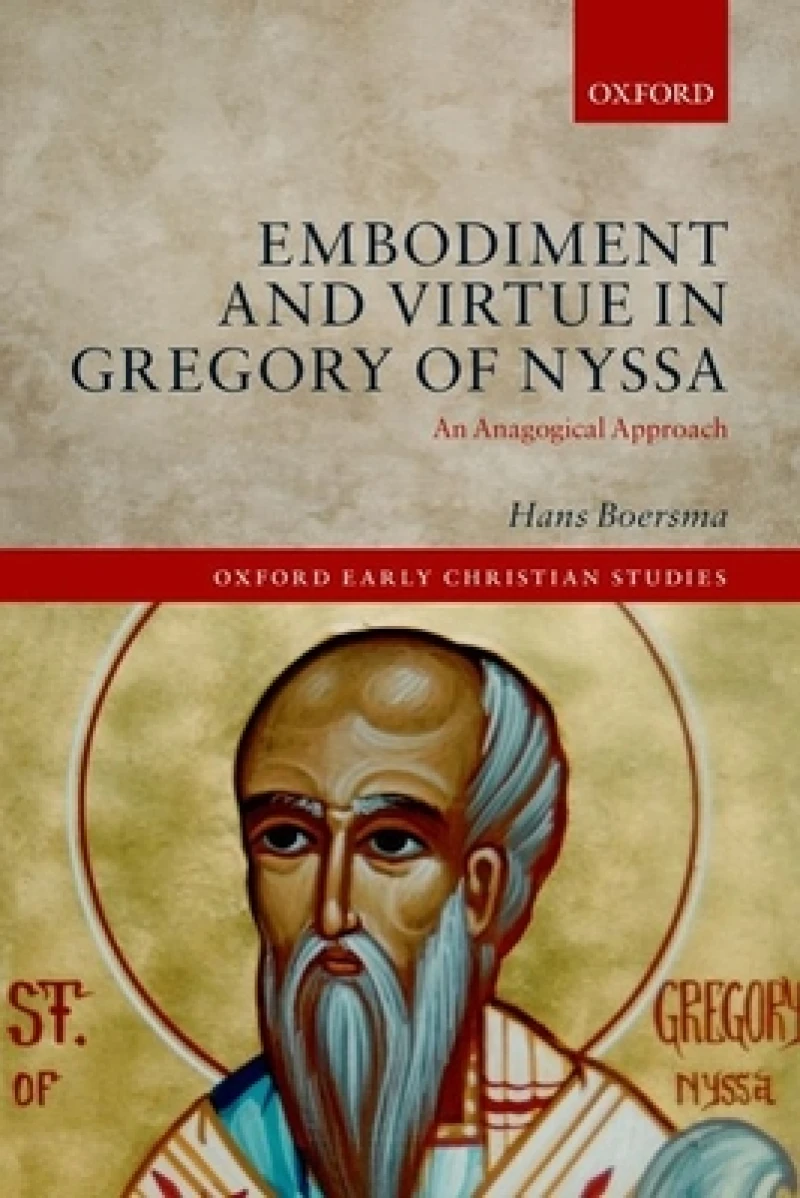
Embodiment and Virtue in Gregory of Nyssa : An Anagogical Approach
by
Hans Boersma
Book Details
Format
Paperback / Softback
Book Series
Oxford Early Christian Studies
ISBN-10
0198728239
ISBN-13
9780198728238
Publisher
Oxford University Press
Imprint
Oxford University Press
Country of Manufacture
GB
Country of Publication
GB
Publication Date
Mar 12th, 2015
Print length
304 Pages
Weight
470 grams
Dimensions
23.50 x 15.60 x 2.30 cms
Product Classification:
The Early ChurchChristian theologyChristian spirituality & religious experience
Ksh 9,650.00
Manufactured on Demand
0 in stock
Delivery Location
Delivery fee: Select location
Secure
Quality
Fast
Embodiment in the theology of Gregory of Nyssa is a much-debated topic. Hans Boersma argues that this-worldly realities of time and space, which include embodiment, are not the focus of Gregory's theology. Instead, Boersma suggests, the key to Gregory's theology is anagogy-going upward in order to participate in the life of God.
Embodiment in the theology of Gregory of Nyssa is a much-debated topic. Hans Boersma argues that this-worldly realities of time and space, which include embodiment, are not the focus of Gregory''s theology. Instead, embodiment plays a distinctly subordinate role. The key to his theology, Boersma suggests, is anagogy, going upward in order to participate in the life of God.This book looks at a variety of topics connected to embodiment in Gregory''s thought: time and space; allegory; gender, sexuality, and virginity; death and mourning; slavery, homelessness, and poverty; and the church as the body of Christ. In each instance, Boersma maintains, Gregory values embodiment only inasmuch as it enables us to go upward in the intellectual realm of the heavenly future.Boersma suggests that for Gregory embodiment and virtue serve the anagogical pursuit of otherworldly realities. Countering recent trends in scholarship that highlight Gregory''s appreciation of the goodness of creation, this book argues that Gregory looks at embodiment as a means for human beings to grow in virtue and so to participate in the divine life.It is true that, as a Christian thinker, Gregory regards the creator-creature distinction as basic. But he also works with the distinction between spirit and matter. And Nyssen is convinced that in the hereafter the categories of time and space will disappear-while the human body will undergo an inconceivable transformation. This book, then, serves as a reminder of the profoundly otherworldly cast of Gregory''s theology.
Get Embodiment and Virtue in Gregory of Nyssa by at the best price and quality guaranteed only at Werezi Africa's largest book ecommerce store. The book was published by Oxford University Press and it has pages.

