
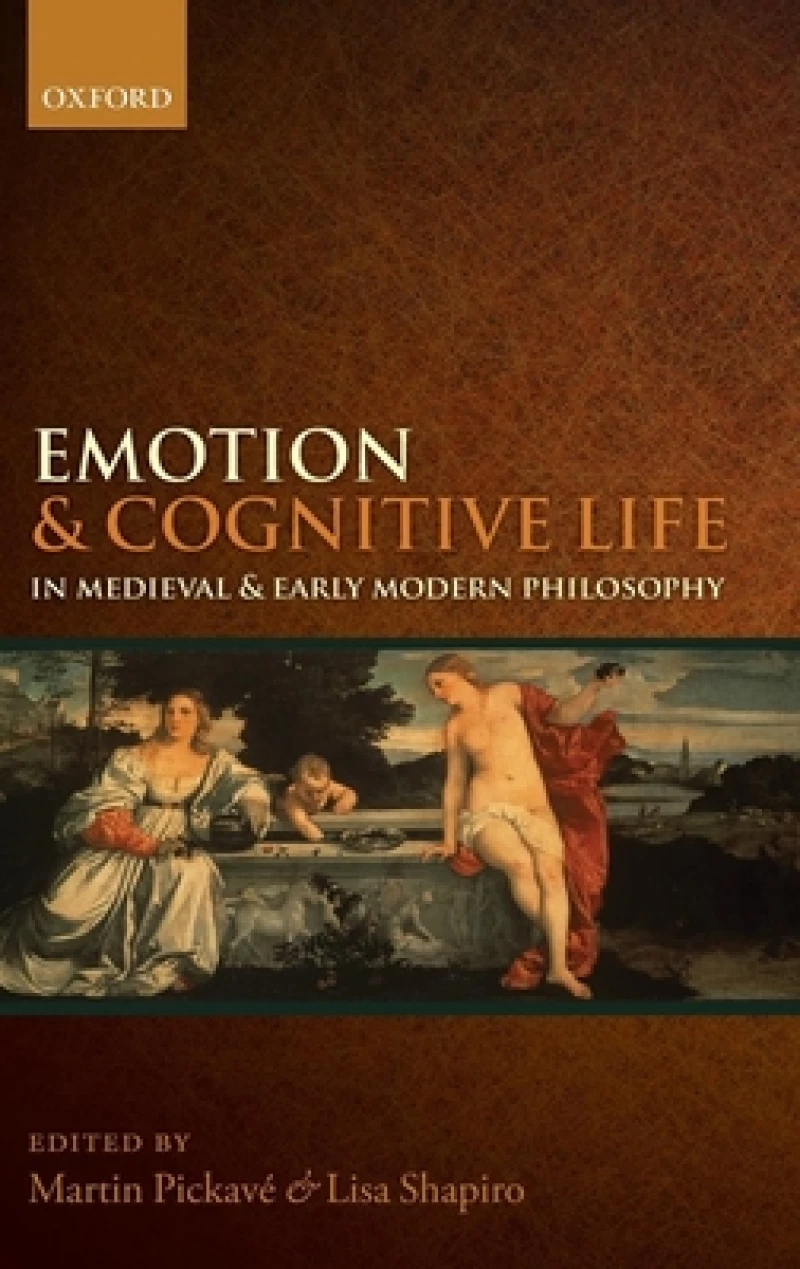
Emotion and Cognitive Life in Medieval and Early Modern Philosophy
Book Details
Format
Hardback or Cased Book
ISBN-10
0199579911
ISBN-13
9780199579914
Publisher
Oxford University Press
Imprint
Oxford University Press
Country of Manufacture
GB
Country of Publication
GB
Publication Date
Oct 4th, 2012
Print length
296 Pages
Weight
596 grams
Dimensions
24.00 x 16.30 x 2.10 cms
Product Classification:
History of Western philosophyPhilosophy of mindEthics & moral philosophyPsychology: emotions
Ksh 19,550.00
Manufactured on Demand
0 in stock
Delivery Location
Delivery fee: Select location
Secure
Quality
Fast
This volume explores emotion in medieval and early modern thought, and opens a contemporary debate on the way emotions figure in our cognitive lives. Thirteen original essays explore the key themes of emotion within the mind; the intentionality of emotions; emotions and action; and the role of emotion in self-understanding and social situations.
This volume offers a much needed shift of focus in the study of emotion in the history of philosophy. Discussion has tended to focus on the moral relevance of emotions, and (except in ancient philosophy) the role of emotions in cognitive life has received little attention. Thirteen new essays investigate the continuities between medieval and early modern thinking about the emotions, and open up a contemporary debate on the relationship between emotions, cognition, and reason, and the way emotions figure in our own cognitive lives. A team of leading philosophers of the medieval, renaissance, and early modern periods explore these ideas from the point of view of four key themes: the situation of emotions within the human mind; the intentionality of emotions and their role in cognition; emotions and action; the role of emotion in self-understanding and the social situation of individuals.
Get Emotion and Cognitive Life in Medieval and Early Modern Philosophy by at the best price and quality guaranteed only at Werezi Africa's largest book ecommerce store. The book was published by Oxford University Press and it has pages.

