Emotional Labor : The Origin, Development, and Future of a Key Concept
Book Details
Format
Hardback
Book Series
Elements in Histories of Emotions and the Senses
ISBN-10
1009616293
ISBN-13
9781009616294
Publisher
Cambridge University Press
Imprint
Cambridge University Press
Country of Manufacture
GB
Country of Publication
GB
Publication Date
Jul 23rd, 2026
Print length
82 Pages
Weight
255 grams
KSh 10,050.00
Currently unavailable
0 in stock
Delivery Location
Delivery fee: Select location
Secure
Quality
Fast
In post-industrial economies, service-based jobs now outnumber manufacturing jobs. Analyzing these changes critically, Arlie Hochschild developed the term 'emotional labor' to refer to the new forms of labor expected in the service sector. This Element traces the term's origin, scholarly development, popular uses, and future possibilities.
In post-industrial economies, service-based jobs now outnumber manufacturing jobs. Analyzing these changes critically, Arlie Hochschild developed the term 'emotional labor' to refer to the new forms of labor expected in the service sector. She saw the emotional constraints that commercial interests place on workers as part of capitalism's increasing encroachment on our bodies, minds, and hearts. Since her original research, there has been an explosion of interest in studying emotional labor in all manner of jobs and social roles. Empirical studies have explored the connections between emotional labor and job outcomes, as well as the relationship to social class, gender, and race. The term has struck a nerve not only with work scholars, but the public more broadly. This Element traces the term's origin, scholarly development, popular uses, and future possibilities.
Get Emotional Labor by Marci D. Cottingham at the best price and quality guaranteed only at Werezi Africa's largest book ecommerce store. The book was published by Cambridge University Press and it has 82 pages.
Customers Who Bought This Also Bought

What Should I Do With My Life?
KSh 3,400.00

The Reverse Centaur's Guide to Life After AI
KSh 3,050.00

The Unfair Advantage
KSh 2,000.00

Chokepoint Capitalism
KSh 2,000.00
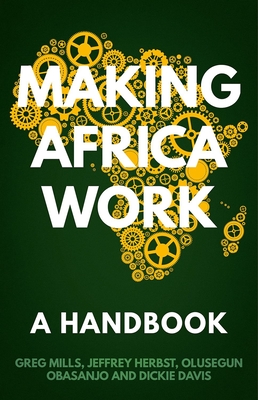
Making Africa Work
KSh 4,500.00
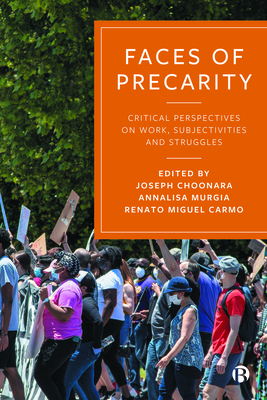
Faces of Precarity – Critical Perspectives on Work , Subjectivities and Struggles
KSh 13,150.00

Uncommon People
KSh 2,700.00
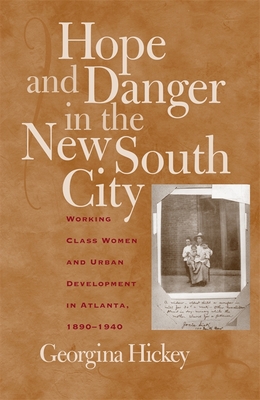
Hope and Danger in the New South City
KSh 7,500.00
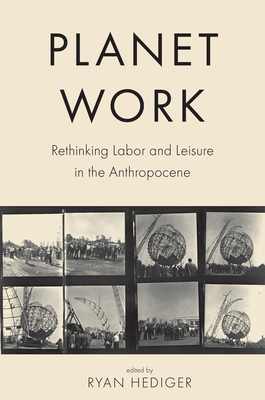
Planet Work – Rethinking Labor and Leisure in the Anthropocene
KSh 22,300.00

Making Freedom Pay
KSh 5,750.00

Victory at Home
KSh 6,000.00

Glass Ceilings and 100-Hour Couples
KSh 5,050.00