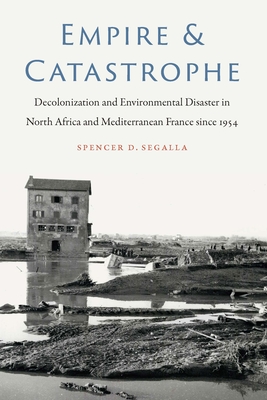
Empire and Catastrophe : Decolonization and Environmental Disaster in North Africa and Mediterranean France Since 1954
Book Details
Format
Hardback
ISBN-10
1496219635
ISBN-13
9781496219633
Publisher
University of Nebraska Press
Imprint
University of Nebraska Press
Country of Manufacture
GB
Country of Publication
GB
Publication Date
May 1st, 2021
Print length
277 Pages
Product Classification:
European historyAfrican historyNatural disastersEnvironmental science, engineering & technology
KSh 9,350.00
Currently unavailable
0 in stock
Delivery Location
Delivery fee: Select location
Secure
Quality
Fast
Empire and Catastrophe examines natural and anthropogenic disasters during the years of decolonization in Algeria, Morocco, and France and explores how environmental catastrophes both shaped and were shaped by struggles over the dissolution of France’s empire in North Africa. Four disasters make up the core of the book: the 1954 earthquake in Algeria’s Chélif Valley, just weeks before the onset of the Algerian Revolution; a mass poisoning in Morocco in 1959 caused by toxic substances from an American military base; the 1959 Malpasset Dam collapse in Fréjus, France, which devastated the town’s Algerian immigrant community but which was blamed on Algerian sabotage; and the 1960 earthquake in Agadir, Morocco, which set off a public relations war between the United States, France, and the Soviet Union and which ignited a Moroccan national debate over modernity, identity, architecture, and urban planning. Interrogating distinctions between agent and environment and between political and environmental violence through the lenses of state archives and through the remembered experiences and literary representations of disaster survivors, Spencer D. Segalla argues for the integration of environmental events into narratives of political and cultural decolonization.
Get Empire and Catastrophe by Spencer D. Segalla at the best price and quality guaranteed only at Werezi Africa's largest book ecommerce store. The book was published by University of Nebraska Press and it has 277 pages.
Customers Who Bought This Also Bought
Age of Revolutions
KSh 2,350.00

Eichmann in Jerusalem
KSh 2,350.00

Trouble With Being Born
KSh 2,000.00

Hiroshima
KSh 2,000.00

Freedom
KSh 6,300.00
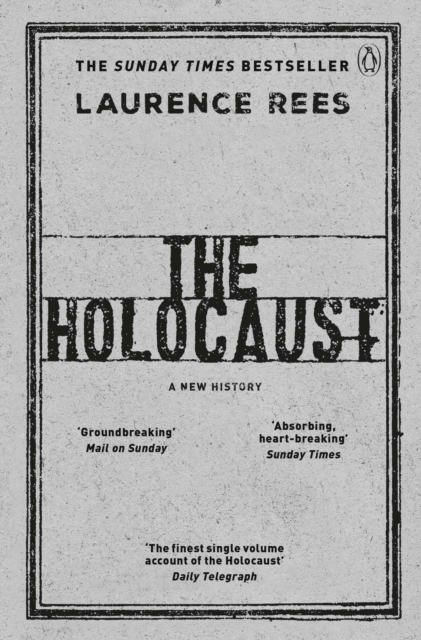
Holocaust
KSh 2,700.00
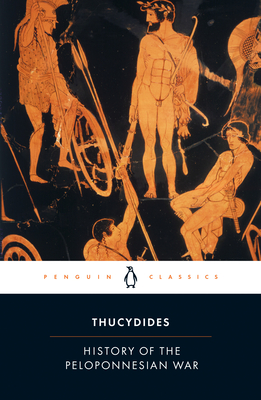
The History of the Peloponnesian War
KSh 2,700.00
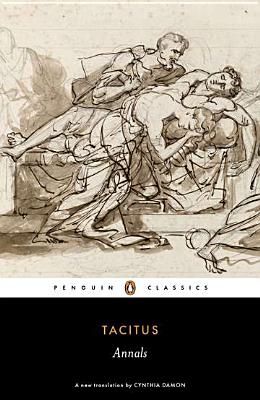
Annals
KSh 2,350.00
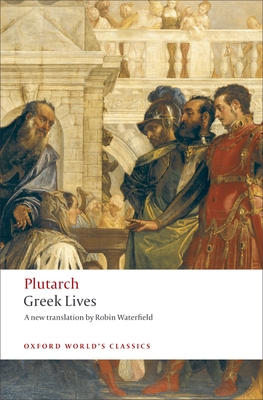
Greek Lives
KSh 2,150.00

Sleepwalkers
KSh 3,400.00

Napoleon The Great
KSh 3,600.00
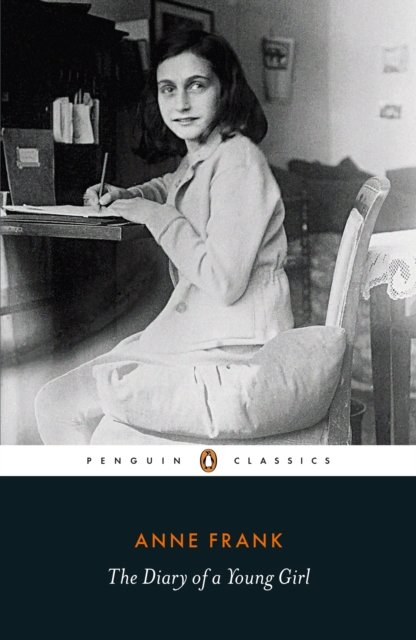
Diary of a Young Girl
KSh 1,800.00