
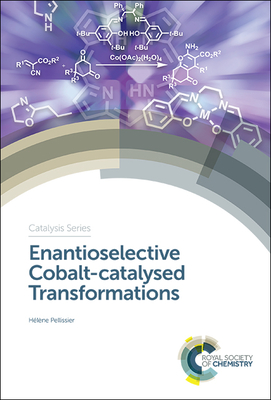
Enantioselective Cobalt-catalysed Transformations
Book Details
Format
Hardback
Book Series
Catalysis Series
ISBN-10
1788014626
ISBN-13
9781788014625
Publisher
Royal Society of Chemistry
Imprint
Royal Society of Chemistry
Country of Manufacture
GB
Country of Publication
GB
Publication Date
Aug 22nd, 2018
Print length
224 Pages
Weight
506 grams
Dimensions
16.50 x 24.10 x 1.40 cms
Product Classification:
Organic chemistryCatalysis
KSh 22,150.00
Currently unavailable
0 in stock
Delivery Location
Delivery fee: Select location
Secure
Quality
Fast
With a foreword from leading organic chemist Professor Paul Wender this book collects the major developments reported in the past thirty years in the field of enantioselective reactions promoted by chiral cobalt catalysts.
With a foreword from leading organic chemist Professor Paul Wender, this book collects the major developments reported in the past thirty years in the field of enantioselective reactions promoted by chiral cobalt catalysts, illustrating the power of these green catalysts to provide all types of organic reactions from the basic to completely novel methodologies. The search for new methodologies to prepare optically pure products is one of the most active areas of research in organic synthesis. Of the methods available for preparing chiral compounds, catalytic asymmetric synthesis has attracted the most attention. In particular, asymmetric transition-metal catalysis is a powerful tool for performing reactions in a highly enantioselective fashion. Efforts to develop new asymmetric transformations have previously focused on the use of rare metals such as titanium, palladium, iridium and gold. However, the ever-growing need for environmentally friendly catalytic processes has prompted chemists to focus on the more abundant and less toxic first-row transition metals, such as cobalt, to develop new catalytic systems. The ability of cobalt catalysts to adopt unexpected reaction pathways has led to an impressive number of enantioselective cobalt-promoted transformations being developed over the past three decades. These have included the synthesis of many different types of products, often under relatively mild conditions and with remarkable enantioselectivities. This book is a useful reference resource for chemists, both academic and industrial, working in organic synthesis and interested in greener or more economical catalytic alternatives.
Get Enantioselective Cobalt-catalysed Transformations by Hélène Pellissier at the best price and quality guaranteed only at Werezi Africa's largest book ecommerce store. The book was published by Royal Society of Chemistry and it has 224 pages.
Customers Who Bought This Also Bought
Organic Chemistry
KSh 18,150.00
Organic Chemistry with Biological Applications
KSh 18,050.00

Chemoenzymatic Synthesis of Natural Products and Complex Small Molecules
KSh 37,600.00

My Behaviour and Emotions; Advent Calendar
KSh 3,600.00
Signposts to Chiral Drugs
KSh 23,400.00
Allelopathy
KSh 32,400.00

Advances in Organometallic Chemistry
KSh 28,850.00

Advances in Pectin and Pectinase Research
KSh 45,000.00

Carbon Catalysis
KSh 10,800.00

Living in a Seasonal World
KSh 32,400.00

Structure and Health Effects of Natural Products on Diabetes Mellitus
KSh 21,600.00

Ligand Coupling Reactions with Heteroatomic Compounds
KSh 23,400.00
More by Hélène Pellissier
Enantioselective Nickel-catalysed Transformations
KSh 30,400.00
Enantioselective Titanium-Catalysed Transformations
KSh 17,650.00
Organocatalytic Dynamic Kinetic Resolution
KSh 22,150.00
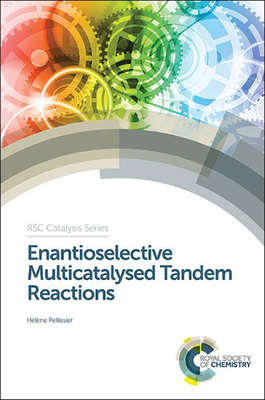
Enantioselective Multicatalysed Tandem Reactions
KSh 26,100.00
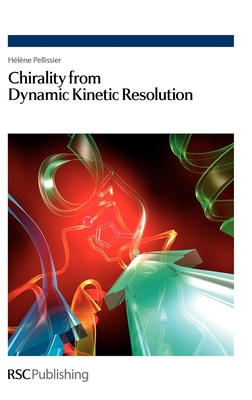
Chirality from Dynamic Kinetic Resolution
KSh 18,000.00
Asymmetric Domino Reactions
KSh 28,800.00
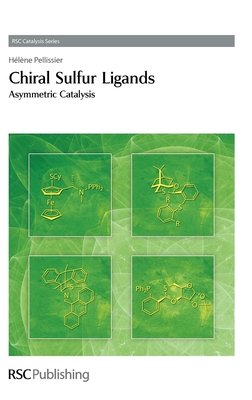
Chiral Sulfur Ligands
KSh 25,200.00
Asymmetric Synthesis of 3,3-Disubstituted Oxindoles
KSh 21,600.00
Recent Developments in Asymmetric Organocatalysis
KSh 21,950.00
More in This Genre
Organic Chemistry
KSh 18,150.00
Organic Chemistry with Biological Applications
KSh 18,050.00
Chemoenzymatic Synthesis of Natural Products and Complex Small Molecules
KSh 37,600.00
My Behaviour and Emotions; Advent Calendar
KSh 3,600.00
Signposts to Chiral Drugs
KSh 23,400.00
Allelopathy
KSh 32,400.00
