
Search

Categories

    • categories-img Jacket, Women
    • categories-img Woolend Jacket
    • categories-img Western denim
    • categories-img Mini Dresss
    • categories-img Jacket, Women
    • categories-img Woolend Jacket
    • categories-img Western denim
    • categories-img Mini Dresss
    • categories-img Jacket, Women
    • categories-img Woolend Jacket
    • categories-img Western denim
    • categories-img Mini Dresss
    • categories-img Jacket, Women
    • categories-img Woolend Jacket
    • categories-img Western denim
    • categories-img Mini Dresss
    • categories-img Jacket, Women
    • categories-img Woolend Jacket
    • categories-img Western denim
    • categories-img Mini Dresss

Filter By Price

$
-
$

Dietary Needs

Top Rated Product

product-img product-img

Modern Chair

$165.00
product-img product-img

Plastic Chair

$165.00
product-img product-img

Design Rooms

$165.00

Brands

  • Wooden
  • Chair
  • Modern
  • Fabric
  • Shoulder
  • Winter
  • Accessories
  • Dress

Welcome and thank you for visiting us. For any query call us on 0799 626 359 or Email [email protected]

Offcanvas Menu Open

Shopping Cart

Africa largest book store

Sub Total:

Search for any Title

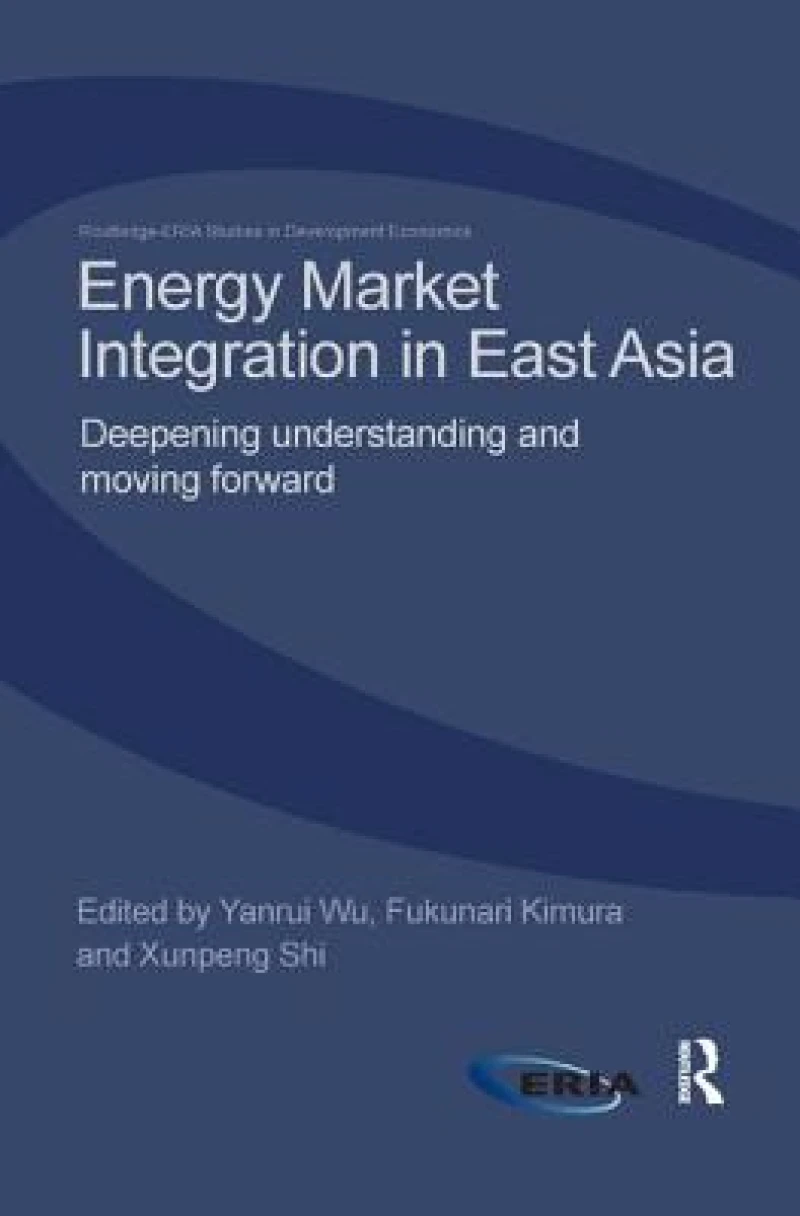
Energy Market Integration in East Asia : Deepening Understanding and Moving Forward

By: (Edited by) Fukunari Kimura , (Edited by) Xunpeng Shi , (Edited by) Yanrui Wu

Werezi Extended Catalogue
Delivery in 34 days

Ksh 8,300.00

Format: Paperback / Softback

ISBN-10: 1138918091

ISBN-13: 9781138918092

Series: Routledge-ERIA Studies in Development Economics

Publisher: Taylor & Francis Ltd

Imprint: Routledge

Country of Manufacture: GB

Country of Publication: GB

Publication Date: Jun 28th, 2018

Print length: 216 Pages

Weight: 400 grams

Choose your Location

Shipping & Delivery

Door Delivery

Delivery fee

Delivery in 34 days

  • Description

  • Reviews

East Asian nations through the dialogue between ASEAN and its partners have been promoting energy market integration (EMI) for a decade. The formation of the East Asian Summit (EAS) group in 2005 adds new momentum to the EMI course in the region. The objective of this edited volume is to present new insights into the understanding of EMI in East Asia and draw implications for further development. This book is the first publication of its kind exclusively focusing on EMI in East Asia. The chapters are written by a distinguished group of specialists in the field of energy policy, business and economics. The covered topics range from the general debates about EMI to regional policy responses. A variety of qualitative and quantitative methods are employed in this book. For qualitative methods, public goods theory and the comparative study method are two examples. The quantitative methods include economic growth theory, principle component approach, input-output table, computable general equilibrium (CGE) models and econometric techniques. Important policy implications can be drawn from the findings. One clear message is that EMI should be promoted actively but in a gradual, incremental manner. Other policy implications are related to inter-regional governance, infrastructure development and gas market integration. The content has not been published elsewhere and hence makes a unique contribution to the literature. There are also case studies of specific energy sectors such as petroleum and natural gas. Overall this book should be of interest to a wide audience such as academia, business analysts and policy makers.

East Asian nations through the dialogue between ASEAN and its partners have been promoting energy market integration (EMI) for a decade. The formation of the East Asian Summit (EAS) group in 2005 adds new momentum to the EMI course in the region. The objective of this edited volume is to present new insights into the understanding of EMI in East Asia and draw implications for further development. This book is the first publication of its kind exclusively focusing on EMI in East Asia.

The chapters are written by a distinguished group of specialists in the field of energy policy, business and economics. The covered topics range from the general debates about EMI to regional policy responses. A variety of qualitative and quantitative methods are employed in this book. For qualitative methods, public goods theory and the comparative study method are two examples. The quantitative methods include economic growth theory, principle component approach, input-output table, computable general equilibrium (CGE) models and econometric techniques. Important policy implications can be drawn from the findings. One clear message is that EMI should be promoted actively but in a gradual, incremental manner. Other policy implications are related to inter-regional governance, infrastructure development and gas market integration.

The content has not been published elsewhere and hence makes a unique contribution to the literature. There are also case studies of specific energy sectors such as petroleum and natural gas. Overall this book should be of interest to a wide audience such as academia, business analysts and policy makers.


Get Energy Market Integration in East Asia by at the best price and quality guranteed only at Werezi Africa largest book ecommerce store. The book was published by Taylor & Francis Ltd and it has pages. Enjoy Shopping Best Offers & Deals on books Online from Werezi - Receive at your doorstep - Fast Delivery - Secure mode of Payment

Customer Reviews

Based on 0 reviews

Mind, Body, & Spirit
