
Book Details
Format
Paperback / Softback
ISBN-10
0199270740
ISBN-13
9780199270743
Edition
Revised
Publisher
Oxford University Press
Imprint
Oxford University Press
Country of Manufacture
GB
Country of Publication
GB
Publication Date
Feb 19th, 2004
Print length
492 Pages
Weight
712 grams
Dimensions
23.50 x 15.80 x 2.80 cms
Product Classification:
Political economyEconomic historyPublic ownership / nationalizationEnergy industries & utilities
Ksh 10,150.00
Manufactured on Demand
0 in stock
Delivery Location
Delivery fee: Select location
Secure
Quality
Fast
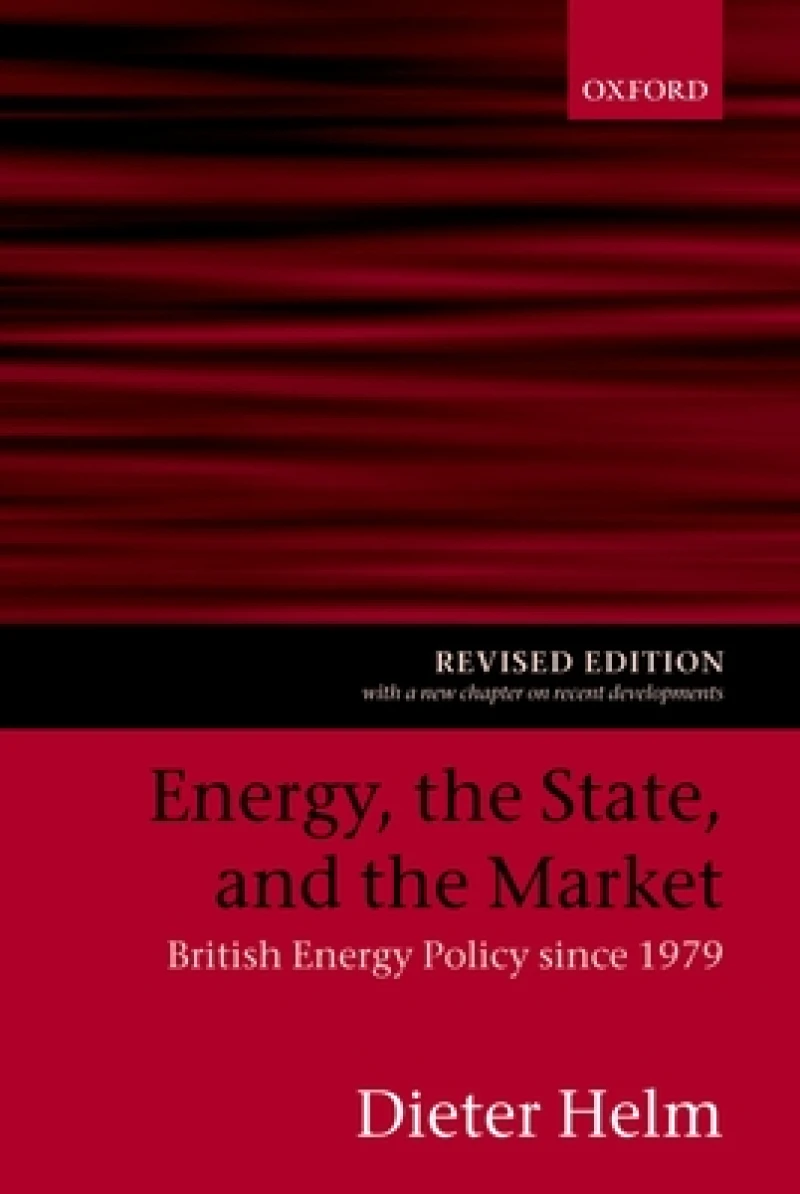
Blends economic analysis with political and historical narrative. This work traces the way in which political pressures from the proponents of both nationalization and privatization, as well as environmentalists, have affected the development of an industry which forms a significant part of the national economy.
The transformation of Britain''s energy policy in the last two decades has been more radical than any such change in developed economies. Since 1979 the great state energy monopolies created after the Second World War have been privatised and made subject to competition. Images of Arthur Scargill and the miners'' strike of the 1980s remain vivid, but what effect has the new market philosophy had on Britain''s energy industries?Since 1979 the National Coal Board, British Gas, and the Central Electricity Generating Board have all been broken up. Energy trading, electricity pools, auctions, and futures markets first developed, but they failed to solve the old energy policy problems of security of supply and network integrity, and the new ones of the environment and reliance on gas. The government introduced a new regulatory regime as a temporary necessity but regulation did not wither away, rather it grew to be more pervasive. Changing the ownership of the industries did not reduce the government''s involvement, it simply changed its form.The 1980s and 1990s were years of energy surpluses and low fossil-fuel prices. There was little need to invest, and much of the investment in the so-called dash for gas was artificially stimulated. The new owners sweated the assets, and engaged in major financial engineering. Takeovers consolidated the industry into a smaller number of dominant firms. As investment priorities became more urgent, with the environmental pressures of climate change and the gradual switch to imported gas, the market philosophy was found wanting. Energy policy could not rely solely on the market. And it is the government which finds itself responsible for resolving the core issues of energy policy. Helm''s book tells this story. It is a major study of the new market approach to energy policy in Britain since 1979. It describes the miners'' strike, the privatisations of the gas, electricity, nuclear generation, and coal industries, and looks at events such as the dash for gas, regulatory failures in setting monopoly prices, and the takeovers and the consolidations of the late 1990s. Helm sets out the achievements of the new market philosophy, but also analyses why it has ultimately failed to turn energy industries into normal commodity businesses.The revised paperback edition includes a new chapter on the White Paper on a low-carbon economy and updated discussions on nuclear power, to incorporate the 2003 Nuclear White Paper, price reviews, and emissions trading.
Get Energy, the State, and the Market by at the best price and quality guaranteed only at Werezi Africa's largest book ecommerce store. The book was published by Oxford University Press and it has pages.

