
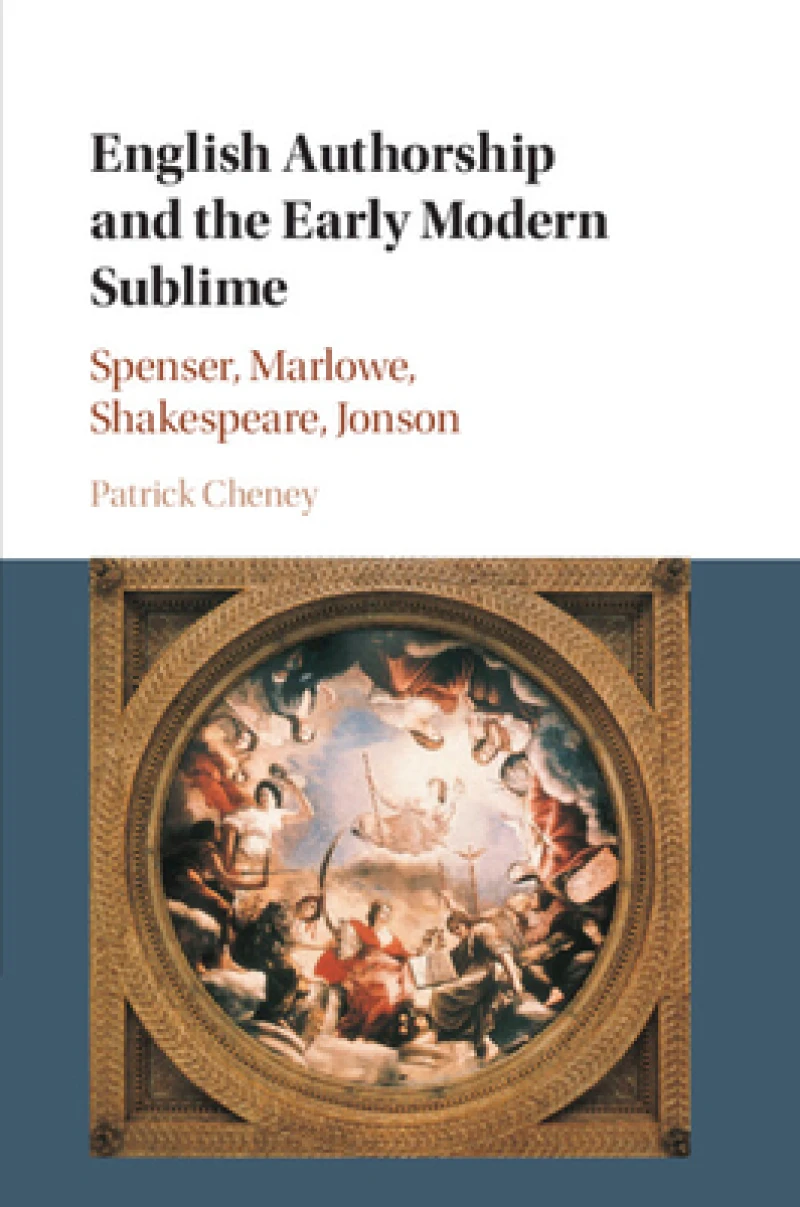
English Authorship and the Early Modern Sublime : Spenser, Marlowe, Shakespeare, Jonson
Book Details
Format
Paperback / Softback
ISBN-10
1107627915
ISBN-13
9781107627918
Publisher
Cambridge University Press
Imprint
Cambridge University Press
Country of Manufacture
GB
Country of Publication
GB
Publication Date
Jun 23rd, 2022
Print length
328 Pages
Weight
478 grams
Dimensions
15.00 x 22.90 x 2.10 cms
Ksh 4,850.00
Manufactured on Demand
0 in stock
Delivery Location
Delivery fee: Select location
Secure
Quality
Fast
Studying the sublime in late sixteenth- and early seventeenth-century writing, this book advances our understanding of Renaissance literature as a field in the arts and humanities today. Above all, the chapters feature a model of creative excellence and social liberty that explains the greatness of the English literary Renaissance.
Patrick Cheney''s new book places the sublime at the heart of poems and plays in late sixteenth- and early seventeenth-century England. Specifically, Cheney argues for the importance of an ''early modern sublime'' to the advent of modern authorship in Spenser, Marlowe, Shakespeare, and Jonson. Chapters feature a model of creative excellence and social liberty that helps explain the greatness of the English Renaissance. Cheney''s argument revises the received wisdom, which locates the sublime in the eighteenth-century philosophical ''subject''. The book demonstrates that canonical works like The Faerie Queene and King Lear reinvent sublimity as a new standard of authorship. This standard emerges not only in rational, patriotic paradigms of classical and Christian goodness but also in the eternizing greatness of the author''s work: free, heightened, ecstatic. Playing a centralizing role in the advent of modern authorship, the early modern sublime becomes a catalyst in the formation of an English canon.
Get English Authorship and the Early Modern Sublime by at the best price and quality guaranteed only at Werezi Africa's largest book ecommerce store. The book was published by Cambridge University Press and it has pages.

