
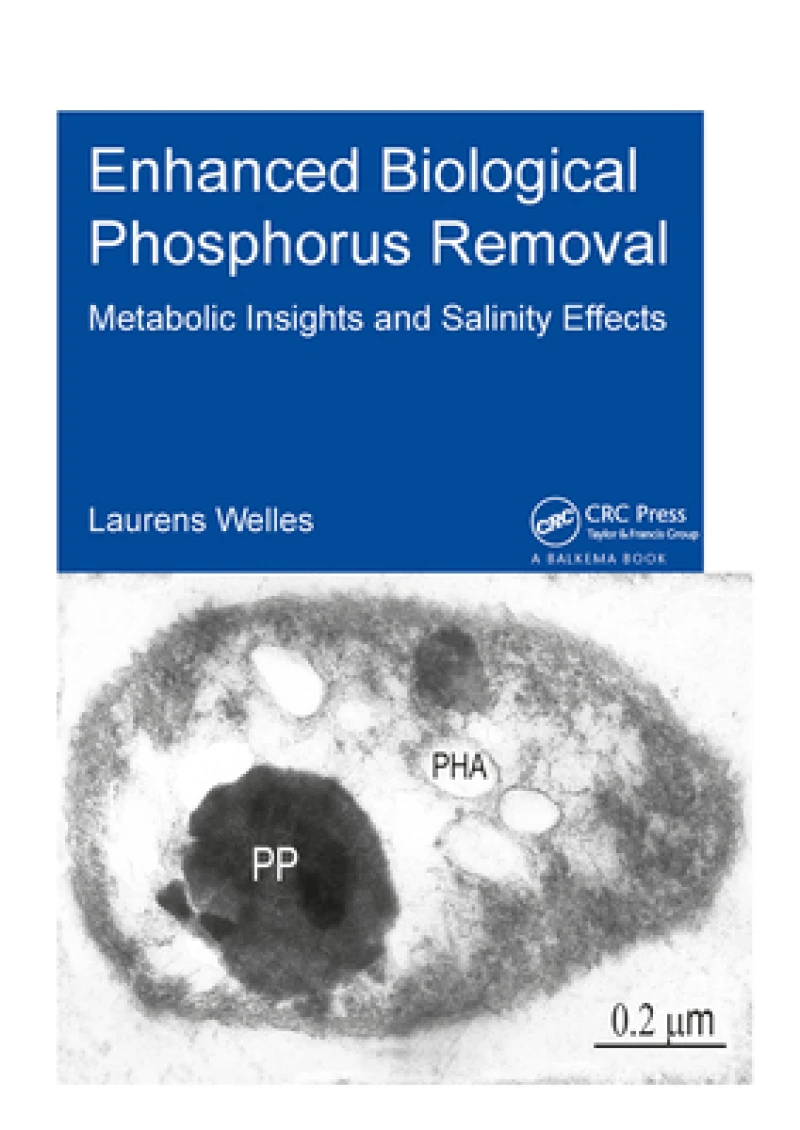
Enhanced Biological Phosphorus Removal : Metabolic Insights and Salinity Effects
Book Details
Delivery Location
Delivery fee: Select location
The Enhanced Biological Phosphorus Removal (EBPR) process is a biological process for efficient phosphate removal from wastewaters through intracellular storage of polyphosphate by Phosphate-Accumulating Organisms (PAO) and subsequent removal through wastage of excess sludge. Although many studies have demonstrated the existence of different PAO clades, the functional differences among these clades and potential implications for the process performance remained unclear. Furthermore, the salinity effects on the EBPR process had not been properly investigated, which is necessary to assess its applicability for the treatment of saline wastewaters.
The first part of the thesis focuses on the functional diversity among PAO clades. It demonstrates significant functional differences in the main characteristics of the anaerobic metabolism of two different PAO clades and provides fundamental insight in the metabolic response of PAO to different influent P/C ratios. In addition, it shows how these functional differences provide competitive advantages to specific PAO clades in a selection study and discusses their potential implications on process performance, in particular for combined biological and chemical systems for nutrient removal and recovery.
The second part of the thesis describes the salinity effects on the metabolism of PAO and their competitors that do not contribute to phosphorus removal; the so-called Glycogen-Accumulating Organisms (GAO). It shows how salinity affects the different metabolic processes (kinetics and stochiometry) of PAO and GAO and provides a model that describes the salinity effects on their kinetic rates. Finally, it discusses the potential implications of sudden saline shocks in wastewater treatment systems that are not regularly exposed to salinity.
Get Enhanced Biological Phosphorus Removal by at the best price and quality guaranteed only at Werezi Africa's largest book ecommerce store. The book was published by Taylor & Francis Ltd and it has pages.

