
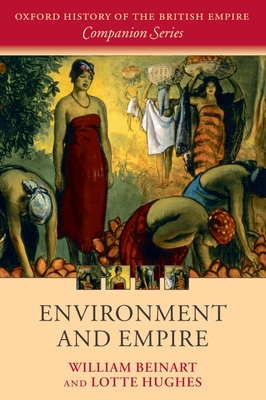
Environment and Empire
Book Details
Format
Paperback / softback
ISBN-10
0199562512
ISBN-13
9780199562510
Publisher
Oxford University Press
Imprint
Oxford University Press
Country of Manufacture
GB
Country of Publication
GB
Publication Date
Apr 2nd, 2009
Print length
416 Pages
Weight
590 grams
Dimensions
23.40 x 15.80 x 2.30 cms
KSh 11,050.00
Currently unavailable
0 in stock
Delivery Location
Delivery fee: Select location
Secure
Quality
Fast
Environment and Empire uncovers the fascinating interaction between people and the elements in very different British colonies throughout the world. Providing a rich overview of socio-environmental change, driven by imperial forces, this fascinating new study examines a key global historical process of the last 500 years.
European imperialism was extraordinarily far-reaching: a key global historical process of the last 500 years. It locked disparate human societies together over a wider area than any previous imperial expansion; it underpinned the repopulation of the Americas and Australasia; it was the precursor of globalization as we now understand it. Imperialism was inseparable from the history of global environmental change. Metropolitan countries sought raw materials of all kinds, from timber and furs to rubber and oil. They established sugar plantations that transformed island ecologies. Settlers introduced new methods of farming and displaced indigenous peoples. Colonial cities, many of which became great conurbations, fundamentally changed relationships between people and nature. Consumer cultures, the internal combustion engine, and pollution are now ubiquitous. Environmental history deals with the reciprocal interaction between people and other elements in the natural world, and this book illustrates the diverse environmental themes in the history of empire. Initially concentrating on the material factors that shaped empire and environmental change, Environment and Empire discusses the way in which British consumers and manufacturers sucked in resources that were gathered, hunted, fished, mined, and farmed. Yet it is also clear that British settler and colonial states sought to regulate the use of natural resources as well as commodify them. Conservation aimed to preserve resources by exclusion, as in wildlife parks and forests, and to guarantee efficient use of soil and water. Exploring these linked themes of exploitation and conservation, this study concludes with a focus on political reassertions by colonised peoples over natural resources. In a post-imperial age, they have found a new voice, reformulating ideas about nature, landscape, and heritage and challenging, at a local and global level, views of who has the right to regulate nature.
Get Environment and Empire by Lotte Hughes, William Beinart at the best price and quality guaranteed only at Werezi Africa's largest book ecommerce store. The book was published by Oxford University Press and it has 416 pages.
Customers Who Bought This Also Bought
A Modern History of the Somali
KSh 5,300.00
Sapiens
KSh 2,350.00

Rise Fall Great Powers
KSh 3,050.00
Legacy of Violence
KSh 3,150.00

Chip War
KSh 2,000.00
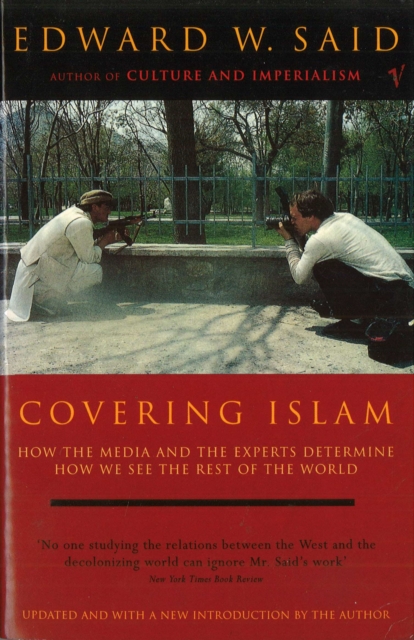
Covering Islam
KSh 2,350.00
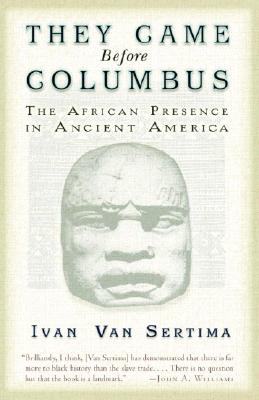
They Came Before Columbus
KSh 3,400.00

Hiroshima
KSh 2,000.00

Guns, Germs and Steel
KSh 2,400.00

Silk Roads
KSh 3,050.00

Empire
KSh 2,700.00
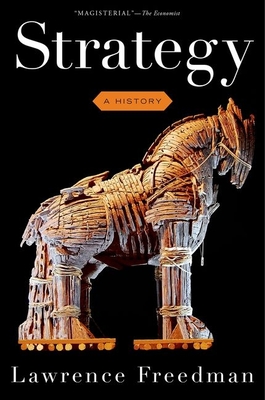
Strategy
KSh 4,350.00
More by Lotte Hughes, William Beinart
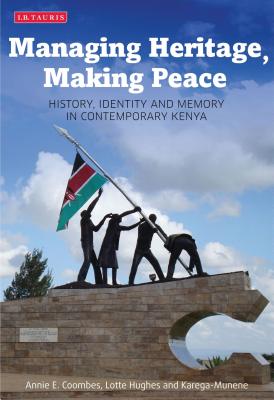
Managing Heritage, Making Peace
KSh 26,950.00
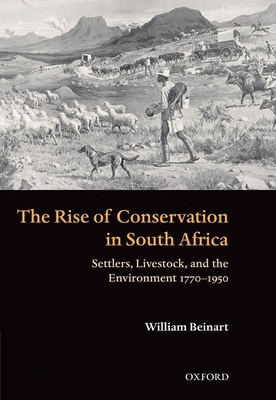
The Rise of Conservation in South Africa
KSh 12,100.00
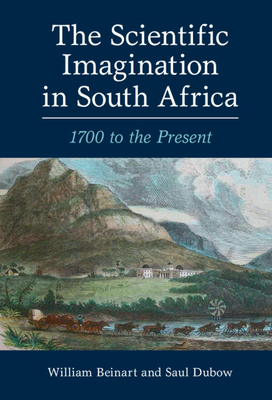
The Scientific Imagination in South Africa
KSh 14,750.00
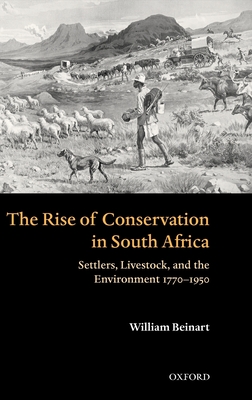
The Rise of Conservation in South Africa
KSh 47,850.00
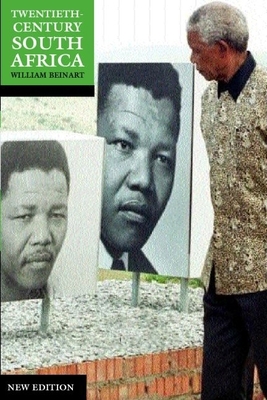
Twentieth-Century South Africa
KSh 3,950.00
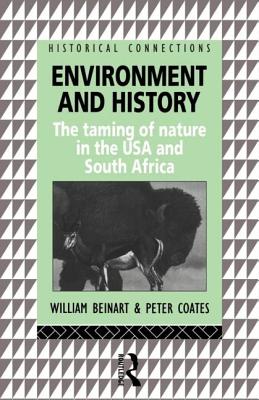
Environment and History
KSh 9,600.00
Rights to land
KSh 3,250.00

Edexcel AS/A Level History, Paper 1&2: Searching for rights and freedoms in the 20th century Student Book + ActiveBook
KSh 9,050.00
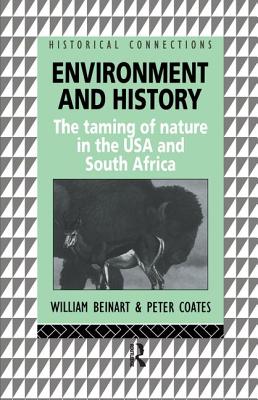
Environment and History
KSh 32,600.00
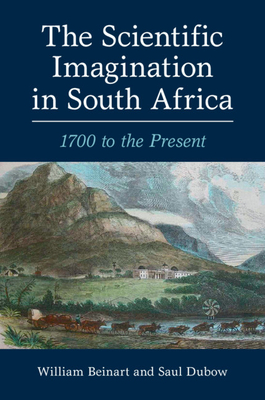
The Scientific Imagination in South Africa
KSh 5,200.00
The Political Economy of Pondoland 1860 1930
KSh 6,150.00
