
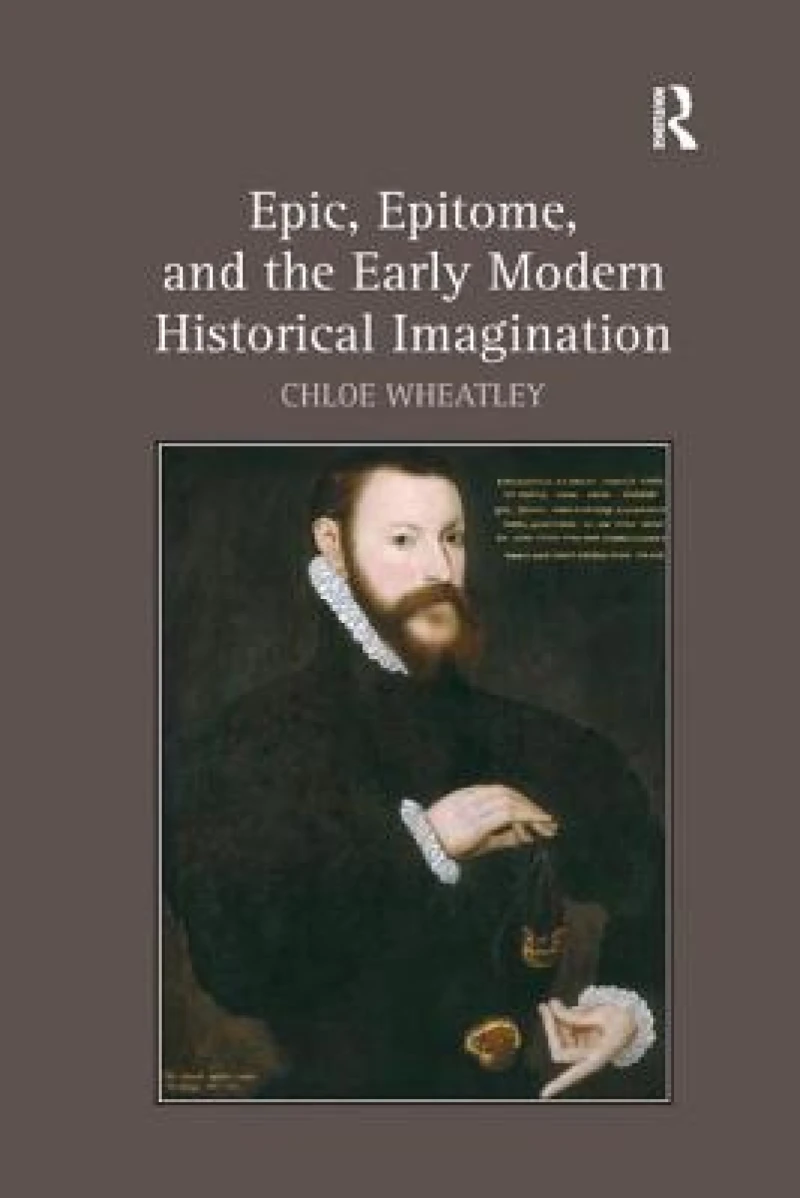
Epic, Epitome, and the Early Modern Historical Imagination
Book Details
Format
Paperback / Softback
ISBN-10
1138262269
ISBN-13
9781138262263
Publisher
Taylor & Francis Ltd
Imprint
Routledge
Country of Manufacture
GB
Country of Publication
GB
Publication Date
Nov 15th, 2016
Print length
158 Pages
Weight
453 grams
Product Classification:
PoetryLiterary studies: generalLiterary studies: c 1500 to c 1800
Ksh 10,800.00
Werezi Extended Catalogue
0 in stock
Delivery Location
Delivery fee: Select location
Secure
Quality
Fast
Through analysis of how English writers summarized and abridged history, Wheatley illuminates the connections between an early modern epitome culture and the historical summaries found in the great narrative poems of Edmund Spenser, Abraham Cowley and John Milton. Clearly and elegantly written, this study shows how poets refined an epic convention, the hero''s confrontation with summaries of past and future in order to reflect trends in early modern history writing.
In early modern England, epitomes-texts promising to pare down, abridge, or sum up the essence of their authoritative sources-provided readers with key historical knowledge without the bulk, expense, or time commitment demanded by greater volumes. Epic poets in turn addressed the habits of reading and thinking that, for better and for worse, were popularized by the publication of predigested works. Analyzing popular texts such as chronicle summaries, abridgements of sacred epic, and abstracts of civil war debate, Chloe Wheatley charts the efflorescence of a lively early modern epitome culture, and demonstrates its impact upon Edmund Spenser''s The Faerie Queene, Abraham Cowley''s Davideis, and John Milton''s Paradise Lost. Clearly and elegantly written, this new study presents fresh insight into how poets adapted an important epic convention-the representation of the hero''s confrontation with summaries of past and future-to reflect contemporary trends in early modern history writing.
Get Epic, Epitome, and the Early Modern Historical Imagination by at the best price and quality guaranteed only at Werezi Africa's largest book ecommerce store. The book was published by Taylor & Francis Ltd and it has pages.

