
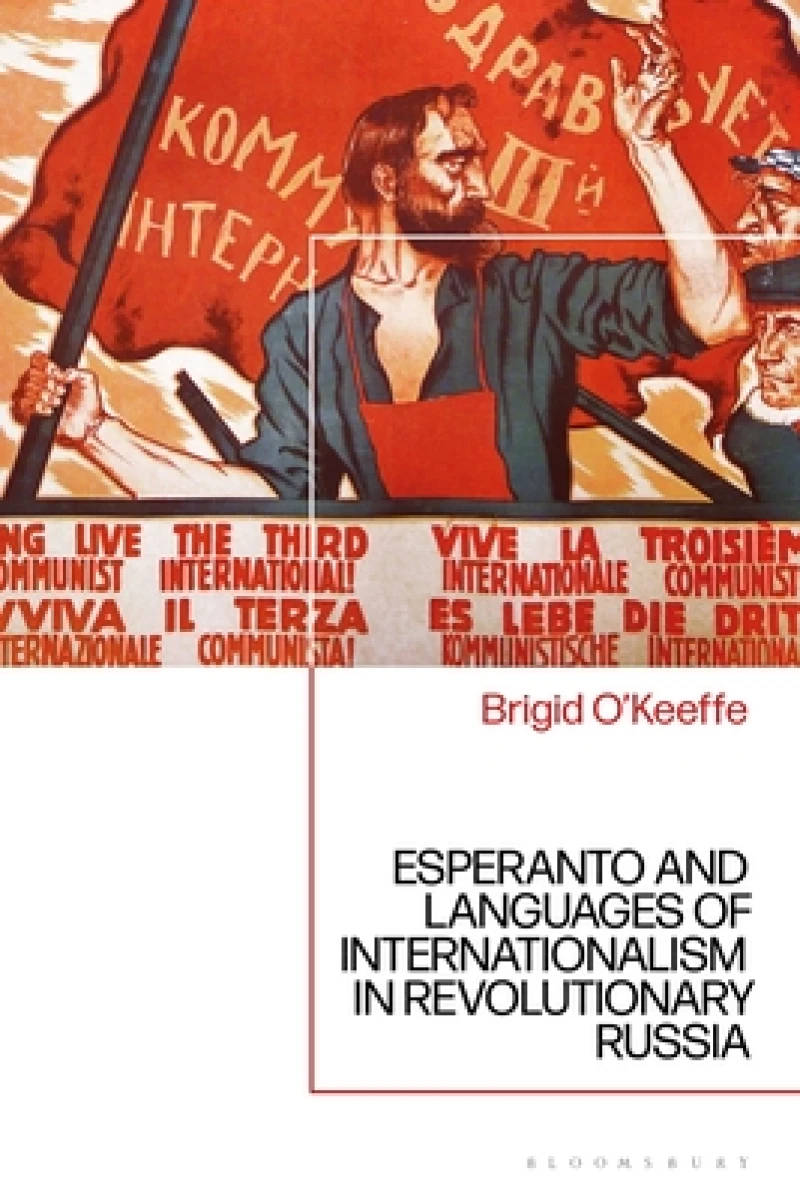
Esperanto and Languages of Internationalism in Revolutionary Russia
Book Details
Format
Paperback / Softback
ISBN-10
1350245186
ISBN-13
9781350245181
Publisher
Bloomsbury Publishing PLC
Imprint
Bloomsbury Academic
Country of Manufacture
GB
Country of Publication
GB
Publication Date
Sep 22nd, 2022
Print length
266 Pages
Weight
426 grams
Dimensions
15.60 x 23.30 x 1.80 cms
Ksh 6,600.00
Manufactured on Demand
0 in stock
Delivery Location
Delivery fee: Select location
Secure
Quality
Fast
Winner of the 2022 Ab Imperio Award
Hoping to unite all of humankind and revolutionize the world, Ludwik Zamenhof launched a new international language called Esperanto from late imperial Russia in 1887. Ordinary men and women in Russia and all over the world soon transformed Esperanto into a global movement. Esperanto and Languages of Internationalism in Revolutionary Russia traces the history and legacy of this effort: from Esperanto''s roots in the social turmoil of the pre-revolutionary Pale of Settlement; to its links to socialist internationalism and Comintern bids for world revolution; and, finally, to the demise of the Soviet Esperanto movement in the increasingly xenophobic Stalinist 1930s. In doing so, this book reveals how Esperanto - and global language politics more broadly - shaped revolutionary and early Soviet Russia.
Based on extensive archival materials, Brigid O''Keeffe''s book provides the first in-depth exploration of Esperanto at grassroots level and sheds new light on a hitherto overlooked area of Russian history. As such, Esperanto and Languages of Internationalism in Revolutionary Russiawill be of immense value to both historians of modern Russia and scholars of internationalism, transnational networks, and sociolinguistics.
Hoping to unite all of humankind and revolutionize the world, Ludwik Zamenhof launched a new international language called Esperanto from late imperial Russia in 1887. Ordinary men and women in Russia and all over the world soon transformed Esperanto into a global movement. Esperanto and Languages of Internationalism in Revolutionary Russia traces the history and legacy of this effort: from Esperanto''s roots in the social turmoil of the pre-revolutionary Pale of Settlement; to its links to socialist internationalism and Comintern bids for world revolution; and, finally, to the demise of the Soviet Esperanto movement in the increasingly xenophobic Stalinist 1930s. In doing so, this book reveals how Esperanto - and global language politics more broadly - shaped revolutionary and early Soviet Russia.
Based on extensive archival materials, Brigid O''Keeffe''s book provides the first in-depth exploration of Esperanto at grassroots level and sheds new light on a hitherto overlooked area of Russian history. As such, Esperanto and Languages of Internationalism in Revolutionary Russiawill be of immense value to both historians of modern Russia and scholars of internationalism, transnational networks, and sociolinguistics.
Get Esperanto and Languages of Internationalism in Revolutionary Russia by at the best price and quality guaranteed only at Werezi Africa's largest book ecommerce store. The book was published by Bloomsbury Publishing PLC and it has pages.

