
Cart 0
Ethnic Boundaries in Turkish Politics
Click to zoom

Share this book

Ethnic Boundaries in Turkish Politics : The Secular Kurdish Movement and Islam

Book Details

Format Hardback or Cased Book
ISBN-10 147988216X
ISBN-13 9781479882168
Publisher New York University Press
Imprint New York University Press
Country of Manufacture GB
Country of Publication GB
Publication Date Sep 4th, 2018
Print length 208 Pages
Weight 494 grams
Dimensions 16.30 x 23.60 x 2.30 cms
Ksh 5,400.00
Temporarily out of stock, due soon 0 in stock

Delivery Location

Delivery fee: Select location

Secure
Quality
Fast
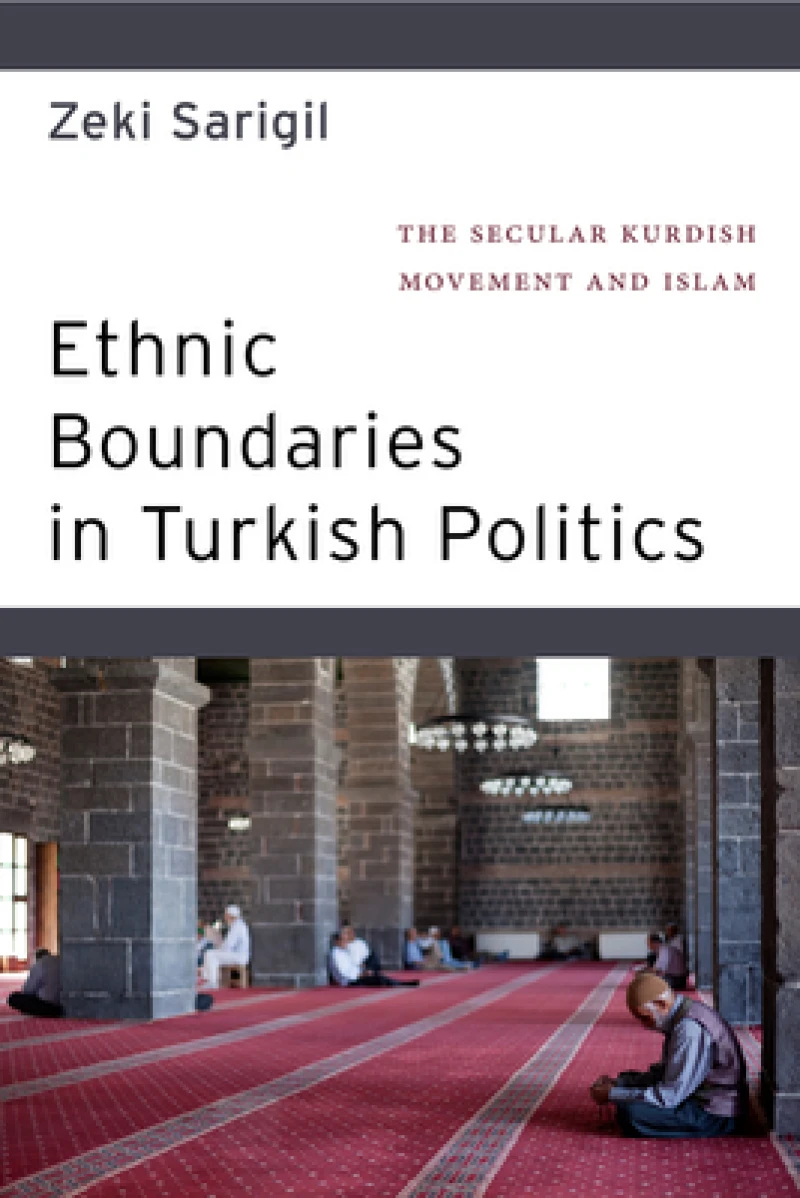
The Kurdish Movement in Turkey's growing alliance with Islam One of the fault lines of Turkish politics traditionally has been the divide between religious and secular movements. However, as Zeki Sarigil argues, the secular Kurdish movement in Turkey has increasingly become aligned with Islam. As a result, Islam has become part of the movement's political discourse, strategies and actions. Ethnic Boundaries in Turkish Politics traces the evolving relations between the leftist, secular Kurdish movement and Islam, from an apathetic and/or antagonistic attitude in the 1970s and 1980s to an increasingly Islam-friendly approach in the 1990s to an attitude of accommodation and the rise of Kurdish-Islamic synthesis in the early 2000s. Based on 104 interviews in several provinces in Turkey (primarily Ankara, Diyarbakir, Istanbul, and Tunceli) between 2011 and 2015 as well as ethnographic data, public opinion surveys and statements from the Kurdistan Workers' Party (PKK) and Kurdish leaders, Sarigil shows how the secular Kurdish movement increasingly has been endorsing Islam and Islamic actors. The reasons for this Islamic opening are global, national, and local; Sarigil demonstrates that a group of strategic and ideological factors have encouraged and/or forced Kurdish leaders to redraw symbolic and social boundaries of the movement. Namely, with the end of the Cold War support for Marxist ideas collapsed, creating increasingly more favorable responses towards religion. In addition, the movement's need to expand its social basis and popularity; electoral politics; and legitimacy struggles against rival political actors were other major factors, which triggered the Kurdish movement's boundary expansion (i.e. its Islamic opening). The study also shows that the Kurdish boundary making was not without any tension or contestation. The boundary expansion by Kurdish ethnopolitical elites triggered both internal and external boundary contestations. The movement's embrace of Islam on a more widespread level has major ramifications for politics in Turkey and in the region. Ethnic Boundaries in Turkish Politics has important insight into the PKK, modern Turkish and Islamic societies and highlights the increasing role of Islam in global politics.

The Kurdish Movement in Turkey''s growing alliance with Islam
One of the fault lines of Turkish politics traditionally has been the divide between religious and secular movements. However, as Zeki Sarigil argues, the secular Kurdish movement in Turkey has increasingly become aligned with Islam. As a result, Islam has become part of the movement''s political discourse, strategies and actions.
Ethnic Boundaries in Turkish Politics traces the evolving relations between the leftist, secular Kurdish movement and Islam, from an apathetic and/or antagonistic attitude in the 1970s and 1980s to an increasingly Islam-friendly approach in the 1990s to an attitude of accommodation and the rise of Kurdish-Islamic synthesis in the early 2000s. Based on 104 interviews in several provinces in Turkey (primarily Ankara, Diyarbakir, Istanbul, and Tunceli) between 2011 and 2015 as well as ethnographic data, public opinion surveys and statements from the Kurdistan Workers'' Party (PKK) and Kurdish leaders, Sarigil shows how the secular Kurdish movement increasingly has been endorsing Islam and Islamic actors. The reasons for this Islamic opening are global, national, and local; Sarigil demonstrates that a group of strategic and ideological factors have encouraged and/or forced Kurdish leaders to redraw symbolic and social boundaries of the movement. Namely, with the end of the Cold War support for Marxist ideas collapsed, creating increasingly more favorable responses towards religion. In addition, the movement''s need to expand its social basis and popularity; electoral politics; and legitimacy struggles against rival political actors were other major factors, which triggered the Kurdish movement''s boundary expansion (i.e. its Islamic opening). The study also shows that the Kurdish boundary making was not without any tension or contestation. The boundary expansion by Kurdish ethnopolitical elites triggered both internal and external boundary contestations.
The movement''s embrace of Islam on a more widespread level has major ramifications for politics in Turkey and in the region. Ethnic Boundaries in Turkish Politics has important insight into the PKK, modern Turkish and Islamic societies and highlights the increasing role of Islam in global politics.


Get Ethnic Boundaries in Turkish Politics by at the best price and quality guaranteed only at Werezi Africa's largest book ecommerce store. The book was published by New York University Press and it has pages.


Mind, Body, & Spirit

Shopping Cart

Africa largest book store

Sub Total:
Ebooks

Digital Library
Coming Soon

Our digital collection is currently being curated to ensure the best possible reading experience on Werezi. We'll be launching our Ebooks platform shortly.