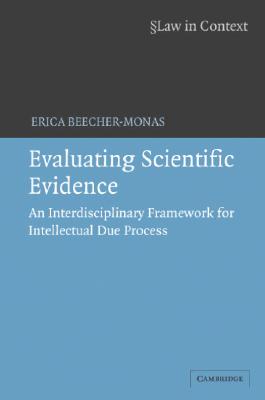
Evaluating Scientific Evidence : An Interdisciplinary Framework for Intellectual Due Process
Book Details
Format
Hardback
Book Series
Law in Context
ISBN-10
0521859271
ISBN-13
9780521859271
Publisher
Cambridge University Press
Imprint
Cambridge University Press
Country of Manufacture
US
Country of Publication
GB
Publication Date
Nov 20th, 2006
Print length
270 Pages
Weight
486 grams
Dimensions
16.00 x 23.80 x 2.90 cms
Product Classification:
Law
KSh 11,700.00
Publisher Out of Stock
0 in stock
Delivery Location
Delivery fee: Select location
Secure
Quality
Fast
This book examines scientific evidence in both civil and criminal contexts.
Scientific evidence is crucial in a burgeoning number of litigated cases, legislative enactments, regulatory decisions, and scholarly arguments. Evaluating Scientific Evidence explores the question of what counts as scientific knowledge, a question that has become a focus of heated courtroom and scholarly debate, not only in the United States, but in other common law countries such as the United Kingdom, Canada and Australia. Controversies are rife over what is permissible use of genetic information, whether chemical exposure causes disease, whether future dangerousness of violent or sexual offenders can be predicted, whether such time-honored methods of criminal identification (such as microscopic hair analysis, for example) have any better foundation than ancient divination rituals, among other important topics. This book examines the process of evaluating scientific evidence in both civil and criminal contexts, and explains how decisions by nonscientists that embody scientific knowledge can be improved.
Get Evaluating Scientific Evidence by Erica Beecher-Monas at the best price and quality guaranteed only at Werezi Africa's largest book ecommerce store. The book was published by Cambridge University Press and it has 270 pages.
Customers Who Bought This Also Bought
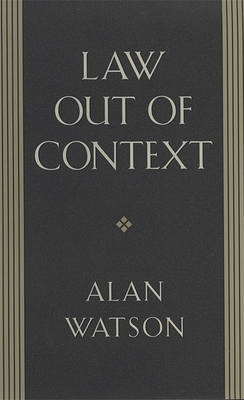
Law Out of Context
KSh 5,400.00

Coca Prohibition in Peru
KSh 6,850.00
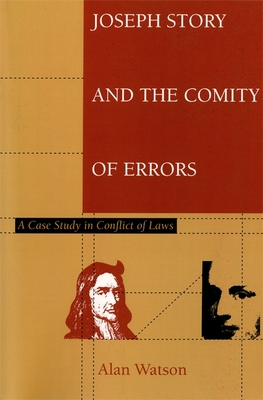
Joseph Story and the Comity of Errors – A Case Study in Conflict of Laws
KSh 4,500.00
The Evidential Foundations of Probalistic Reasoning
KSh 6,850.00

Foreigners
KSh 30,950.00

Transformation of Economic Law
KSh 27,250.00
Making Legal History
KSh 19,600.00

Human Rights, State Compliance, and Social Change
KSh 11,350.00

The Law of Development Cooperation
KSh 18,900.00

Law Express: Employment Law
KSh 3,150.00

Law and Development and the Global Discourses of Legal Transfers
KSh 20,900.00

The Microfoundations of Diaspora Politics
KSh 30,950.00