
Search

Categories

    • categories-img Jacket, Women
    • categories-img Woolend Jacket
    • categories-img Western denim
    • categories-img Mini Dresss
    • categories-img Jacket, Women
    • categories-img Woolend Jacket
    • categories-img Western denim
    • categories-img Mini Dresss
    • categories-img Jacket, Women
    • categories-img Woolend Jacket
    • categories-img Western denim
    • categories-img Mini Dresss
    • categories-img Jacket, Women
    • categories-img Woolend Jacket
    • categories-img Western denim
    • categories-img Mini Dresss
    • categories-img Jacket, Women
    • categories-img Woolend Jacket
    • categories-img Western denim
    • categories-img Mini Dresss

Filter By Price

$
-
$

Dietary Needs

Top Rated Product

product-img product-img

Modern Chair

$165.00
product-img product-img

Plastic Chair

$165.00
product-img product-img

Design Rooms

$165.00

Brands

  • Wooden
  • Chair
  • Modern
  • Fabric
  • Shoulder
  • Winter
  • Accessories
  • Dress

Welcome and thank you for visiting us. For any query call us on 0799 626 359 or Email [email protected]

Offcanvas Menu Open

Shopping Cart

Africa largest book store

Sub Total:

Search for any Title

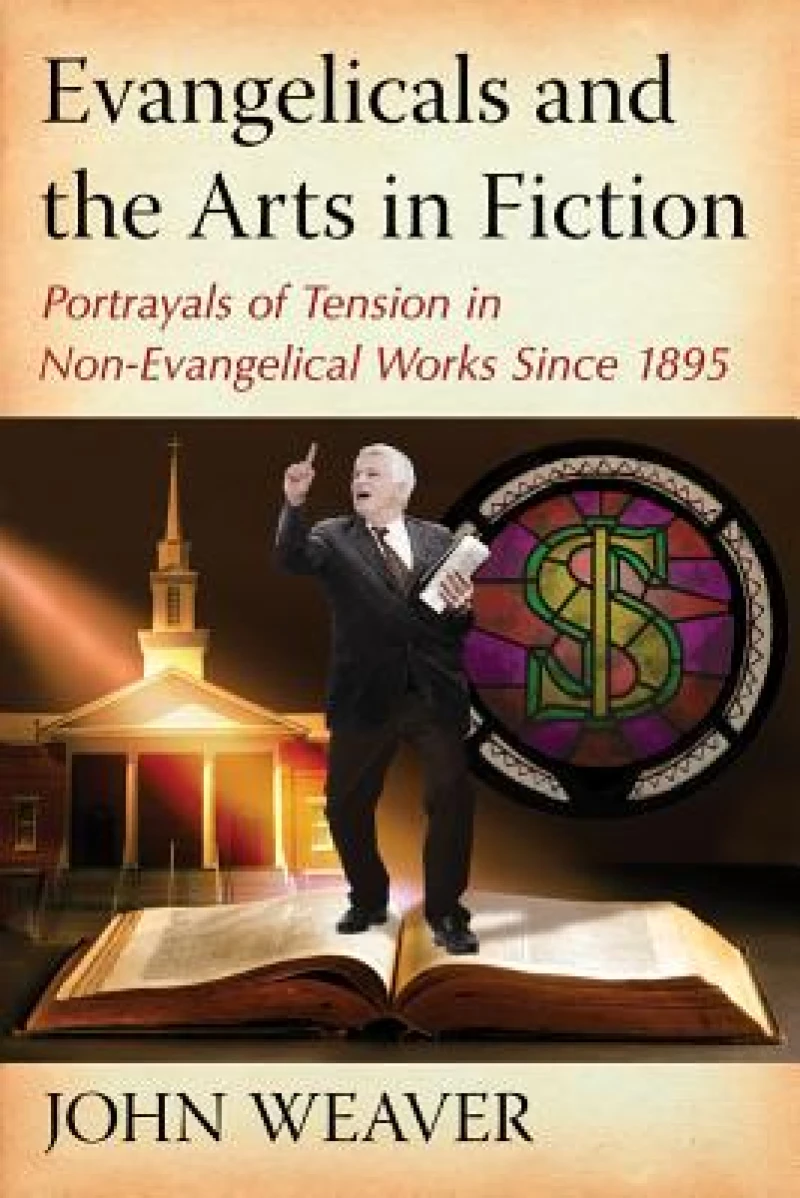
Evangelicals and the Arts in Fiction : Portrayals of Tension in Non-Evangelical Works Since 1895

By: (Author) John Weaver

Werezi Extended Catalogue
Delivery in 24 days

Ksh 5,400.00

Format: Paperback / Softback

ISBN-10: 0786472065

ISBN-13: 9780786472062

Publisher: McFarland & Co Inc

Imprint: McFarland & Co Inc

Country of Manufacture: US

Country of Publication: GB

Publication Date: Apr 19th, 2013

Print length: 224 Pages

Weight: 299 grams

Dimensions (height x width x thickness): 22.90 x 15.20 x 1.10 cms

Choose your Location

Shipping & Delivery

Door Delivery

Delivery fee

Delivery in 24 days

  • Description

  • Reviews

This book is an exploration of how the relationship of evangelicals to the arts has been portrayed in fiction for the last century. The author argues that evangelicals are consistently seen as enemies of the arts by non-evangelical writers. The artist (typically represented by a literal artist, occasionally by a scientist or reluctant messiah) typically has to fight for liberation from such cliched character types as the failed evangelical artist, the rube or the hypocritical pastor. Rather than resist the cliche of anti-art evangelicalism, the book contends that evangelicals should embrace it: this stereotype is only hurtful so long as one assumes that the arts represent a positive force in human society. This work, built off the scholarship of John Carey, does not make that assumption. Surveying the current pro-artistic views of most evangelicals, the author advances the argument that evangelicals need to return to their anti-art roots. By doing so they would align themselves with the most radical artistic elements of modernism rather than with the classicists that the movement currently seems to prefer, and provide space for themselves to critique how secular artistic stereotypes of evangelicals have economically and artistically marginalized the evangelicals' community.

This book is an exploration of how the relationship of evangelicals to the arts has been portrayed in fiction for the last century. The author argues that evangelicals are consistently seen as enemies of the arts by non-evangelical writers. The artist (typically represented by a literal artist, occasionally by a scientist or reluctant messiah) typically has to fight for liberation from such cliched character types as the failed evangelical artist, the rube or the hypocritical pastor. Rather than resist the cliche of anti-art evangelicalism, the book contends that evangelicals should embrace it: this stereotype is only hurtful so long as one assumes that the arts represent a positive force in human society. This work, built off the scholarship of John Carey, does not make that assumption.

Surveying the current pro-artistic views of most evangelicals, the author advances the argument that evangelicals need to return to their anti-art roots. By doing so they would align themselves with the most radical artistic elements of modernism rather than with the classicists that the movement currently seems to prefer, and provide space for themselves to critique how secular artistic stereotypes of evangelicals have economically and artistically marginalized the evangelicals'' community.


Get Evangelicals and the Arts in Fiction by at the best price and quality guranteed only at Werezi Africa largest book ecommerce store. The book was published by McFarland & Co Inc and it has pages. Enjoy Shopping Best Offers & Deals on books Online from Werezi - Receive at your doorstep - Fast Delivery - Secure mode of Payment

Customer Reviews

Based on 0 reviews

Mind, Body, & Spirit
