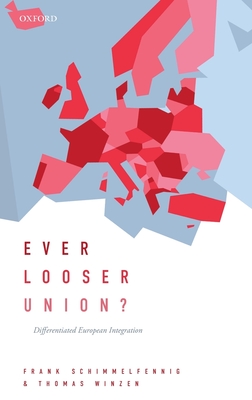
Ever Looser Union? : Differentiated European Integration
Book Details
Format
Hardback
ISBN-10
0198854331
ISBN-13
9780198854333
Publisher
Oxford University Press
Imprint
Oxford University Press
Country of Manufacture
GB
Country of Publication
GB
Publication Date
Feb 21st, 2020
Print length
248 Pages
Weight
516 grams
Dimensions
16.10 x 24.00 x 2.20 cms
Product Classification:
Political science & theoryEU & European institutions
KSh 18,050.00
Temporarily out of stock, due soon
0 in stock
Delivery Location
Delivery fee: Select location
Secure
Quality
Fast
This book offers a comprehensive account and assessment of differentiation in European integration, including an analysis of differentiation in EU enlargement, the Eurozone crisis, Brexit, and the selective integration of non-member states.
Differentiated integration has become a durable feature of the European Union and is a major alternative for its future development and reform. This book provides a comprehensive conceptual, theoretical, and empirical analysis of differentiation in European integration. It explains differentiation in EU treaties and legislation in general and offers specific accounts of differentiation in the recent enlargements of the EU, the Eurozone crisis, the Brexit negotiations, and the integration of non-member states. Ever Looser Union? introduces differentiated integration as a legal instrument that European governments use regularly to overcome integration deadlock in EU treaty negotiations and legislation. Differentiated integration follows two main logics. Instrumental differentiation adjusts integration to the heterogeneity of economic preferences and capacities, particularly in the context of enlargement. By contrast, constitutional differentiation accommodates concerns about national self-determination. Whereas instrumental differentiation mainly affects poorer (new) member states, constitutional differentiation offers wealthier and nationally oriented member states opt-outs from the integration of core state powers. The book shows that differentiated integration has facilitated the integration of new policies, new members, and even non-members. It has been mainly ''multi-speed'' and inclusive. Most differentiations end after a few years and do not discriminate against member states permanently. Yet differentiation is less suitable for reforming established policies, managing disintegration and fostering solidarity, and the path-dependency of core state power integration may lead to permanent divides in the Union.
Get Ever Looser Union? by Frank Schimmelfennig, Thomas Winzen at the best price and quality guaranteed only at Werezi Africa's largest book ecommerce store. The book was published by Oxford University Press and it has 248 pages.
Customers Who Bought This Also Bought
Message
KSh 3,400.00
Corruptible
KSh 2,350.00

On War
KSh 1,200.00

Abundance
KSh 2,150.00
The Republic
KSh 2,350.00
What Happened to Liberal Democracy?
KSh 3,050.00

Pedagogy of the Oppressed
KSh 2,000.00

Great Ideas Social Contract
KSh 1,450.00

Fire Next Time; Nobody Knows My Name ; No Name In The Street; The Devil Finds Work
KSh 3,400.00
The Body Politic
KSh 700.00
The Prince The Original Classic
KSh 2,150.00
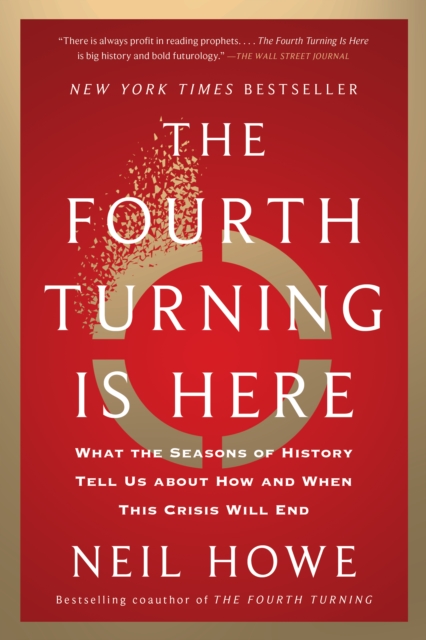
The Fourth Turning Is Here
KSh 2,600.00