
Book Details
Format
Hardback or Cased Book
ISBN-10
1903378761
ISBN-13
9781903378762
Edition
New
Publisher
TFM Publishing Ltd
Imprint
TFM Publishing Ltd
Country of Manufacture
GB
Country of Publication
GB
Publication Date
Jun 16th, 2011
Print length
344 Pages
Weight
1,156 grams
Dimensions
25.10 x 18.00 x 2.90 cms
Product Classification:
Neurology & clinical neurophysiology
Ksh 9,000.00
Werezi Extended Catalogue
0 in stock
Delivery Location
Delivery fee: Select location
Secure
Quality
Fast
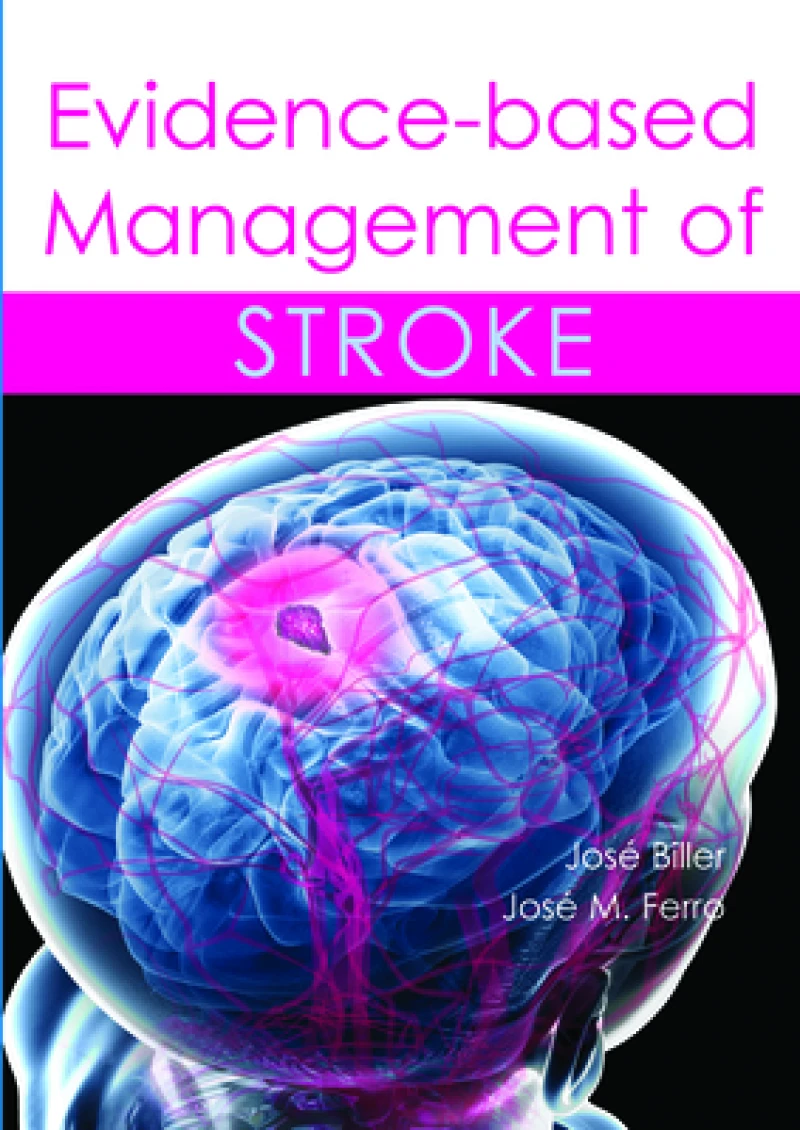
Over five million people die from stroke each year. We now know that speed of intervention is critical and patient outcomes are determined by a very narrow therapeutic window, during which physicians need to be able to make their choice of treatment rapidly, based on the best evidence available. This book intends to review that evidence.
Over five million people die from stroke each year. Stroke is also the leading cause of adult disability, affecting over 20 million people world-wide, with two-thirds of stroke victims left permanently disabled. We now know that speed of intervention is critical and patient outcomes are determined by a very narrow therapeutic window, during which physicians need to be able to make their choice of treatment rapidly, based on the best evidence available. The purpose of this book is to review that evidence, for both medical and surgical therapies as well as preventative strategies, drawing on the expertise of leading international authorities to distinguish the issues for which there is a consensus on best practice from those for which the evidence remains inconclusive. For example, for patients with acute ischemic stroke the first choice is intravenous thrombolytic therapy, but does a treatment window of 0-3 hours deliver outcomes significantly better than one of 3-4.5 hours? Arterial hypertension is the single most important modifiable risk factor for ischemic stroke, but what are the effects of blood pressure reduction among acute stroke patients? How effective is blood pressure lowering in primary intracerebral hemorrhage? What are the arguments in favour of continuation versus temporary discontinuation of anti-hypertensive therapy immediately after acute ischemic stroke? Endovascular procedures (carotid angioplasty/stenting) are increasingly important but what do the data tell us about their safety? Or durability? How do they compare with carotid endarterectomy? The management of unruptured intracranial aneurysms is rife with controversies; clip, coil, wait and watch? The authors examine the evidence for and against. Other sections examine the impact of various risk factors, and special populations. A section on stroke after cardiovascular surgeries reviews the incidence and management of stroke following a whole range of procedures including coronary artery bypass grafting, valve replacement surgery, congenital heart disease treatment, aortic surgery, cardiac transplantation and post-carotid endarterectomy. Another examines special risks during pregnancy. Lastly, the book reviews our understanding of childhood stroke -- perinatal, infants and older children, adolescents and young adults - and presents current best practice recommendations for this most challenging group of patients.
Get Evidence-based Management of Stroke by at the best price and quality guaranteed only at Werezi Africa's largest book ecommerce store. The book was published by TFM Publishing Ltd and it has pages.

