
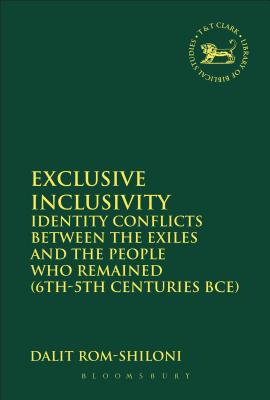
Exclusive Inclusivity : Identity Conflicts between the Exiles and the People who Remained (6th-5th Centuries BCE)
Book Details
Format
Paperback / softback
ISBN-10
0567661504
ISBN-13
9780567661500
Publisher
Bloomsbury Publishing PLC
Imprint
T.& T.Clark Ltd
Country of Manufacture
GB
Country of Publication
GB
Publication Date
Jan 29th, 2015
Print length
256 Pages
Weight
482 grams
Dimensions
15.80 x 23.40 x 1.80 cms
Product Classification:
Judaism: sacred textsJudaism: sacred texts and revered writings
KSh 8,000.00
Currently unavailable
0 in stock
Delivery Location
Delivery fee: Select location
Secure
Quality
Fast
Using social psychology categories of ethnicity and group-identity, Exclusive Inclusivity explores these internal polemics through the phenomenon of exclusivity, its characteristics and traits.
The sixth and fifth centuries BCE were a time of constant re-identifications within Judean communities, both in exile and in the land; it was a time when Babylonian exilic ideologies captured a central position in Judean (Jewish) history and literature at the expense of silencing the voices of any other Judean communities.
Proceeding from the later biblical evidence to the earlier, from the Persian period sources (Ezra-Nehemiah, Haggai, Zechariah, and Deutero-Isaiah) to the Neo-Babylonian prophecy of Ezekiel and Jeremiah, Exclusive Inclusivity explores the ideological transformations within these writings using the sociological rubric of exclusivity. Social psychology categories of ethnicity and group identity provide the analytical framework to clarify that Ezekiel, the prophet of the Jehoiachin Exiles, was the earliest constructor of these exclusive ideologies. Thus, already from the Neo-Babylonian period, definitions of otherness were being set to shape the self-understanding of each of the post-586 communities, in Judah (Yehud) and in the Babylonian Diaspora, as the exclusive People of God. As each community reidentified itself as the in-group, arguments of otherness were adduced to diregard and delegitimize the sister community. The polemics against "foreigners" in the Persian period literature are the ideological successors to the earlier ideological conflict.
Proceeding from the later biblical evidence to the earlier, from the Persian period sources (Ezra-Nehemiah, Haggai, Zechariah, and Deutero-Isaiah) to the Neo-Babylonian prophecy of Ezekiel and Jeremiah, Exclusive Inclusivity explores the ideological transformations within these writings using the sociological rubric of exclusivity. Social psychology categories of ethnicity and group identity provide the analytical framework to clarify that Ezekiel, the prophet of the Jehoiachin Exiles, was the earliest constructor of these exclusive ideologies. Thus, already from the Neo-Babylonian period, definitions of otherness were being set to shape the self-understanding of each of the post-586 communities, in Judah (Yehud) and in the Babylonian Diaspora, as the exclusive People of God. As each community reidentified itself as the in-group, arguments of otherness were adduced to diregard and delegitimize the sister community. The polemics against "foreigners" in the Persian period literature are the ideological successors to the earlier ideological conflict.
Get Exclusive Inclusivity by Dr. Dalit Rom-Shiloni at the best price and quality guaranteed only at Werezi Africa's largest book ecommerce store. The book was published by Bloomsbury Publishing PLC and it has 256 pages.
Customers Who Bought This Also Bought
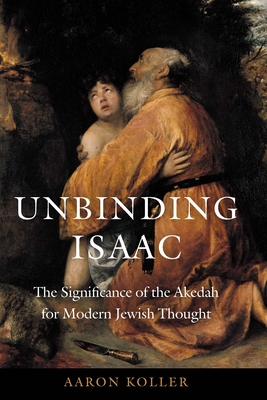
Unbinding Isaac – The Significance of the Akedah for Modern Jewish Thought
KSh 5,750.00

The Eternal Covenant in the Hebrew Bible and Beyond
KSh 12,650.00
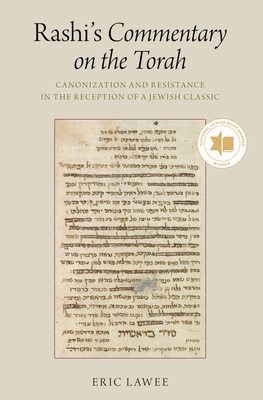
Rashi''s Commentary on the Torah
KSh 6,400.00
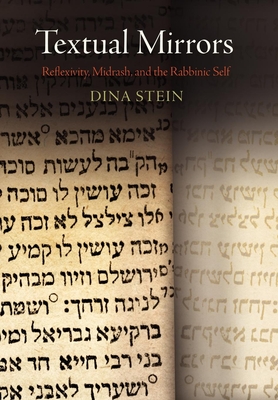
Textual Mirrors
KSh 12,250.00
The Wisdom of Judaism
KSh 3,600.00

Biblical Tree Imagery in Natural and Human Contexts
KSh 16,750.00

Religion and Apuleius'' Golden Ass
KSh 26,300.00

Ancient Near Eastern Iconography and the Bible
KSh 6,150.00

Education in Religious Contexts of Late Antiquity
KSh 3,250.00

Spinoza and the Medieval Jewish Philosophers
KSh 3,250.00

Interpreting the Bible and the Qur'an Through Love
KSh 6,100.00
The Rewritten Joshua Scrolls from Qumran
KSh 22,850.00
More in This Genre
Unbinding Isaac – The Significance of the Akedah for Modern Jewish Thought
KSh 5,750.00
The Eternal Covenant in the Hebrew Bible and Beyond
KSh 12,650.00
Rashi''s Commentary on the Torah
KSh 6,400.00
Textual Mirrors
KSh 12,250.00
The Wisdom of Judaism
KSh 3,600.00
Biblical Tree Imagery in Natural and Human Contexts
KSh 16,750.00
