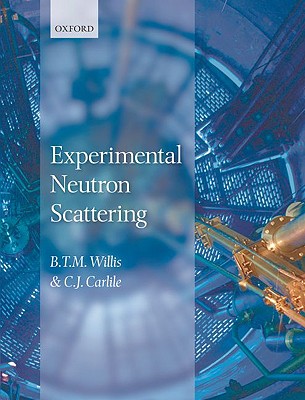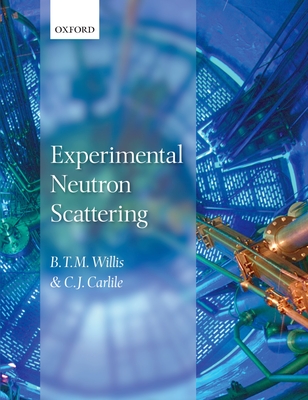
Experimental Neutron Scattering
Book Details
Format
Paperback / softback
ISBN-10
0199673772
ISBN-13
9780199673773
Publisher
Oxford University Press
Imprint
Oxford University Press
Country of Manufacture
GB
Country of Publication
GB
Publication Date
Jul 4th, 2013
Print length
338 Pages
Weight
630 grams
Dimensions
24.60 x 19.20 x 1.70 cms
KSh 11,700.00
Currently unavailable
0 in stock
Delivery Location
Delivery fee: Select location
Secure
Quality
Fast
This book provides a broad survey of the work carried out by scientists at neutron centres around the world, which provide the facilities for generating intense beams of neutrons.These beams are essential in investigating the atomic structures of a wide range of materials such as magnetic alloys, superconductors, polymers, or proteins.
The first systematic experiments in neutron scattering were carried out in the late 1940s using fission reactors built for the nuclear power programme. Crystallographers were amongst the first to exploit the new technique, but they were soon followed by condensed matter physicists and chemists. Engineers and biologists are the most recent recruits to the club of neutron users. The aim of the book is to provide a broad survey of the experimental activities of all these users. There are many specialist monographs describing particular examples of the application of neutron scattering: fifteen of such monographs have been published already in the Oxford University Press series edited by S. Lovesey and E. Mitchell. However this book will appeal to newcomers to the field of neutron scattering, who may be intimidated by the bewildering array of instruments at central facilities (such as the Institut Laue Langevin in France, the ISIS Laboratory in the UK, or the PSI Laboratory in Switzerland), and who may be uncertain as to which instrument to use.
Get Experimental Neutron Scattering by B. T. M. Willis, C. J. Carlile at the best price and quality guaranteed only at Werezi Africa's largest book ecommerce store. The book was published by Oxford University Press and it has 338 pages.
Customers Who Bought This Also Bought

Seven Brief Lessons on Physics
KSh 2,350.00
Order of Time
KSh 2,350.00
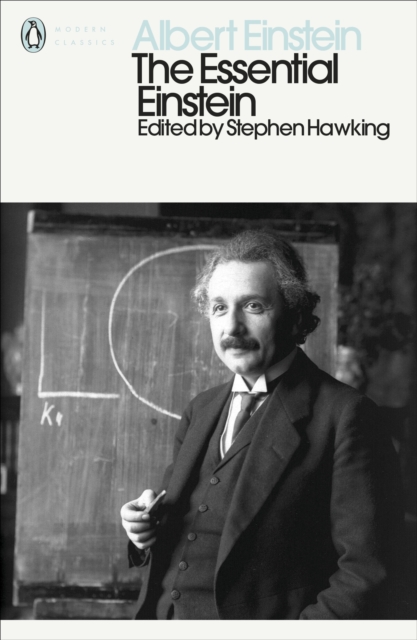
Essential Einstein
KSh 2,700.00
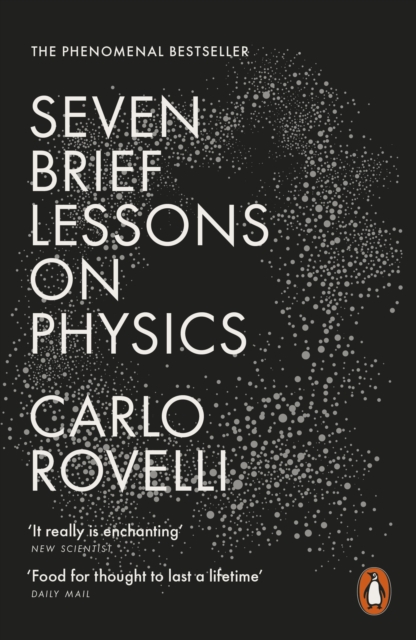
Seven Brief Lessons on Physics
KSh 1,800.00
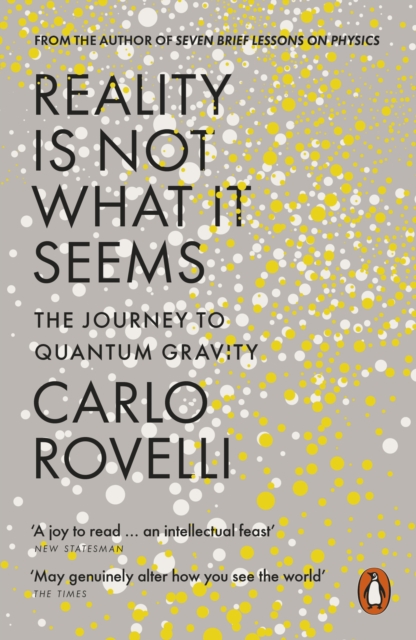
Reality Is Not What It Seems
KSh 2,350.00

Einstein
KSh 2,000.00
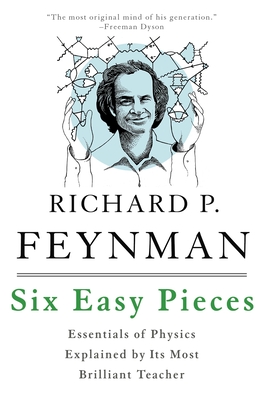
Six Easy Pieces
KSh 2,700.00

Short History of Nearly Everything
KSh 2,350.00

Pearson Edexcel International AS Level Physics Student Book
KSh 8,050.00

Pearson Edexcel International A Level Physics Student Book
KSh 7,950.00

Character of Physical Law
KSh 2,350.00
Cambridge IGCSE® & O Level Complete Physics: Student Book Fourth Edition
KSh 6,750.00